
Transforming the Future of the Travel Industry
Dubai, United Arab Emirates, 15 September 2026 – As the travel industry gears up for its next growth stage, industry leaders emphasize the critical role of technology, talent, and an unwavering commitment to customer satisfaction. These insights were shared during the recent Arabian Travel Market (ATM) 2026, where key players gathered to discuss strategies for future preparedness.
The Future of Travel: Insights from Leaders
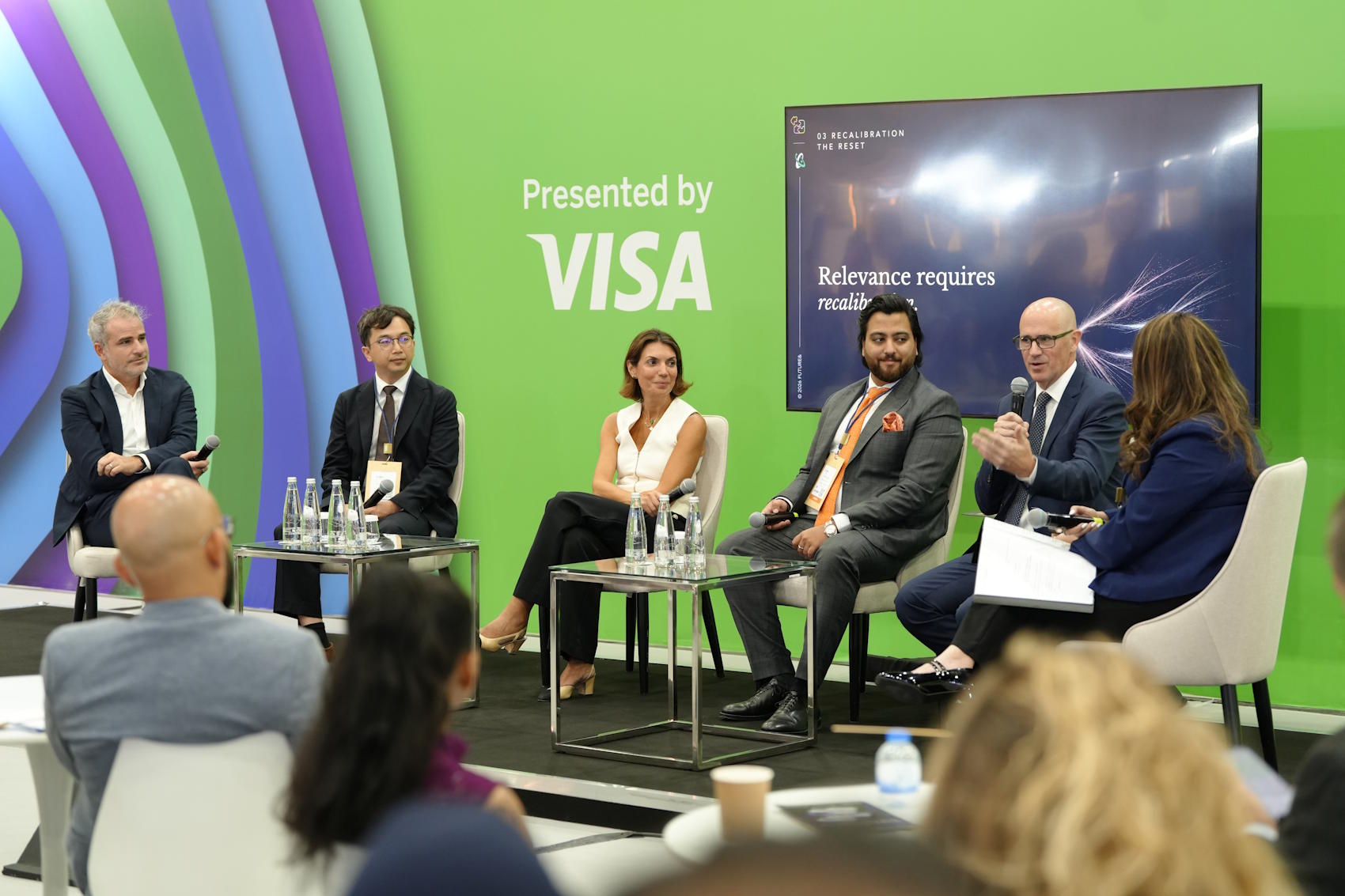
The executive roundtable, titled “From Rebound to Readiness: Shaping What’s Next Across the Travel Ecosystem,” was hosted by FUTURE& at the ATM Experience Hub. The event brought together influential figures from various sectors including travel destinations, hospitality, technology, and digital payment systems. This collaboration allowed for a rich exchange of ideas aimed at enhancing organizational readiness for future challenges.
Moderated by Sita Sahu, CEO and Founder of FUTURE&, the roundtable featured notable leaders such as Liam Findlay, CEO of Miral Destinations, Pratik Kachroo, Executive Director of Khamas Hospitality, Leon Li from Alibaba Fliggy, Anthony Nakache, Managing Director MENA at Google, and Maha Nizam, Head of GCC Marketing at Visa. Together, they highlighted shifting traveler preferences and the growing need for integrated and personalized experiences throughout the travel journey.
Rising Expectations of Travelers
The roundtable discussions underscored the evolving expectations of today’s travelers. Anthony Nakache pointed out that consumers desire seamless planning, greater personalization, and a cohesive experience that binds various aspects of their journey. He stated, “The good news is that the technology is there to support stakeholders across the ecosystem in meeting these expectations.” He emphasized that artificial intelligence could play a significant role in delivering customized experiences from the planning stages to post-travel interactions.
Despite the increasing reliance on advanced technologies like AI, participants reiterated that human interaction remains essential in creating memorable travel experiences. Maha Nizam highlighted that while technology aids personalization, it should ultimately enhance the contributions of people within organizations. “AI and technology will continue to attract investment, but our people and customers define the journey we create,” she noted.
The Customer-Centric Focus
Customer-centricity emerged as a central theme, with leaders emphasizing the importance of prioritizing traveler needs in every business decision. Liam Findlay articulated that regardless of the internal discussions around revenue or product development, the customer is always the primary focus. This ethos, he said, is instilled at all levels of the organization.
As traveler demands become more sophisticated and technological advancements unfold, industry leaders are shifting focus from mere recovery efforts to establishing a solid foundation for sustainable growth. Danielle Curtis, Regional Portfolio Director at RX Global, reported, “Future readiness is about transforming change into a competitive edge. The decisions companies make today regarding technology, talent, and customer experience will dictate their ability to capitalize on future opportunities.”
In the context of ATM 2026, which operates under the theme “Travel 2040: Driving New Frontiers Through Innovation and Technology,” discussions have been centered around the impact of AI, digital transformation, and the changing expectations of travelers. The roundtable complements ATM’s broader conference agenda, which aims to empower industry professionals to tackle practical challenges and share operational insights essential for progress.
As the Arabian Travel Market continues at the Dubai World Trade Centre until 17 September, it marks its 33rd edition as a preeminent event uniting the global travel community. The platform not only fosters partnerships but also encourages knowledge-sharing and exploration of new opportunities within the industry.