
The Impact of Smart Technology on Today’s Real Estate Developments
Dubai is undergoing a remarkable evolution, transitioning from a city renowned for its opulent skyscrapers to a dynamic center for smart and sustainable architecture. In response to the pressing demand for energy-efficient designs and advanced digital technologies, the city’s real estate landscape is being reshaped with innovative concepts that prioritize sustainability and technological integration.
Innovative Building Ecosystems
The new architectural projects in Dubai exemplify intelligent ecosystems where energy management and predictive maintenance are seamlessly integrated. These advancements are no longer mere perks; they have become essential features that attract investors, tenants, and homebuyers alike. With enhanced sustainability metrics and reduced operational costs, the real estate sector is cultivating a smart living environment that accommodates various stakeholders.
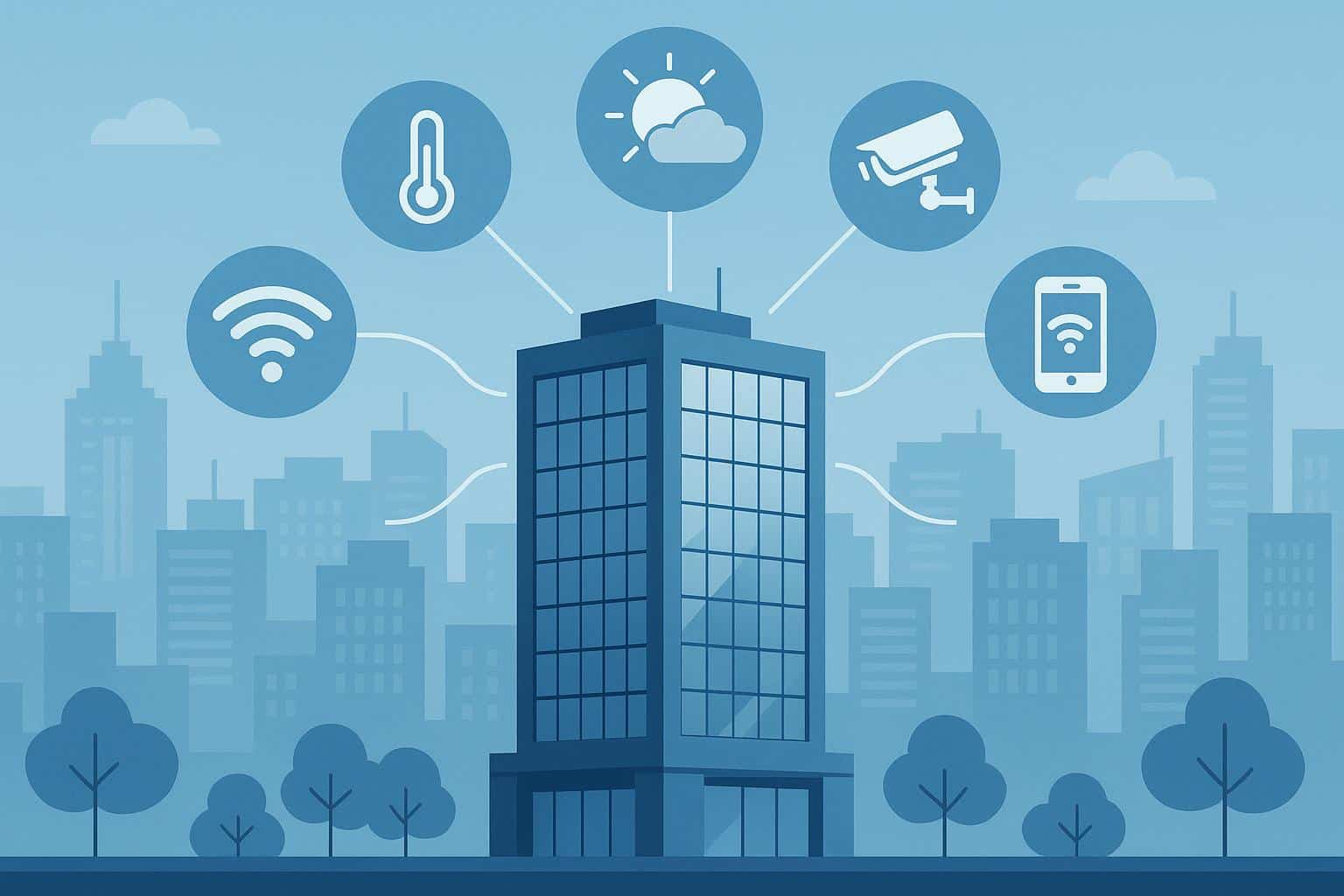
Developers in Dubai are leading the charge by deploying comprehensive facility management systems that unify data analytics, Internet of Things (IoT) sensors, and Building Management Systems (BMS). This holistic approach to smart asset management includes mobile applications for residents, offering a centralized platform for service interactions and amenities. These systems not only facilitate unparalleled portfolio benchmarking, minimizing equipment downtime through predictive maintenance, but also automate vendor workflows, streamlining operations and boosting service reliability.
Utility Modernization and Smart Grid Implementations
On a broader scale, the modernization of utilities is advancing swiftly, establishing a framework for what qualifies as a “smart” development. The integration of virtual power plants throughout new projects showcases the proactive commitments of the Dubai Electricity and Water Authority (DEWA) in smart grid initiatives. Intelligent meters and distributed energy resource integration enable two-way data communication between buildings and the energy-water network, empowering consumers to monitor and manage their resource consumption effectively.
Initiatives like SHAMS Dubai promote extensive adoption of rooftop solar panels and battery storage solutions. These innovations not only enhance the resilience of mixed-use developments but also significantly lower energy bills, making smart technologies a win-win for developers and property owners.
Focus on Occupant-Centric Solutions
With Dubai’s hot climate and luxury real estate market, there is an increasing demand for occupant-centric building systems. Modern developments incorporate smart glazing and AI-enhanced HVAC systems that adjust to outdoor temperatures, occupancy patterns, and energy pricing signals. This not only alleviates peak cooling demands but also ensures optimal comfort for residents. Cutting-edge features like air-quality monitoring, personalized lighting setups, and voice-activated applications are now standard in premium properties, elevating living standards while driving property values upward.
Regulatory frameworks in Dubai, such as Green Building Regulations and Al Sa’fat standards, actively promote these advancements by establishing benchmarks for materials performance and energy efficiency. The Dubai Urban Vision 2040 further emphasizes smart infrastructure and resource-efficient practices, compelling developers to focus on well-planned communities as opposed to isolated projects.
The Future of Smart Buildings
The trend towards smart building technologies is not only reshaping architectural practices but is also influencing investment dynamics in Dubai. As property buyers seek interconnected and advanced living spaces over traditional luxury elements, developers who prioritize smart features gain a competitive advantage. The appeal of technologically integrated homes resonates particularly with high-net-worth individuals and tech-savvy expatriates, emphasizing that modern buyers value intelligent designs that promise better return on investment.
Though challenges such as cybersecurity and integration complexities persist, proactive strategies—including robust cybersecurity measures and early-stage involvement of IT teams—help mitigate these risks. As Dubai continues to push towards a comprehensive smart city agenda, the future holds promising prospects for district-wide intelligence and enhanced environmental sustainability.
In conclusion, Dubai is firmly establishing itself as a leader in smart building technology, embedding it at the core of architectural design and investment strategies. With each new development, the city enhances its operational efficiencies and bolsters its commitment to sustainability, setting a global standard in intelligent building practices. Whether for living or investment, Dubai’s focus on smart architecture offers a forward-thinking approach that promises lasting value.