
Report: Russia provides Iran with satellite and drone technology
Russia is strengthening its military collaboration with Iran, enhancing the latter’s capabilities with satellite imagery and advanced drone technology. This relationship aims to prolong the ongoing conflict and presents both economic and military advantages for Moscow.
Military Enhancements and Drone Technology
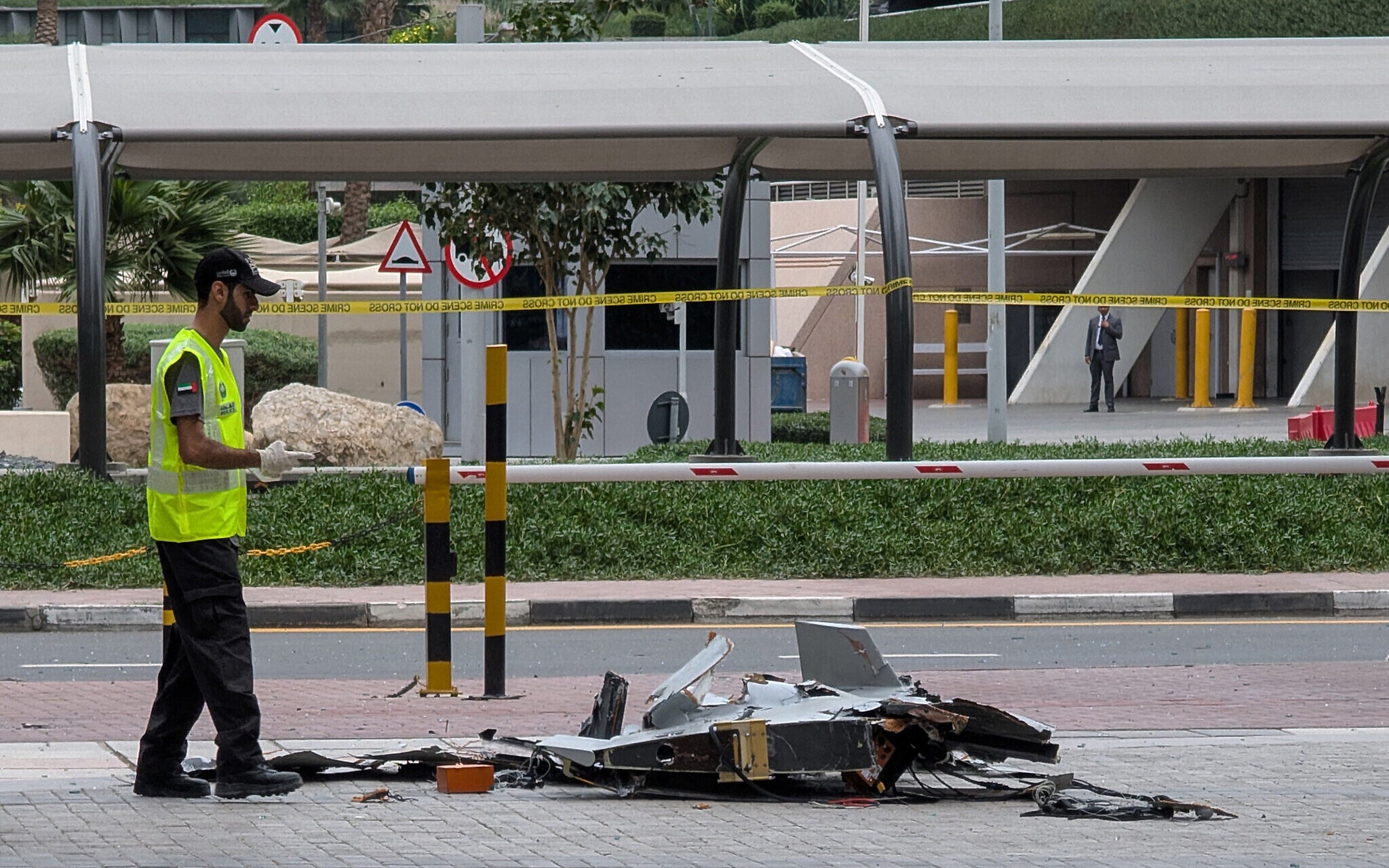
Recent reports indicate that Moscow is supplying Iran with equipment to upgrade its Shahed drones, significantly improving their communication, navigation, and targeting systems. While these drones are primarily Iranian, Russia has developed its own similar versions. Furthermore, Russia is sharing valuable tactical knowledge on using these drones effectively, particularly insights drawn from its military operations in Ukraine. This assistance has the potential to increase the efficacy of Iranian strikes against U.S. forces positioned in the Middle East.
Geopolitical Implications of Intelligence Sharing
Both the Wall Street Journal and the Washington Post previously disclosed that Russia has been transmitting satellite intelligence concerning U.S. troop locations in the region. This collaboration is thought to have intensified recently, reportedly enabling Iran to successfully target vital U.S. radar systems. Information gathered comes from satellites managed by the Russian Aerospace Forces, enhancing Iran’s operational effectiveness while potentially putting American forces in jeopardy.
Despite these developments, U.S. officials remain optimistic about their operational capabilities. White House spokeswoman Olivia Wales downplayed the impact of Russian support to Iran, asserting that such assistance has not affected military achievements. She claimed that U.S. airstrikes on Iranian assets resulted in a dramatic decrease in missile and drone attacks emanating from Iran.
The Impact of Drone Warfare in the Region
Iran’s recent missile and drone assaults on nations hosting U.S. military bases, as well as on Israeli regions, reflect a response to ongoing military campaigns against Tehran. Reports indicate that U.S. radar stations have suffered damage, which compromises air defense capabilities, including installations in Jordan and the United Arab Emirates. Civilian infrastructure in Gulf countries remains vulnerable, suffering both casualties and destruction from these drone strikes.
As of late, Ukraine has indicated that Russia has deployed around 57,000 Shahed drones since the onset of its conflict, utilizing both Iranian and domestically produced units. Notably, these drones have received enhancements, making them more resistant to countermeasures. There are indications that some improvements are now being shared with Iran, potentially escalating threats in the region.
The Economic Underpinnings of Military Alliances
Iran’s strategic moves, particularly in the Strait of Hormuz—a crucial oil transport route—could lead to higher oil prices, offering further economic gain for Russia. This dynamic not only benefits Moscow but also raises concerns about the depletion of U.S. interceptor missile stocks, which are critical for Ukraine’s air defense efforts.
Historically, Russia and Iran have maintained a close relationship, formalized through a strategic partnership agreement signed in January 2025. This agreement emphasizes enhanced military cooperation and defense ties, allowing both nations to benefit from their collaboration amidst ongoing regional tensions.