
Luxury Homes: Expanding Spaces, Innovative Tech, and Modern Designs
In the rapidly evolving hospitality sector, hotel renovations have shifted from mere aesthetic upgrades to comprehensive transformations that embrace technology and enhance guest experiences. Today’s renovations are centered around creating more residential-style spaces, integrating advanced tech solutions, and optimizing wellness and comfort.
Beyond Aesthetic Enhancements
Experts in the hospitality industry emphasize that renovations now go far beyond a simple coat of paint. Insights from Joao Cravo, Vice President of Asset Management at Trilight Hospitality Asset Management, reveal that renovation strategies hinge on a variety of factors. These include the hotel’s age, its market positioning, the standards set by the brand, and anticipated returns on investment. “Many hotels currently undergoing refurbishments had plans already in development,” Cravo explains. The recent lull in demand has accelerated these projects, prompting some properties to push forward renovations sooner than initially intended.
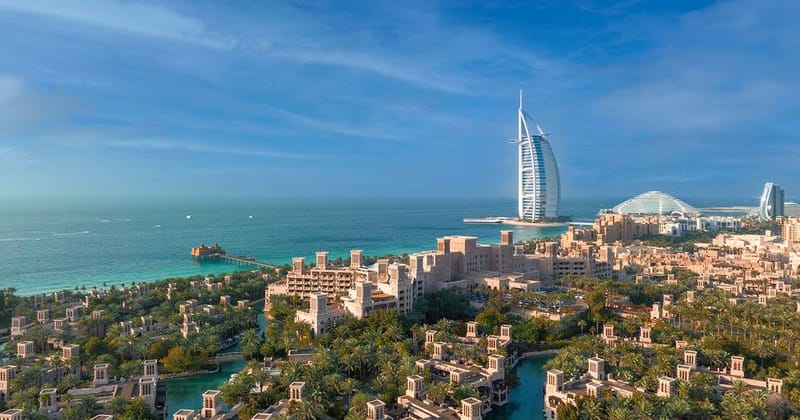
Renovations are now more focused on improving wellness amenities and optimizing acoustic comfort, alongside upgrading materials and finishes. Paul Clifford, a strategist specializing in hospitality design, emphasizes that UAE luxury hotels are increasingly prioritizing long-term viability in their renovations. “It’s not just cosmetics anymore; these projects are about future-proofing the hotels in a competitive market,” he notes. With properties like Burj Al Arab and Park Hyatt Dubai leading the charge, the trend now necessitates more sophisticated designs that utilize superior materials and enhance guest comfort through smart technology.
Capitalizing on Industry Trends
Periods of market uncertainty often provide an opportune moment for hotels to initiate renovations. This timing allows for work to be completed with minimal disruption to revenue during peak periods. Cravo comments on this trend, indicating that owners are logically opting to expedite renovation projects rather than waiting for demand to rebound fully. “The rationale is clear: by renovating during softer demand, you sidestep revenue losses while positioning yourself to seize opportunities as the market improves,” he states.
Clifford supports this viewpoint, adding that owners tend to move forward with renovations when occupancy rates decline. “The benefits of a post-renovation market uplift significantly outweigh the short-term revenue dip,” he underscores. By using slower seasons wisely, hotels can enhance their facilities and ensure they remain competitive as market conditions improve.
Strategizing Renovation Approaches
Traditionally, luxury hotels have undertaken renovations floor by floor to maintain operational continuity. However, an increasing number of properties are now exploring full or partial closures in an effort to complete renovations more quickly. Cravo points out that while a phased approach is often preferable, the current climate has led owners to reconsider their strategies.
Clifford adds that some hotels are opting for hybrid renovation models, maintaining restaurant operations while temporarily closing guest rooms or suites. “A complete closure can significantly shorten renovation timelines and minimize ongoing disruptions,” he explains. This shift reflects a growing willingness to adapt in response to market conditions, with an eye toward meeting evolving guest expectations effectively.
In summary, as hotels continue to navigate the complexities of modern hospitality, their renovation strategies are increasingly sophisticated and focused on long-term growth. By integrating smart technologies, luxury materials, and wellness amenities, hotels are uniting aesthetic design with functional advancement, positioning themselves for a more competitive future. The decisions made today will undoubtedly shape the landscape of hospitality for years to come.