
Iran Attacks Cause Major AWS Outages in Bahrain and Dubai
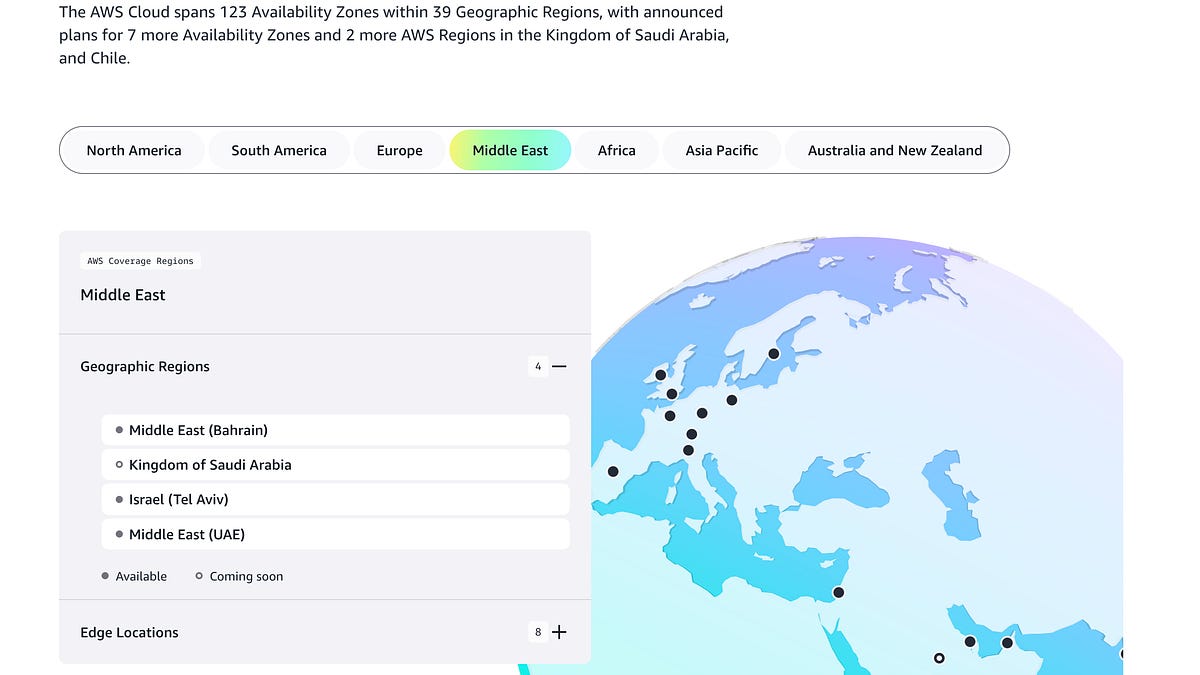
Amazon Web Services (AWS) has recently faced significant operational challenges due to strikes attributed to Iran, which have severely impacted its infrastructure in the Middle East. Two key availability zones serving customers in Dubai and Bahrain are now rendered “hard down,” meaning they are expected to remain unavailable for an extended period. This situation poses substantial risks for businesses relying on these AWS regions for cloud services.
Understanding the Impact of Strikes on AWS Infrastructure
The consequences of these strikes have been profound, leading internal communications within AWS to advise teams to deprioritize efforts in the affected regions. With operational capabilities severely hindered, Amazon has indicated that services in these zones lack the normal levels of redundancy and resiliency. Employees have been instructed to minimize service footprints to conserve available capacity for urgent customer migrations.
An Amazon representative pointed towards a blog post that addresses the ongoing disruptions, emphasizing the company’s commitment to support affected clients. Many customers have successfully migrated their applications to alternative AWS regions, mitigating some of the impact caused by these strikes. As the conflict extends into its sixth week, the economic targeting of Amazon’s infrastructure highlights a worrying trend for tech companies operating in volatile regions.
Threats to Other Major Tech Players
In addition to AWS, Iran’s strikes have raised concerns about the vulnerabilities of other U.S. tech giants such as Microsoft, Google, and Apple. The Iranian Revolutionary Guard Corps (IRGC) has issued threats that signal a broader risk to American businesses operating in the Gulf region. The geopolitical landscape is increasingly unpredictable, forcing companies to reassess their operational security and contingency planning.
The facilities in Bahrain and Dubai consist of clusters known as availability zones. Currently, one zone in each location is entirely down, while another is impaired but still functional. AWS remains without a clear timeline for when normal operations will resume, prompting urgent measures for businesses with workloads in these affected areas to establish new operational bases.
What This Means for AWS Customers
AWS customers and partners must be proactive in navigating this crisis. The advisories from Amazon stress the importance of maintaining flexibility and readiness to migrate workloads to unaffected regions. This shift can help organizations minimize downtime and maintain business continuity. Failure to act swiftly could lead to significant operational disruptions for businesses dependent on reliable cloud services.
As this situation evolves, businesses should consider diversifying their cloud service dependencies. Relying heavily on a single provider or region can exacerbate vulnerabilities, especially in areas experiencing geopolitical tensions. Exploring options across multiple cloud service providers can enhance resilience against unforeseen disruptions caused by external factors like warfare.
In conclusion, the strikes against Amazon’s facilities in the Gulf Region not only threaten AWS operations but also underscore the broader risks facing tech infrastructure in unstable areas. As both businesses and Benison\White\customers grapple with these challenges, the need for strategic foresight and operational flexibility has never been more crucial. Companies must remain vigilant to ensure they can adapt to the rapidly changing landscape and protect their digital assets effectively.