
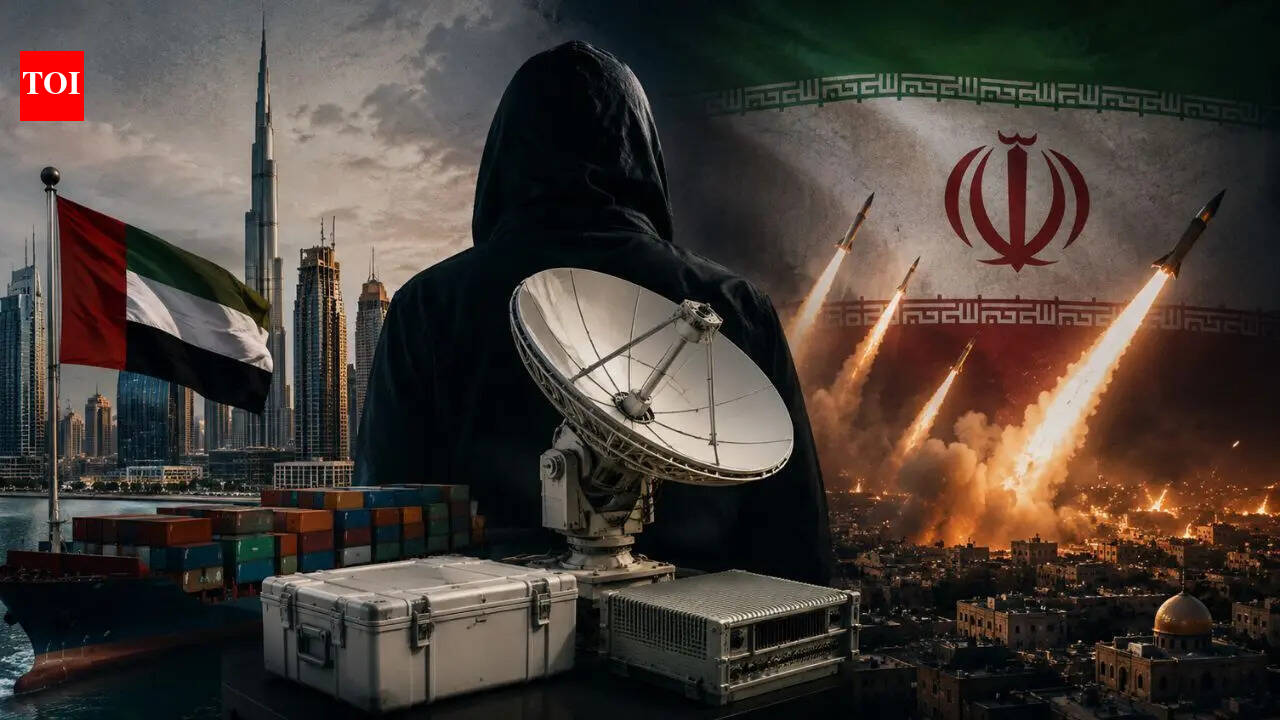
Iran Acquired Chinese Satellite Technology Through UAE, Strikes Abu Dhabi: Report
Iran has reportedly utilized a procurement network based in the United Arab Emirates (UAE) to secretly acquire Chinese satellite technology, particularly linked to its drone and missile initiatives. This information, derived from leaked shipping and commercial records, raises serious concerns about the geopolitical implications of these transactions, especially as they occur amidst ongoing tensions between Iran and Western nations.
Clandestine Acquisitions in the Gulf
According to documents reviewed by the Financial Times, the Islamic Revolutionary Guard Corps (IRGC) successfully obtained advanced satellite communication equipment through Telesun, a UAE-based firm. This particular piece of technology plays a vital role in Tehran’s military capabilities—specifically its drone and missile programs. The equipment, reported as being a military-grade satellite antenna, was shipped from Shanghai and routed through Dubai before arriving in Iran. Such procurement methods highlight the intricate strategies employed to evade scrutiny, especially considering the longstanding Western sanctions aimed at Iran’s military expansion.
Interestingly, the UAE has become a focal point for Iranian retaliation following actions taken by the US and Israel. After these strikes against Iranian assets, Tehran launched over 2,800 drones and missiles, targeting various locations in the Gulf, indicating a deliberate escalation in hostilities that involved the very technology procured through the Gulf state.
Methods of Evasion and Deception
The leaked records further detail the operational procedures employed to conceal these transactions. Shipping documentation revealed that a 4.5-meter motorized satellite antenna was deceptively labeled in customs records as “antenna and accessories.” The shipment, weighing approximately 1.8 tons, was initially transported aboard a Chinese container ship to Dubai’s Jebel Ali port. After being offloaded, the shipment was subsequently picked up by an Iranian vessel. However, investigations into maritime GPS data and satellite imagery suggest that the Iranian ship engaged in “spoofing” techniques—broadcasting false location data to mask its true route.
Further analysis of satellite images indicated that the vessel, after allegedly departing toward Oman, was, in fact, docked at Iran’s Shahid Rajaee port, the declared final destination for the shipment. This duplicity underscores how sophisticated strategies are being employed to circumvent regulatory oversight and evade international sanctions.
Implications for International Security
Such disclosures raise significant alarms about the operational dynamics between Iran and its procurement efforts, especially considering the potential implications for global security. The US and European Union have consistently been monitoring and applying sanctions not only on entities involved in Iran’s defense sector but also on those that facilitate technology transfers. In this case, Telesun acted on behalf of an Iranian telecommunications operator linked to military projects, thereby complicating the landscape of international regulatory frameworks.
This scenario reinforces the necessity for heightened scrutiny of UAE’s free trade zones, where regulation is reportedly less stringent, paving the way for potential sanctions evasion. Analysts have voiced concerns that the UAE’s commercial landscape could unintentionally serve as a conduit for military technology and equipment destined for sanctioned entities in Iran.
As tensions in the region escalate, governments around the world, particularly in the West, will likely increase their focus on tracking and mitigating the risks posed by these clandestine supply chains. Enhanced diligence and regulatory compliance within Gulf commercial sectors may become essential to thwart Iran’s capacity to fortify its military capabilities through covert procurement efforts.