
Dubai’s Strategic Long-Term Development in Life Sciences
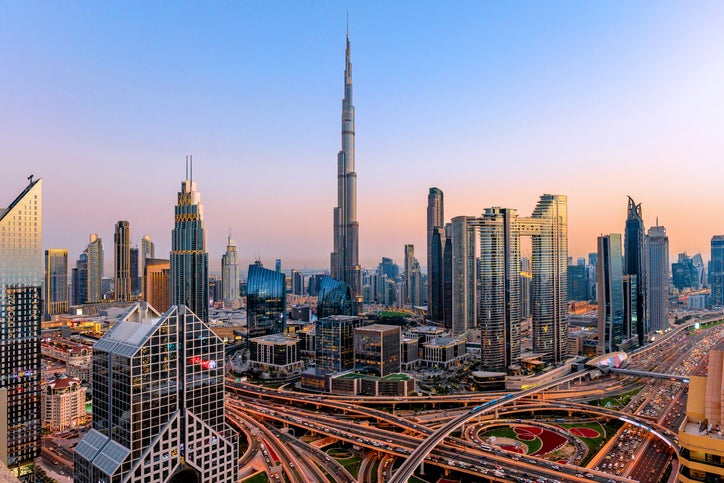
Dubai is becoming increasingly recognized for its rapid advancements in healthcare and life sciences, paralleling its impressive skyline. Amid various regional challenges, this emirate positions itself as a resilient hub conducive to investment, research, and patient care, showcasing an attractive blend of stability, regulatory clarity, and global connectivity.
Dynamic Clusters Driving Healthcare Innovation
Rather than centralizing facilities in a single locale, Dubai has established specialized free zones to cultivate focused industries. Two pivotal ecosystems, Dubai Healthcare City (DHCC) and Dubai Science Park (DSP), are emerging as anchors in the healthcare and life sciences sectors. These zones work together to enhance Dubai’s healthcare landscape by offering a combination of medical services, research infrastructures, and commercial incentives designed to attract major global players while simultaneously fostering local capabilities.
Launched in 2002, DHCC offers a streamlined medical free zone governed by the Dubai Healthcare City Authority. Its regulatory framework supports quick licensing and full foreign ownership within its ecosystem. Currently, DHCC hosts around ten hospitals alongside over 160 clinical facilities, significantly uniting regional providers with renowned international institutions such as Moorfields Eye Hospital. As the COO of the authority notes, the community has established critical networks that benefit clinics looking to join this thriving environment.
A Thriving Medical Tourism Sector
Medical tourism has emerged as a significant revenue generator. Dubai’s strategic geographical positioning between Europe, Asia, and Africa has led to the influx of hundreds of thousands of international patients annually. While impressive infrastructure serves as a foundation, the volume of residents—projected to reach 3.86 million by 2024—raises the demand for healthcare services. With nearly 38,000 births reported in 2024, the emirate must address the challenges posed by an increasing population and corresponding healthcare requirements.
Central to these challenges is the need for skilled professionals. The healthcare sector faces a considerable shortage, with a projected demand for an additional 6,000 doctors and 11,000 nurses by 2030. To tackle this gap effectively, Dubai must implement multifaceted strategies, incorporating financial incentives and providing clear career pathways to both attract new talent and retain the existing workforce.
From Research to Implementation
Dubai Science Park, functioning as the research and innovation engine of the emirate, is complementing DHCC by targeting specific sectors like digital health, artificial intelligence, and advanced therapeutics. This innovation hub houses over 300 companies and emphasizes the development of specialized facilities supported by strong intellectual property protections to attract vital investment.
A collaborative environment is being fostered to help transition scientific research into commercial applications. Initiatives such as enhanced frameworks for clinical development and increasing engagement with artificial intelligence aim to streamline this path. Despite possessing advanced infrastructure and governmental support, hurdles like weak technology-transfer systems still prevent timely market entry for new therapies.
As competition among Gulf states intensifies—particularly with Saudi Arabia’s significant investment in healthcare reform—Dubai will need to demonstrate stability and resilience. The Emirate’s unique geographical and economic advantages enable it to serve as a vital point of convergence for global healthcare initiatives, but it must build a sustainable knowledge economy that nurtures long-term scientific innovation.
With the proper foundations in place, Dubai has the potential to evolve from merely a hub for global healthcare entities to a driver of domestic research and scalable life sciences firms. The long-term challenge lies in fostering institutions capable of supporting sustainable advancement in healthcare over the coming decades.