
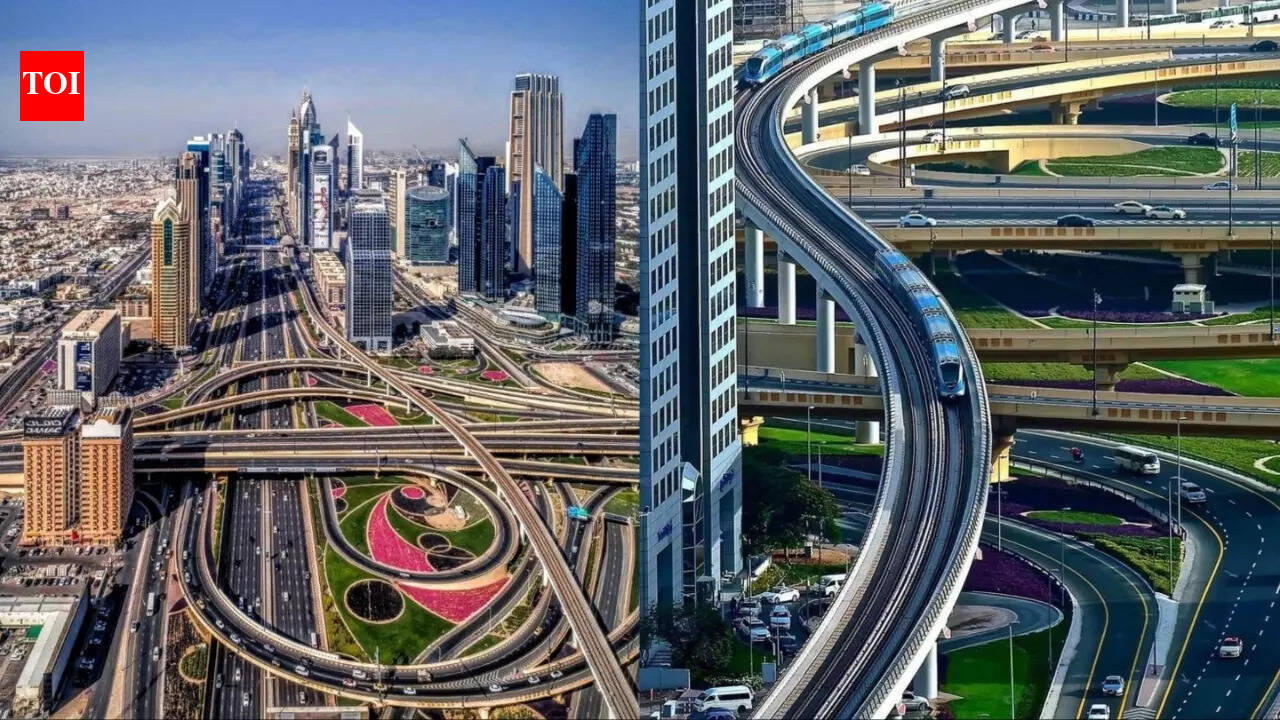
Dubai’s Innovative Traffic Solutions: RTA’s AI and Mobility Strategies
Dubai, a rapidly expanding urban hub, is implementing comprehensive strategies to address persistent traffic congestion and future mobility challenges. With a rising population and an increasing number of vehicles, the Roads and Transport Authority (RTA) has initiated a series of infrastructure improvements and innovative solutions designed to decrease travel times and enhance safety. Here’s an overview of the transformative measures being undertaken in the city.
The Significance of Addressing Traffic Congestion in Dubai
As Dubai experiences remarkable urban growth and economic diversification, the volume of vehicles on the road has surged, rising around 10% each year. This increase is especially noticeable during peak commuting hours, significantly impacting key routes such as Sheikh Zayed Road and Ras Al Khor Road. Traffic congestion is more than just an inconvenience; it disrupts daily activities, lowers productivity, and contributes to environmental pollution. Recognizing these challenges, the RTA is strategically reshaping mobility to provide both immediate relief and innovative long-term solutions.
Leveraging Smart Technology for Traffic Management
A standout feature of Dubai’s approach to tackling congestion is the integration of AI and predictive technologies. The RTA’s recent upgrade to its traffic signal management system, UTC-UX Fusion, employs artificial intelligence to optimize traffic lights in real time. Preliminary data indicates that this system boosts traffic flow across crucial intersections by up to 37%, with travel times decreasing by 10% to 20%. By 2026, it will be implemented across hundreds of intersections, thereby lowering wait times and enhancing overall road efficiency. Additionally, the establishment of an AI-powered traffic lab allows for the analysis of real-time data to predict congestion patterns, enabling proactive management of peak periods and construction zones.
Infrastructure Enhancements and Major Road Projects
To improve traffic conditions, the RTA is actively pursuing extensive road construction and upgrades. Notable developments include a new exit at Bu Kadra Interchange, which has diminished rush-hour travel times by over 50%. Furthermore, the recently opened bridge on Al Qudra Road has nearly doubled traffic capacity and significantly reduced wait times for the approximately 400,000 daily commuters using this vital corridor. Various upgrades, including enhancements around the Healthcare City exit, are expected to substantially ease congestion in some of Dubai’s busiest areas.
Moreover, a comprehensive traffic improvement initiative targeting over 50 key locations across Dubai aims to streamline travel times by as much as 60%. These enhancements focus not only on major intersections but also on facilitating smoother traffic flows, particularly in residential and commercial zones where congestion is prevalent.
Future Mobility Solutions: A Vision for Tomorrow
While immediate infrastructure enhancements are essential for mitigating current congestion, Dubai is also exploring futuristic mobility options. Initiatives such as driverless vehicles and air taxis are being developed, with autonomous transit routes intended to connect metro stations with key destinations. The Air Taxi program has reached 80% completion, introducing vertical flight as a new commuting alternative. The planned Dubai Loop, an ambitious underground transportation network created in partnership with The Boring Company, aims to alleviate surface road congestion significantly.
In parallel, the RTA’s vision promotes multi-modal integration of transit systems, encouraging shifts from private cars to shared mobility. By bolstering connections between various forms of public transit, including buses, trams, and e-hailing services, the aim is to ease congestion and drive down emissions. Overall, these integrated efforts highlight Dubai’s ambition to cultivate a sustainable transportation ecosystem that enhances both quality of life and economic competitiveness.
In conclusion, Dubai’s multi-faceted approach to combating traffic congestion reflects its commitment to a future-ready urban transport network. As ambitious infrastructure projects and advanced technologies roll out, the hope is that commuters and residents alike will experience a faster, safer, and more efficient mobility landscape, paving the way for a more sustainable city.