
Agentic AI Transforms Work Future Amid Dubai’s HR Innovations
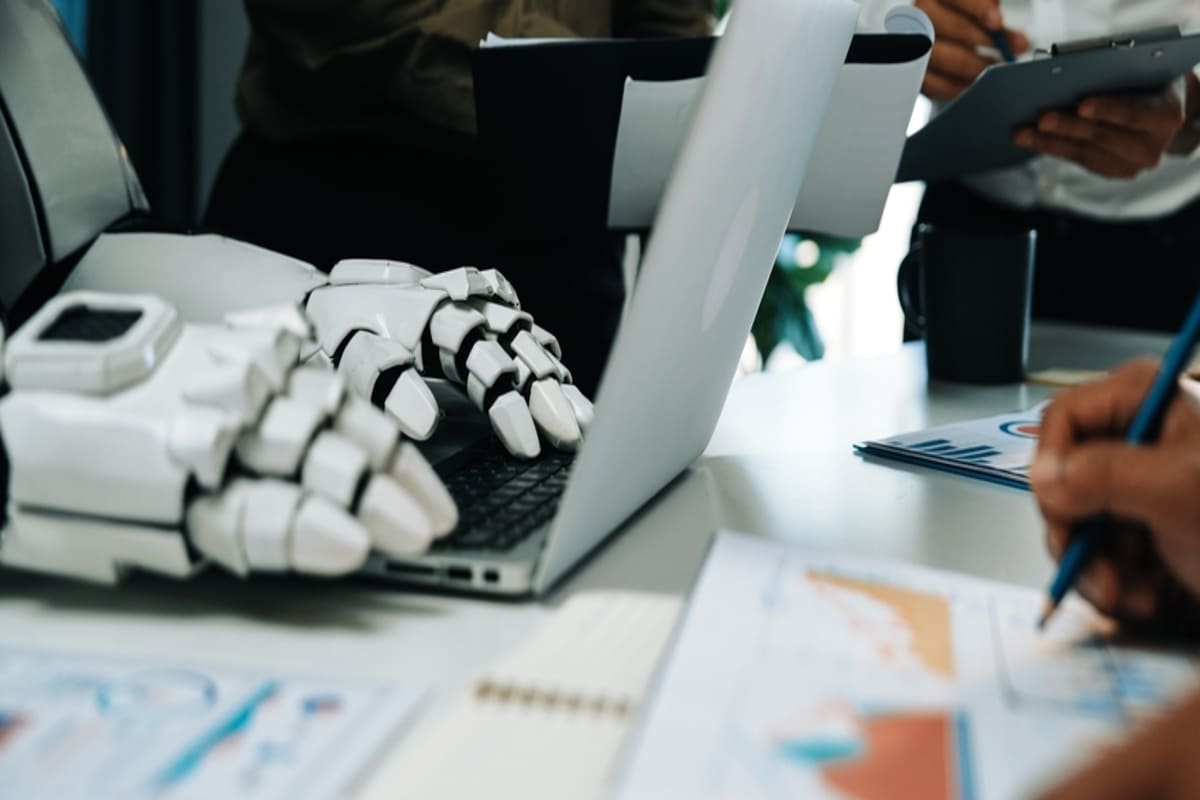
In today’s rapidly changing workplace, artificial intelligence (AI) is evolving from a simple tool into a complex partner that collaborates with human workers. As organizations begin to integrate agentic AI systems, which are capable of performing intricate tasks and supporting advanced decision-making, the conversation has shifted from automation to reimagining employment structures. This transformation demands a comprehensive overhaul in job design, skills development, and leadership styles, setting the stage for a new era of work.
The Arrival of Agentic AI
The introduction of agentic AI technology is compelling companies to rethink their approach to job roles and employee engagement. Unlike traditional AI, which often handles isolated tasks, agentic AI operates across multiple workflows. This capability allows organizations to increase operational efficiency and redefine how responsibilities are allocated between humans and machines.
The implications of this shift were discussed prominently at the inaugural DGHR Multaqa 2026 forum, organized by the Dubai Government Human Resources Department. Under the theme “Agents at Work. Humans in Charge. Policy as Guide,” participants highlighted how these advancements are transforming workforce structures and necessitating an evolution in roles and responsibilities.
Skills for the Future
A crucial point addressed at the forum was the importance of developing new skill sets as AI becomes more integrated into the workplace. As AI takes over routine and analytical tasks, the focus is shifting toward competencies like critical thinking, oversight of automated systems, and effective collaboration with intelligent technologies.
Speakers at the event emphasized that simply incorporating advanced technologies isn’t enough; organizations must invest in continuous learning and employee development to keep pace with AI advancements. This requires a commitment to preparing the workforce through ongoing training and enhancing institutional readiness to adapt to evolving AI capabilities.
Accountability in Leadership
Another significant topic of discussion was the changing landscape of leadership in an AI-driven environment. While agentic AI can analyze data and offer recommendations, leadership must remain firmly in human hands. Abdullah Ali Bin Zayed Al Falasi, Director General of Dubai Government Human Resources, stated, “AI can support work, analyze information, and provide recommendations, but it cannot replace human judgment or assume responsibility for decisions.”
This emerging model of leadership involves managing hybrid teams that consist of both human employees and AI tools. Leaders must prioritize transparency, trust, and accountability within the decision-making process to ensure effective collaboration between humans and machines.
Transforming Human Resources
The impact of AI extends beyond job roles and skills; it’s also revolutionizing human resources (HR) practices. AI technologies are increasingly influencing recruitment, employee experiences, and performance management, necessitating robust governance frameworks to ensure that these powerful tools are used ethically and transparently.
A white paper presented at the forum advocated for clear policies concerning accountability, transparency, and trust as AI becomes more ingrained in HR operations. Participants contributed to a consensus that while agentic AI can significantly enhance efficiency and improve decision quality, the successful integration of such technologies hinges on balancing innovation with human-centered values and effective governance.
As organizations continue to adopt these advanced systems, the future of work is likely to focus less on replacing human workers and more on reconfiguring job roles. AI can feasibly handle a range of operational tasks, allowing people to focus on leadership, oversight, and final decision-making—marking a new chapter in the collaboration between humans and technology.