
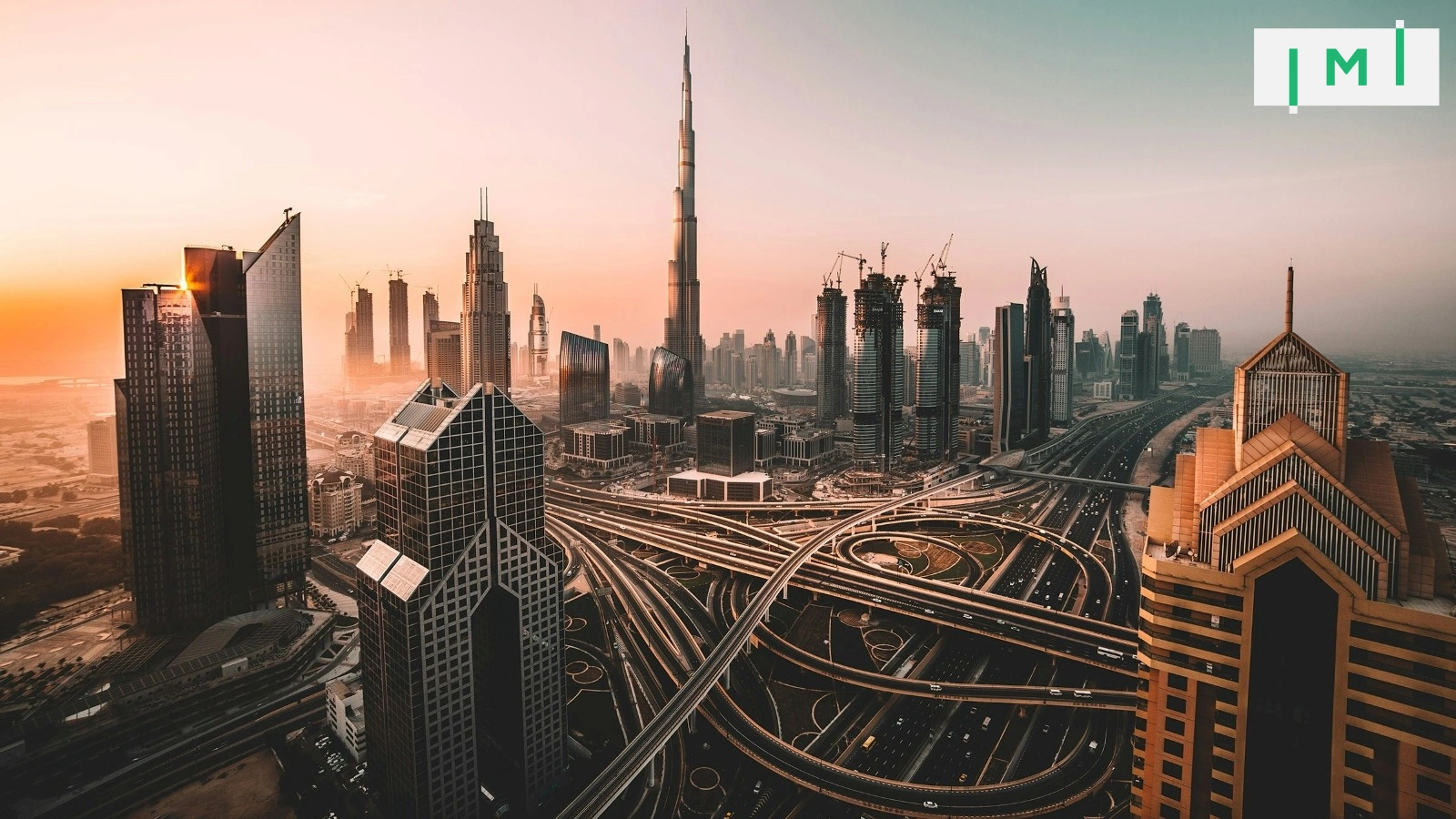
Where Wealth Would Flow If Dubai Loses Its Sense of Safety
For over a decade, Dubai has marketed itself to affluent individuals with an enticing offer: zero taxes, a luxurious lifestyle, and an unparalleled sense of security. While the first two components remain attractive, the third—a reliably secure environment—has recently come into question. The emergence of geopolitical tensions, particularly highlighted by the 2026 conflict with Iran, has raised alarms among prospective investors and residents.
### The Geopolitical Shift
On February 28, 2026, an air campaign initiated by the United States and Israel against Iran marked a pivotal moment for the region. Almost immediately, the repercussions rippled through Gulf states, with the UAE facing direct threats for the first time. Reports indicated that Iranian attacks were aimed at significant locations, such as Dubai’s Jebel Ali port and notable landmarks within the city. This newfound danger spurred wealthy residents to reconsider their investments and personal safety.
In the wake of these developments, many affluent individuals based in Dubai began seeking alternative options rapidly. Within a week, private bankers in Singapore and Hong Kong reported a surge in inquiries as Dubai clients sought to transfer their assets. Family offices meticulously assessed their stakes in the Gulf, demonstrating how quickly perceptions can change in response to instability.
### Dubai’s Value Proposition Under Pressure
Dubai’s allure has never been solely based on tax advantages; its real draw has often been the perception of absolute safety. Experts, including Karen Young of the Middle East Institute, suggest that the city’s long-standing reputation as a safe haven has fundamentally shifted. The influx of wealthy migrants—nearly 10,000 millionaires in one year alone—over the past decade has cemented the UAE as a destination for the wealthy. However, the recent conflict illustrates that foreign investors can quickly opt to leave if the environment becomes uncertain.
With an estimated $63 billion in wealth influx, the city had seen its millionaire population effectively double since 2014. This focus on attracting capital creates an environment where wealth can swiftly depart, revealing its inherent vulnerability.
### Structural Challenges in the Gulf Region
The war’s implications extend beyond immediate threats. Significant cracks have emerged in Dubai’s primary offerings. For example, the UAE Golden Visa provides only temporary residency status without offering a direct path to citizenship. This brings into question the security of one’s investments and residency, as recent reports of visa revocations for certain nationals highlight the precariousness of this status.
Moreover, relocating within the Gulf does not mitigate the risks posed by regional conflicts. Countries like Qatar and Saudi Arabia face similar threats, making them not necessarily safer alternatives for those fleeing Dubai.
### Alternatives to Dubai’s Model: Singapore, Switzerland, and Beyond
Global capital is increasingly seeking stability in other jurisdictions. Singapore, for instance, presents a favorable combination of safety and prestige, alongside a reputable taxation system. While it imposes a progressive income tax, its lack of capital gains and inheritance taxes proves attractive. The pathway to permanent residency requires considerable investment, adding to the financial commitment but ensuring a more stable environment.
Switzerland, on the other hand, offers predictability through a unique taxation model where wealthy individuals can negotiate their tax rates based on living expenses. This stability, along with a long-standing reputation for neutrality, appeals to those seeking a secure environment.
Monaco keeps the essence of Dubai’s offer intact by imposing no personal income taxes, alongside a safe environment. However, its entry costs can be daunting, requiring a substantial financial commitment.
### The Broader Implications of Mobility
The events in Dubai have underscored a critical trend: wealthy individuals are now prioritizing resilience and flexibility over a singular, permanent base. The need to hold secondary residences or citizenships elsewhere has become increasingly apparent. This strategic move ensures that affluent families are prepared for future uncertainties.
As they reassess their options in the wake of regional upheaval, the wealthy are focused on diversifying their holdings and opportunities. Dubai’s recent experiences serve as a cautionary tale, revealing that what once seemed like an impenetrable haven is not without its vulnerabilities. Ultimately, the landscape of global mobility has transformed, prompting a re-evaluation of what stability truly means in today’s world.