
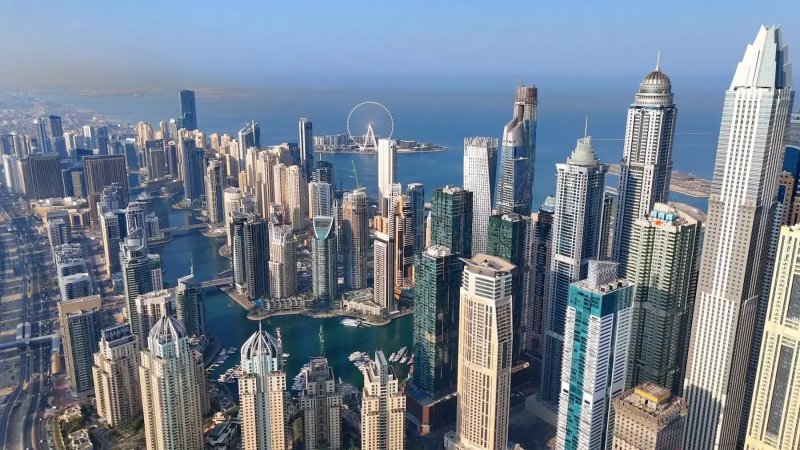
What Effect is the Middle East Conflict Having on Dubai’s Real Estate Market?
The real estate market in the UAE is currently experiencing a significant downturn, marking a shift in dynamics for both investors and property developers. Recent reports indicate that transactions have slowed considerably, raising concerns about the future health of the sector.
Decline in Transaction Volumes
Analysts at Goldman Sachs revealed a staggering 37% decrease in real estate transaction volumes in the UAE during the first 12 days of March compared to the same period last year. When measured against February’s figures, the drop is even more pronounced, reaching 49%. This stark decline is accompanied by a notable reduction in the overall value of completed property deals, which have fallen nearly fifty percent from the levels seen in February.
Price Adjustments and Discounts
In response to the market’s slowdown, many properties are being listed at significant discounts. Real estate agents have reported price reductions averaging between 12% and 15%. For instance, a property near the iconic Burj Khalifa has been re-listed for $650,000, down from its previous price of $735,000. Additionally, an off-plan apartment on Palm Jumeirah is now priced at around $2 million, reflecting a decrease of approximately 15% from its initial listing. Such price adjustments signal a market reacting to evolving buyer sentiments.
Impact of Geopolitical Tensions
The ongoing geopolitical issues, particularly conflict-related incidents and Iran’s actions affecting Israel and U.S. bases, have cast doubt on Dubai’s standing as a safe haven for affluent investors. While the real estate market had already shown signs of a natural slowdown after five years of robust growth, the unfolding war is being viewed as a critical stress test. With safety concerns looming, investor confidence has been challenged.
Property Developer Performance and Future Outlook
The fallout from these events has also impacted property developers. Shares for major companies like Emaar Properties, which is known for its association with the Burj Khalifa, have seen a decline of over 26% on the Dubai stock exchange since the start of the conflict. Although current median transaction prices have only dipped around 3% year-on-year, analysts from Citi caution that geopolitical uncertainties could undermine future population growth and diminish investor appetite. In a bearish forecast, they predict potential annual property price drops of 7% through 2028.
Despite these challenges, certain segments of the market remain active. A number of investors are on the lookout for discounted properties, and high-value transactions are still occurring. For instance, a luxury unit on Palm Jumeirah was reportedly sold to former UFC champion Francis Ngannou, suggesting that there is still a willingness among some buyers to invest in premium properties.
In summary, the UAE real estate market is currently navigating turbulent waters. While certain investors are seeking value in the form of discounted listings, broader geopolitical uncertainties and declining transaction volumes pose challenges for the sector. As the landscape evolves, market participants remain divided, with some expressing confidence in continued demand for premium properties, while others highlight the risks posed by the current climate.