
What Are the Implications for Real Estate in Dubai?
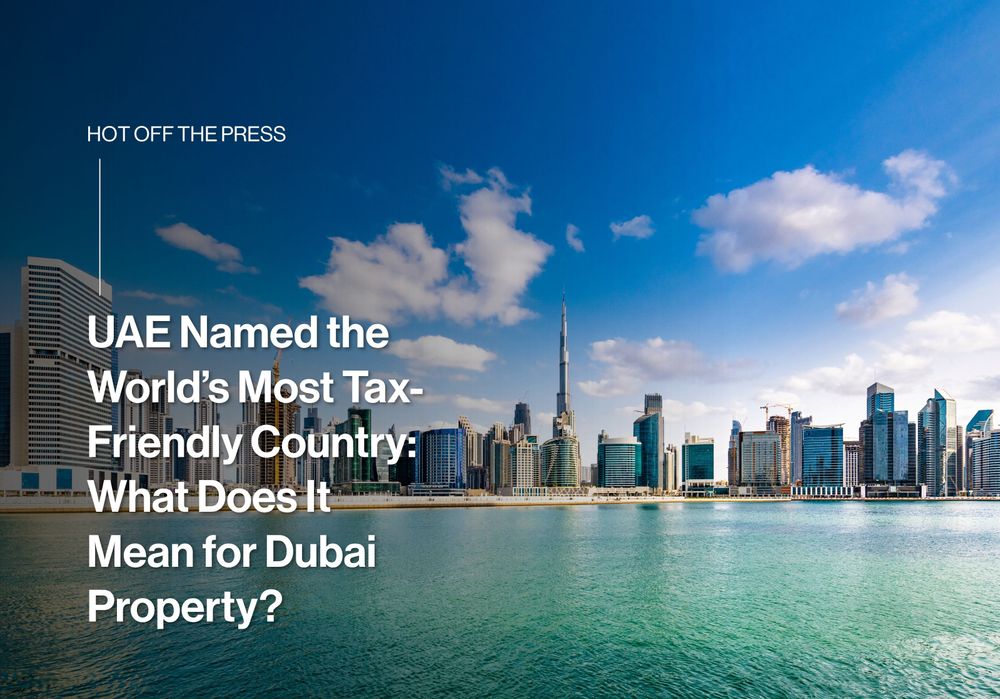
The UAE has recently been recognized as the most tax-friendly nation globally by Global Citizen Solutions, a well-regarded advisory firm. This ranking underscores the country’s attractive tax system for both individuals and businesses, enhancing its allure for expatriates, entrepreneurs, and investors alike.
Reasons Behind the UAE’s Top Tax Ranking
Global Citizen Solutions attributes the UAE’s top ranking to its favorable taxation landscape compared to other major global destinations. One of the most significant advantages for individuals is the absence of personal income tax on earnings. While the UAE does implement taxes such as Value Added Tax (VAT) and Corporate Tax, the overall tax framework is appealing to both individuals and businesses alike. For corporations, the UAE imposes a Corporate Tax rate of 0% on taxable income up to AED 375,000, with a 9% rate on income exceeding this threshold, under specific guidelines and exemptions. Furthermore, personal real estate income is not classified as a business activity for tax purposes, which adds to the appeal for potential property investors.
The Impact of Tax Benefits on Dubai Real Estate
While tax considerations are vital, they are just one aspect influencing where individuals choose to live or invest. The absence of personal income tax in the UAE allows international professionals relocating to Dubai to enjoy greater disposable income compared to what they might have in their home countries. This increased financial flexibility enables them to allocate funds toward property deposits, mortgage payments, or even purchasing more spacious homes or second properties. Ultimately, the financial implications will vary based on an individual’s unique financial situation and any existing tax obligations they may have in their original countries.
Attraction for Global Property Investors
Dubai’s property market is increasingly drawing international attention, with buyers from diverse regions expressing interest. The favorable tax climate, combined with the city’s exceptional infrastructure, connectivity, and lifestyle options, makes Dubai an attractive choice for those looking to relocate and invest simultaneously. For individuals moving from countries with higher personal income tax rates, the financial benefits of living in Dubai can be substantial. Thus, buyers often weigh the overall living costs, disposable income, and long-term financial goals when considering a property purchase.
Additional Costs and Considerations for Buyers
Although the UAE is celebrated for its tax-friendly attributes, it’s critical to note that purchasing property in Dubai still involves various expenses. Buyers need to account for Dubai Land Department fees, agency commissions, and service charges, in addition to any mortgage costs. Tax implications may also vary depending on how a property is owned and whether it’s held personally or through a corporate structure. Given these complexities, it’s advisable for potential buyers to seek independent tax and financial advice tailored to their unique circumstances.
In summary, the UAE’s designation as the most tax-friendly country signifies more than just financial savings for residents. It showcases the UAE’s growing international appeal, particularly in Dubai’s real estate sector, which continues to attract people, enterprises, and international capital. Understanding the tax environment in conjunction with market dynamics is essential for anyone contemplating a move to Dubai or investing in its property market.