
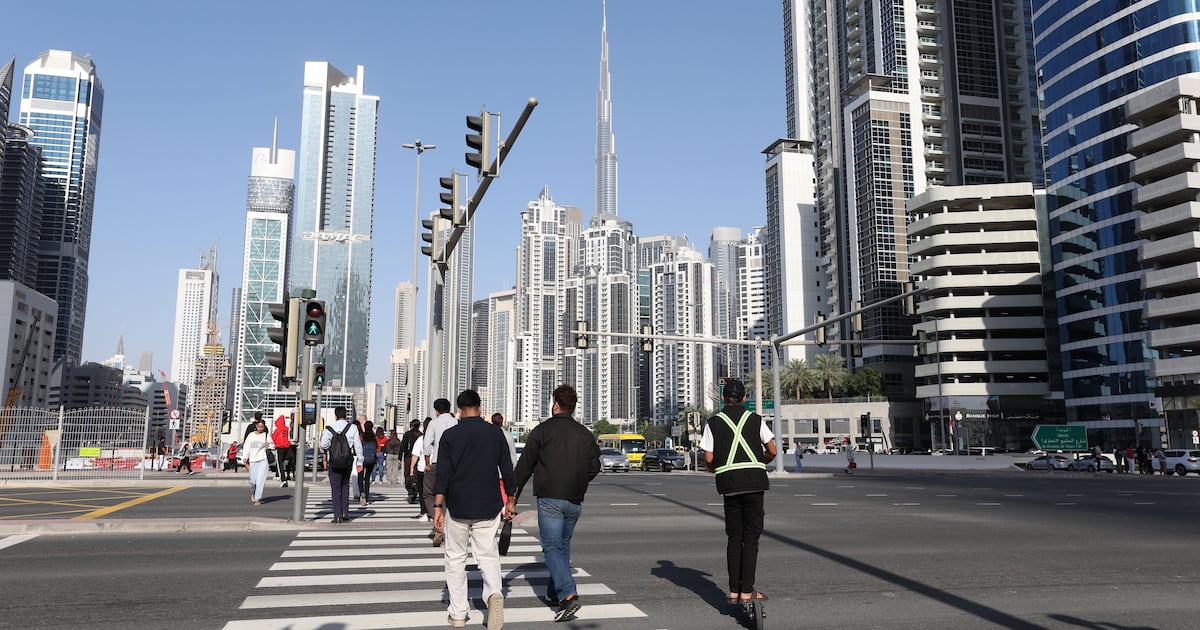
UAE Real Estate: “Are Investors Concerned About Property Prices and Rental Demand?”
Investing in real estate can be a rewarding venture, but geopolitical tensions can create uncertainty for property owners and potential investors. The recent attacks in the UAE have led many to reassess the safety and desirability of Dubai as a real estate market. For current landlords like you or those contemplating an investment, understanding the potential impacts on property prices and rental demand is crucial.
Understanding the Current Situation in Dubai
Your concerns regarding the stability of Dubai’s real estate market are valid. Property markets are profoundly influenced by investor sentiment and confidence. Dubai has cultivated a reputation as a safe haven and stable regional hub over the years. When incidents like these occur, they can prompt a reassessment of future investment plans. However, the immediate impact on property prices may not be as severe as one might fear. Often, initial reactions manifest as hesitation in the market rather than a drastic decline.
The short-term effect generally involves a slowdown in transaction activities. Buyers may take a step back to analyze the geopolitical landscape before committing to real estate investments. It is not uncommon for the volume of transactions to drop during periods of uncertainty. Existing landlords question whether their tenants will remain or if rental demand may falter, particularly as population growth, a primary driver of Dubai’s housing market, could stall.
Factors Supporting Dubai Real Estate
Despite these concerns, Dubai’s real estate market is bolstered by several strong pillars beyond mere population growth. The emirate is a significant commercial hub where businesses continue to operate and require local employees. As long as corporate activities persist, housing demand will likely remain intact. In addition, many investors in Dubai view real estate with a medium- to long-term outlook. While geopolitical tensions may momentarily dampen sentiment, they do not necessarily alter the fundamental characteristics of the market unless these tensions are prolonged and severely impact economic conditions.
For landlords, the focus may shift more towards managing current properties and ensuring tenant retention rather than immediate market exits. Economic dynamics, including job availability and ongoing business operations, will continue to drive rental demand. In a typical scenario, expectations for rental prices and property values may shift rather than plummet dramatically.
Strategies for Potential Investors
For overseas investors who are contemplating entering the Dubai property market, the primary consideration is your risk tolerance. The perception of stability is often as vital as the returns on investment. Recent geopolitical events could make investors cautious, especially those who rely heavily on media reports to gauge risk. It’s important to note that while risks exist, theinvestment appeal of Dubai has historically stemmed from more than just safety—it includes strong rental yields, tax advantages, and the city’s position as a business and travel hub.
While waiting for clarity may seem wise, property markets frequently adjust gradually. The window for securing attractive deals could diminish as uncertainty resolves. Ultimately, the decision to invest should align with your long-term perspectives and financial goals. Many investors have successfully navigated uncertain times by negotiating better prices, while others prefer to adopt a cautious approach.
In conclusion, whether you decide to proceed with your plans or delay your investment due to current events, it’s crucial to stay informed about market dynamics. Understanding the layers of influence in Dubai’s real estate can guide you in making well-informed choices for your investment journey.