
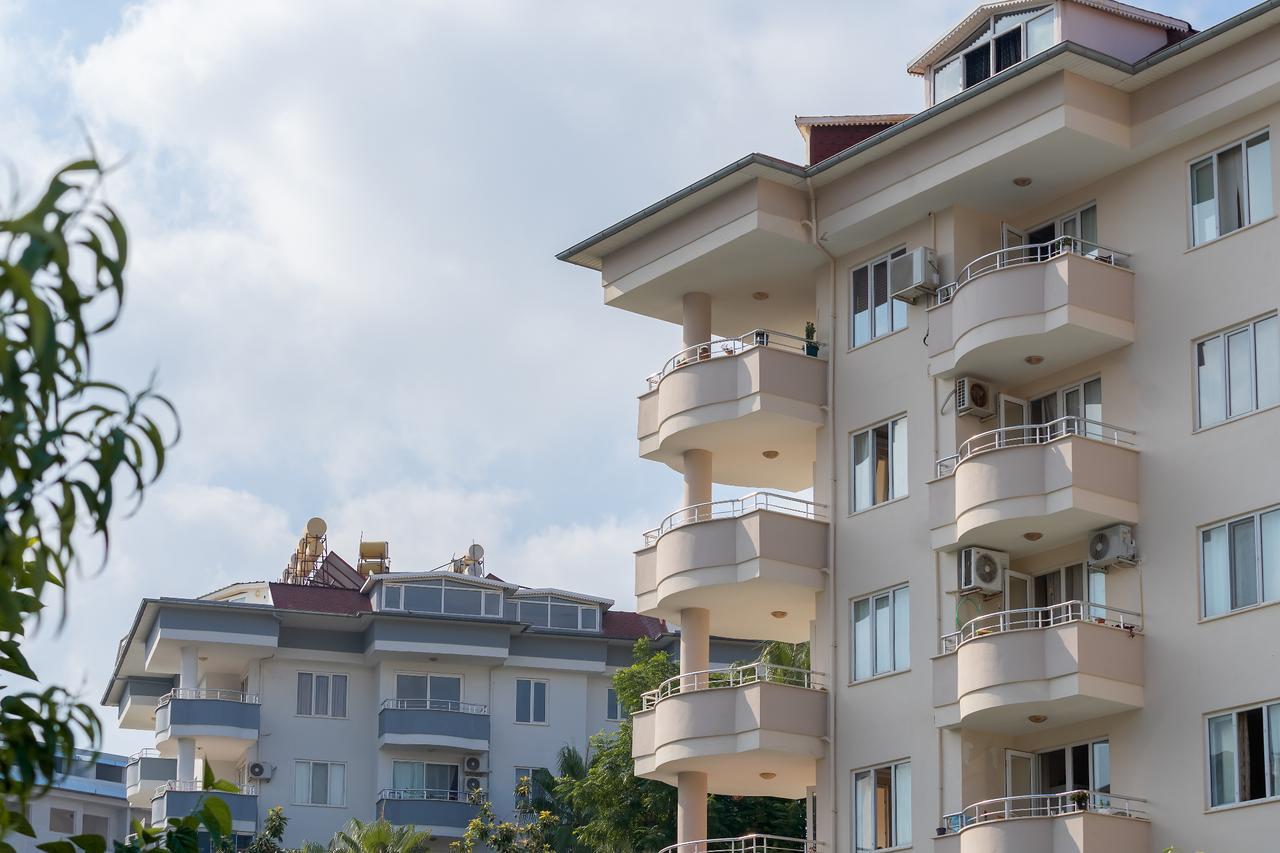
Turkey could attract Dubai real estate investors, according to industry leader.
Türkiye may have the opportunity to attract Dubai’s property investors amid the ongoing slowdown in Dubai’s real estate market. A Turkish industry leader suggests that geopolitical tensions in the Middle East are significantly affecting investment activity. By implementing strategic policy changes, Türkiye could position itself favorably for international investors seeking alternatives.
Challenges in Dubai’s Real Estate Sector
The recent conflict in Iran, sparked by U.S. and Israeli military actions, has intensified instability in the Gulf region. This escalation has resulted in missile and drone attacks that have particularly targeted economic centers like Dubai. Once regarded as a secure hub for international investment and tourism, Dubai now faces heightened security risks that are prompting investors to reconsider. According to recent data, property transactions in Dubai plummeted by 17% from early March to the end of the month, totaling 12,451 deals. Despite this decrease in activity, property prices in Dubai showed resilience, with the median price per square foot still maintaining a yearly increase of 8.1%.
The Decline in Foreign Demand for Turkish Properties
Türkiye witnessed a significant increase in foreign property transactions in 2022, driven by a depreciation in the Turkish lira and an attractive citizenship-by-investment threshold set at $250,000. By that year, sales to foreign nationals had reached 67,490 units. However, as the lira stabilized and the minimum investment for obtaining citizenship rose to $400,000, foreign interest began to wane. In 2025, sales to foreign buyers dropped by 9.4% year-on-year, totaling 21,535 units, with Russian and Iranian buyers being the most active.
Nesecan Cekici, the head of the Real Estate Investors Association (GYODER), noted that, while construction costs in Türkiye’s housing market have mostly been controlled, land prices remain a significant hurdle. She emphasized that current land cost structures are unsustainable, but efforts are being made to facilitate public-private partnerships in land development. Addressing this challenge will be crucial for revitalizing the housing market.
Strategic Opportunities for Türkiye
The Turkish government has the potential to leverage Dubai’s market downturn by making necessary policy adjustments. Key recommendations include making financing more accessible, adjusting citizenship-by-investment thresholds back to more attractive levels, and finding ways to manage high land costs. Implementing these changes could captivate investors looking for new opportunities, particularly those dissuaded by the rising risks in Dubai’s economic environment.
Cekici also highlighted the importance of broadening credit opportunities as a means to stimulate demand. By doing so, Türkiye can not only attract foreign investments but also encourage local buyers, thereby reviving market activity. The confluence of these strategies may just position Türkiye as a compelling alternative for international investors seeking stability in an uncertain geopolitical landscape.
As the global property market continues to evolve, Türkiye stands at a crossroads, where the right decisions can not only attract investment but also foster sustainable growth in its real estate sector. The time is ripe for Türkiye to transform challenges into opportunities, establishing itself as a prominent player in the regional real estate market.