
Khamenei: From London Estates to Dubai Villas – Exploring Mojtaba Khamenei’s International Real Estate Empire
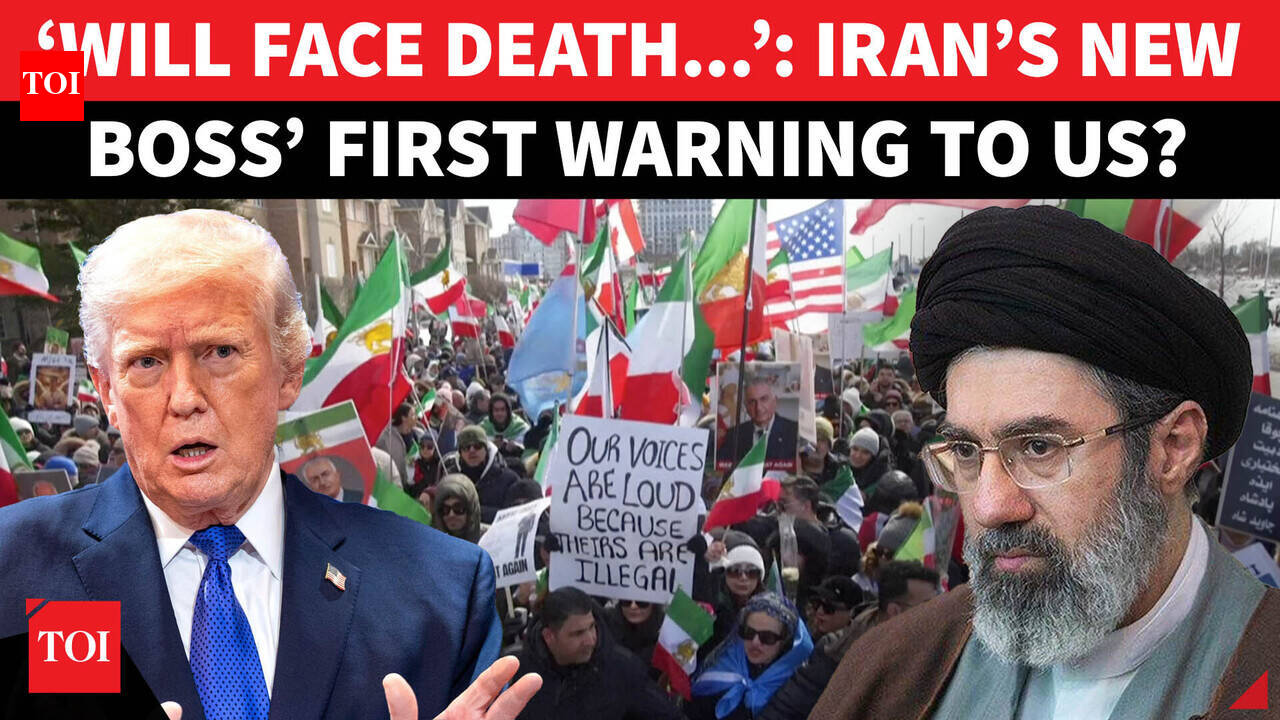
Mojtaba Khamenei has recently assumed the role of Iran’s supreme leader, succeeding his father, the late Ayatollah Ali Khamenei. While having previously maintained a relatively low public profile, this 56-year-old cleric is now at the forefront of Iran’s political landscape. Reports indicate that Khamenei has quietly established an extensive international investment network, encompassing assets like luxury residences in London and various hotel properties across Europe and the Persian Gulf. This overview explores the scale of Khamenei’s financial dealings and implications for Iran’s political future.
A Vast Global Investment Network
Mojtaba Khamenei’s financial empire appears impressive, with investigations revealing a complex structure of investments that spans Europe and the Middle East. Properties linked to him feature high-end homes in affluent areas of London, particularly The Bishops Avenue, renowned as “Billionaire’s Row.” Notably, one mansion reportedly fetched £33.7 million in 2014. Collectively, his UK real estate portfolio might exceed £100 million (around $138 million). Additionally, assets such as luxurious villas in Dubai and upscale hotels in major cities like Frankfurt and Mallorca add to this expansive portfolio. Financial records indicate that transactions for these properties likely involved banking systems in countries like the UK, Switzerland, and the UAE.
The Role of Business Partners
At the heart of Khamenei’s financial operations is Iranian businessman Ali Ansari, a construction magnate under UK sanctions. Ansari’s companies, including various offshore entities, have purportedly facilitated investments abroad. Although these properties are not directly registered under Khamenei’s name, they are associated with intermediary firms, a common practice that allows elites in sanctioned nations to circumvent financial restrictions. Ansari has publicly denied any financial connection to Khamenei and intends to challenge the sanctions. Analysts suggest that these convoluted arrangements enable sanctioned individuals to navigate global financial markets despite increasing scrutiny.
Sanction Evasion Strategies
The international investments of Iran’s elite showcase a mechanism for capital movement despite decades of sanctions due to Tehran’s nuclear policies. Experts assert that the use of shell companies and offshore financial centers plays a critical role in accessing Western financial systems. Concerns have arisen in Europe regarding how international property markets, particularly in cities like London, serve as safe havens for wealth associated with sanctioned regimes. This pattern of investment raises questions about the integrity of property markets and the potential for political elites to secure their fortunes abroad.
Challenges Posed to the New Leadership
Mojtaba Khamenei’s ascension comes at a precarious time for Iran, marked by severe economic difficulties, widespread public dissatisfaction, and escalating geopolitical tensions. Public protests, fuelled by economic grievances and political repression, pose substantial challenges to the stability of the Islamic Republic. As scrutiny over his wealth and international investments increases, frustration surrounding corruption and economic disparity may amplify among the populace. While Khamenei has long exerted influence from behind the scenes, his ability to effectively lead Iran through these turbulent times remains uncertain. Observers will closely monitor his strategies and decisions as he navigates these pressing challenges, which may significantly influence both his legacy and Iran’s future.