
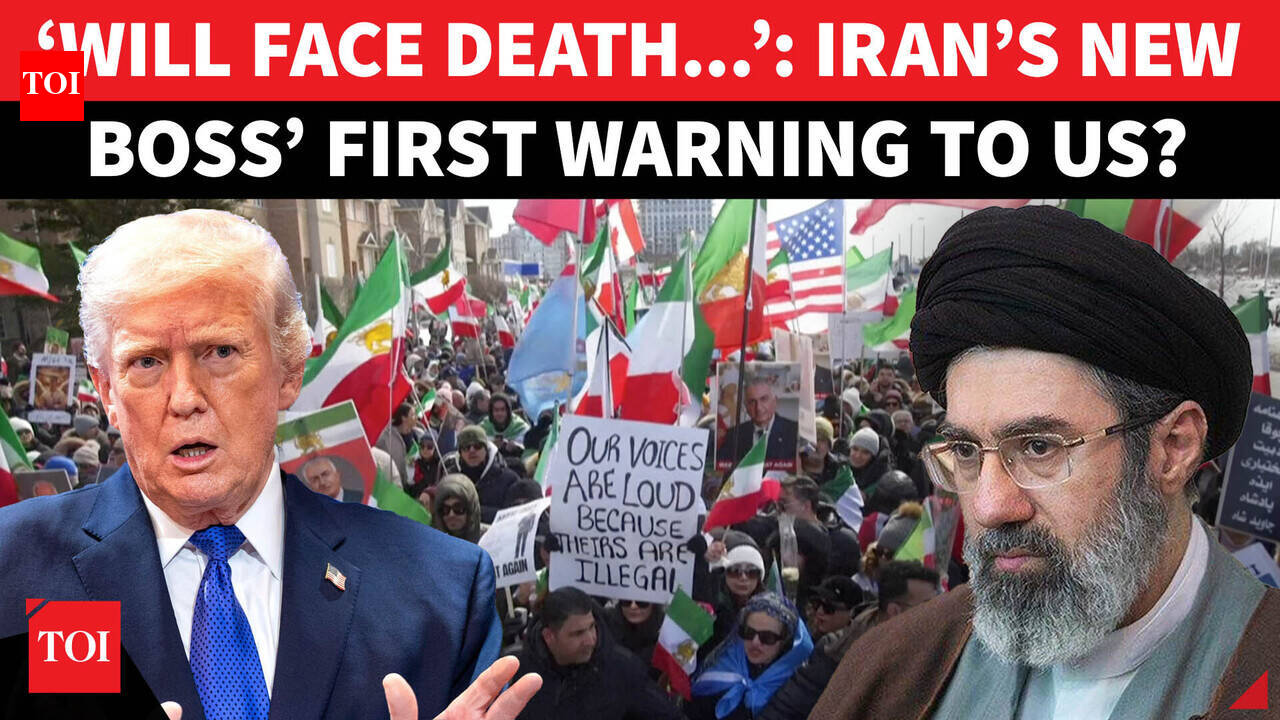
Khamenei: From London Estates to Dubai Villas — Exploring Mojtaba Khamenei’s International Real Estate Empire
Mojtaba Khamenei has recently ascended to the position of Iran’s Supreme Leader, taking over after the passing of his father, Ayatollah Ali Khamenei. Although he has maintained a relatively low public profile throughout his life, reports indicate that Khamenei has built an extensive international portfolio encompassing luxury properties and businesses across Europe and the Middle East, a depth of influence not often associated with recent leaders of the Islamic Republic.
The Expansive Wealth of Mojtaba Khamenei
Investigations into Khamenei’s financial activities reveal a significant network of investments. Properties linked to him include luxurious homes in London’s prestigious neighborhoods, especially The Bishops Avenue, known as “Billionaire’s Row.” Notably, one mansion reportedly sold for approximately £33.7 million in 2014. His total real estate holdings in the UK are estimated to exceed £100 million (roughly $138 million). Beyond the British landscape, Khamenei’s assets reportedly include opulent villas in Dubai and high-end hotels in major European cities like Frankfurt and Mallorca. The financial routes for these acquisitions are said to involve a complicated web of banks from countries like the UK, Switzerland, and the UAE, further masking the origins of this wealth, believed to stem from Iran’s lucrative oil trade.
Key Business Allies in the Financial Network
Central to Khamenei’s financial dealings is Iranian businessman Ali Ansari, known for his expansive work in construction and banking. Ansari, sanctioned by the UK, is suspected of facilitating Khamenei’s overseas financial activities through various offshore companies and investments in Europe. Although assets are not registered directly in Khamenei’s name, they are often channeled through various corporate entities. Ansari has denied any association with Khamenei, asserting his intent to contest the sanctions against him, but analysts note that such arrangements are common among elites in heavily sanctioned nations.
Capital Movement Amid Sanctions
The revealing network of wealth underscores the broader issue of how Iran’s elite manage to channel significant capital abroad despite longstanding international sanctions. Experts observe that the use of shell companies and offshore financial structures enables those under sanctions to navigate Western financial systems effectively. Concerns have been raised by anti-corruption advocates regarding how major property markets, particularly in cities like London, serve as channels for wealth tied to politically connected individuals from sanctioned regimes.
Leadership Context and Implications
Mojtaba Khamenei’s rise to power comes amid a tumultuous landscape in Iran, marked by severe economic discord and widespread public frustration. Longstanding grievances related to political repression and economic inequality have ignited protests throughout the nation, creating a challenging environment for the new Supreme Leader. His controversial succession, which some view as a move toward dynastic rule, complicates his standing within the Iranian political framework, traditionally oriented against hereditary leadership. As Khamenei grapples with his new role, scrutiny over both his financial dealings and the state of the nation could significantly shape his leadership trajectory and the future of Iranian governance. His ability to navigate these issues will be under close observation by both allies and critics alike.