
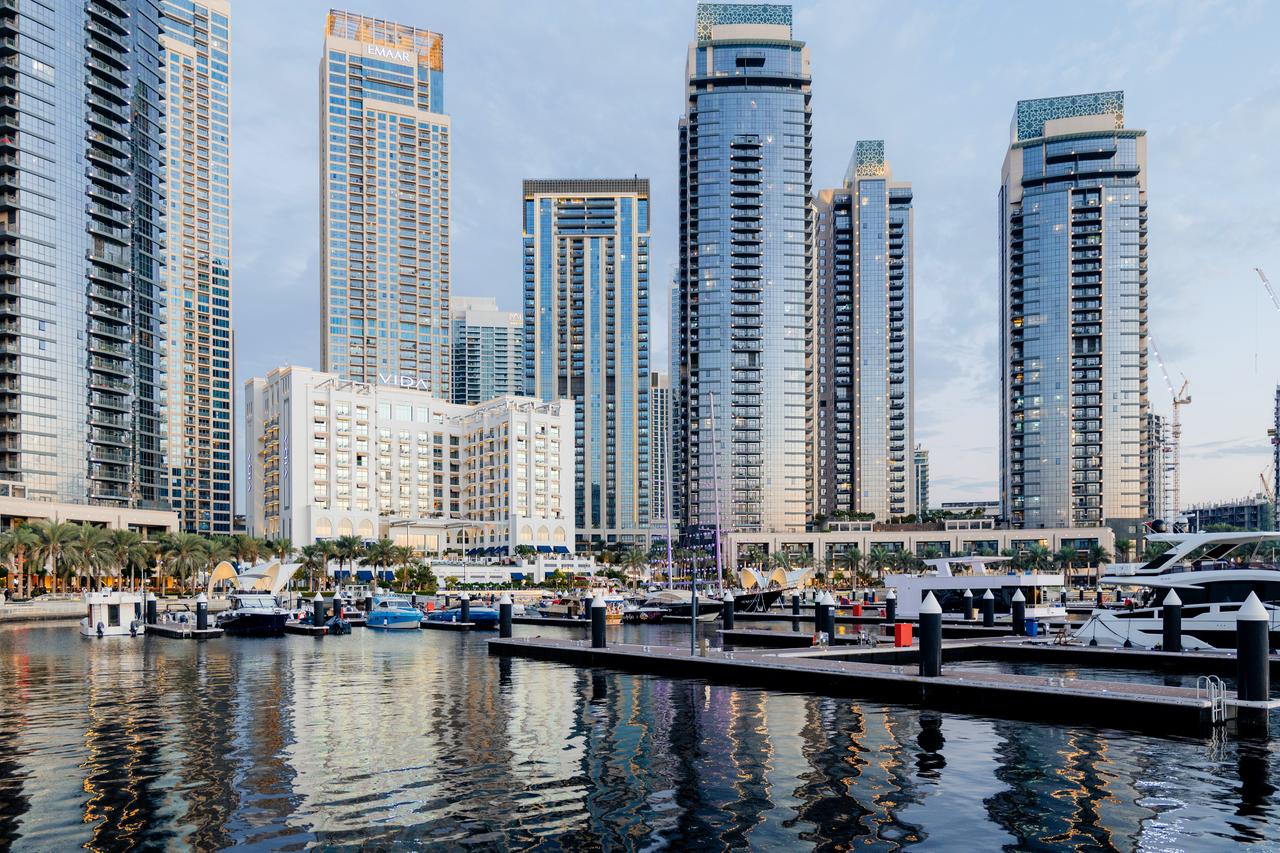
Iran’s Strikes Impact Dubai’s Luxury Real Estate, Causing Near 20% Decline in Values
The ongoing conflict in the Middle East has had a profound impact on Dubai’s thriving real estate market. Once heralded as a beacon for international property investment, the emirate’s real estate sector is now facing significant uncertainty, driven by geopolitical tensions stemming from Iran.
Market Shrinks Amid Volatility
The recent escalation of attacks from Iran has led to an unexpected upheaval in Dubai’s real estate sector. Following a series of hostile events that commenced at the end of February 2026, the Dubai Financial Market (DFM) Real Estate Index has plummeted by over 17%, erasing substantial gains made earlier in the year. This downturn was coupled with an 11% drop in the broader DFM index, highlighting the market’s vulnerability to international events.
As fallout from these developments unfolds, both local and foreign investors have begun to reconsider their positions. The sharp sell-off in property stocks has caused many to lose confidence, leading to a wave of divestments from the sector. This turnaround is particularly striking given that Dubai’s property market reported record sales in 2025, with transactions totaling approximately AED 917 billion (around $249.7 billion). The earlier figures had painted a picture of resilience, underscored by a growing number of international buyers and favorable tax policies that had made Dubai a prime location for high-net-worth individuals.
Leading Developers Face Significant Setbacks
Prominent property developers in the region are feeling the effects of this market volatility more keenly than most. Emaar Properties, one of the largest developers responsible for iconic structures like the Burj Khalifa, experienced a staggering 13.6% decline in its stock prices. Other notable firms, including Deyaar Development and Union Properties, reported losses of 11.6% and 12.8%, respectively. Even Tecom Group, which manages several commercial hubs across the emirate, isn’t untouched, with a smaller but still significant 2.8% dip.
Prior to this crisis, Dubai’s property market was thriving, with home values increasing steadily and yielding a 9.6% real return in 2025 alone. The rapid descent of property prices over recent weeks marks a significant turn of events, raising concerns among stakeholders about the long-term implications for the market.
Security Woes Impact Investor Sentiment
Amid the crisis, concerns about security have begun to overshadow Dubai’s reputation as a safe investment haven. The Iranian military’s missile strikes targeting the UAE have raised alarms among residents and investors alike. According to authorities, 253 ballistic missiles and 1,440 drones have been detected since the commencement of the conflict, resulting in multiple casualties and injuries within the emirate.
Such threats have heightened fears for many, with international tourists fleeing the emirate following the closures of its airspace. Notable tourist attractions, including several luxury hotels, have sustained damage, further tarnishing the city’s image as a secure destination. The swift departure of visitors has amplified the urgency with which investors and developers are now reassessing the feasibility of ongoing projects in the region.
The combination of geopolitical instability and rapidly changing investor sentiment could lead to lasting ramifications for Dubai’s property market, and stakeholders are closely monitoring the situation as it evolves. As the region grapples with these dual crises, the future outlook for Dubai’s once-buoyant real estate sector remains uncertain.