
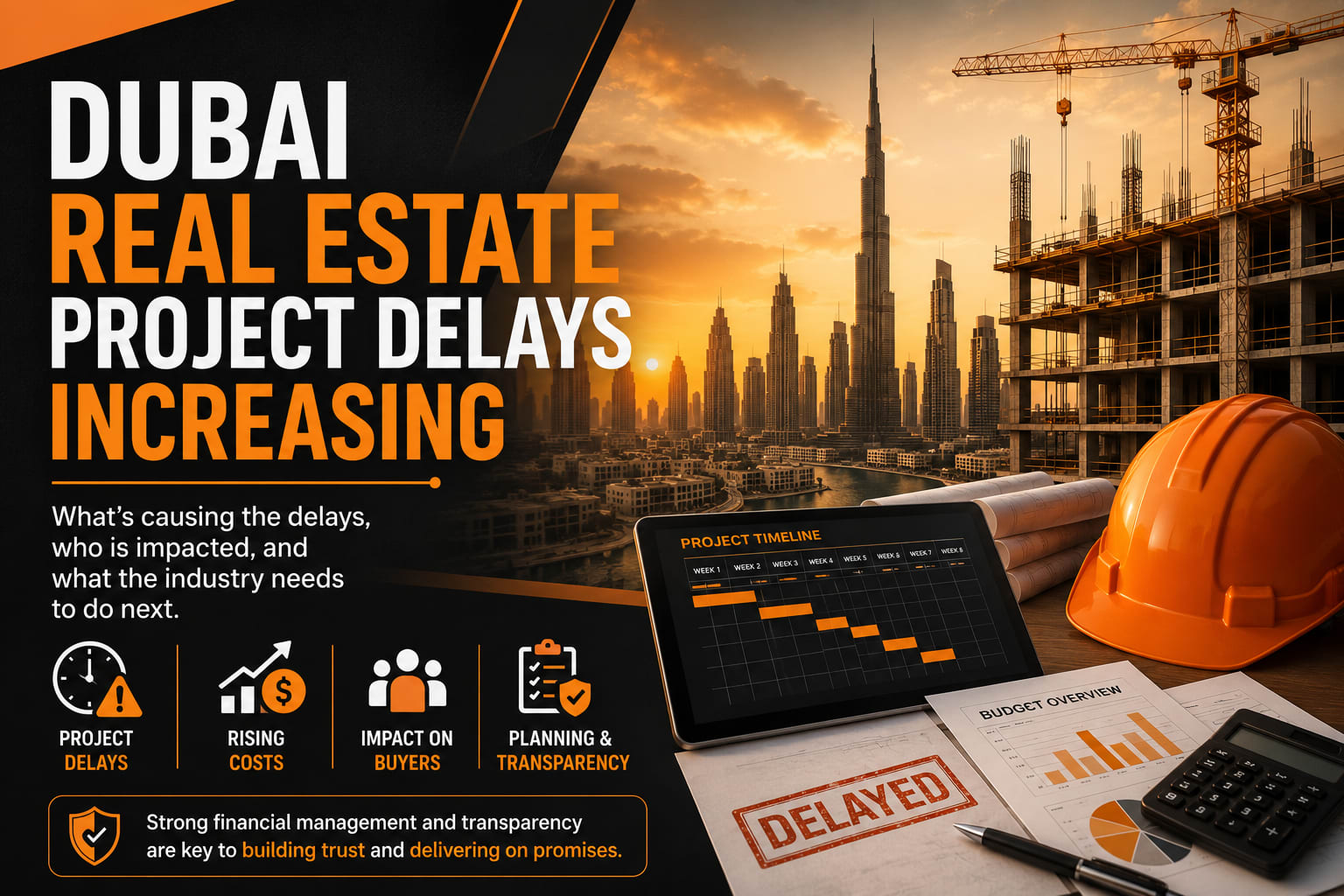
Exploring the Reasons Behind Delays in Dubai’s Real Estate Developments
Dubai’s real estate landscape has transformed dramatically in recent years, characterized by luxury properties, waterfront living, and extensive mixed-use developments. This vibrant market continues to generate global interest, thanks to increasing tourism, infrastructure enhancements, and flourishing international business. However, amid this positive momentum, a growing concern looms—project delays.
### The Rising Issue of Project Delays in Dubai’s Real Estate
In recent months, the frequency of discussions surrounding delayed project handovers and construction slowdowns has surged in Dubai’s property sector. While delays have always existed in real estate, the increasing number of postponed projects raises red flags for developers, investors, contractors, and buyers alike. This situation underscores a pressing need for financial prudence, transparency, and refined operational management within the industry.
The reasons for project delays are varied and often interrelated. Factors such as escalating construction material costs, disruptions in global supply chains, labor shortages, and fluctuating market conditions all contribute to longer timelines. The complexity of large-scale developments, which frequently rely on intricate international supply chains, means that delays in shipping or contractor availability can significantly derail project schedules. Furthermore, when developers take on multiple projects at once, they may inadvertently increase their operational and financial strain, impacting overall execution.
### A Shift in Buyer Sentiment
Despite Dubai’s appeal, buyers today are more discerning than ever. Investors are keeping a watchful eye on several crucial elements, including developer reputation, ongoing construction progress, project financing, escrow management, and the historical delivery rates of developers. For many, the emotional and financial implications of a delayed property handover can be significant, especially for those looking to achieve rental income or relocate by a certain date. When timelines are extended, it can erode trust, particularly for those investing in off-plan properties heavily reliant on promised completion dates.
This heightened caution among buyers has intensified pressure on developers to enhance their communication and financial transparency. Today’s investors expect clarity and reliability regarding the projects they are interested in, pushing companies to adapt to these changing expectations.
### Financial Oversight: A Vital Component
While it’s common to attribute construction delays to operational challenges, underlying financial management plays a pivotal role. Large property developments call for meticulous budgeting, effective cash flow planning, timely contractor payments, and long-range financial forecasts. Even minor disruptions—like unexpected rises in material costs or late investor payments—can cascade into more significant issues. This has led to a growing consensus that robust financial oversight is essential for maintaining stability in Dubai’s real estate market.
Increasingly, firms are relying on independent financial evaluations, internal controls, and organized reporting systems to minimize risks. The complexity of new regulations and tax structures also emphasizes the need for developers to stay ahead of compliance requirements by working with experienced financial professionals.
### The Imperative for Transparency
Transparency has emerged as a critical demand in Dubai’s real estate sector. Investors now anticipate more straightforward reporting and responsible financial practices from developers. Concurrently, regulatory frameworks are evolving, which compels businesses to align their operational accountability with compliance standards. This attention to detail is vital for larger developments that involve numerous stakeholders. Companies that demonstrate strong financial discipline often find themselves better equipped to face uncertainties and attract maintaining investor confidence.
In conclusion, while Dubai’s real estate market remains dynamic and full of potential, the rise of project delays has brought to light the interconnectedness of growth, financial diligence, and transparent operations. To thrive in this competitive landscape, developers must embrace responsible planning and robust financial management as part of their strategic objectives. As the market continues to evolve, the focus on transparency and accountability will be pivotal for sustaining investor trust and achieving long-term success.