
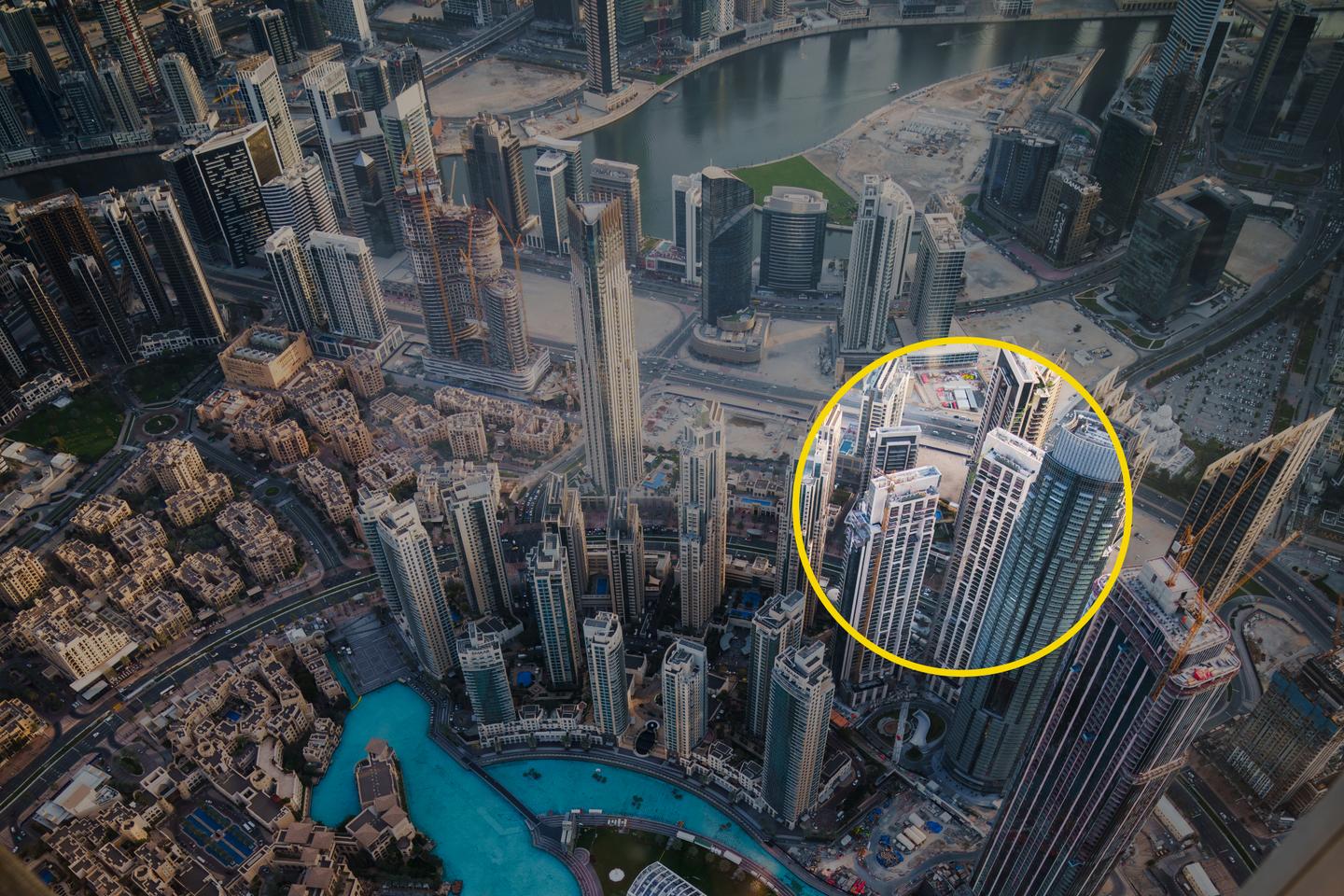
Exploring Dubai’s Unmatched Action Against Drug Traffickers’ Property Holdings
In a groundbreaking development, significant attention has been drawn to a major drug trafficking case involving Marseille that has resulted in the seizure of numerous properties in Dubai. French Justice Minister Gérald Darmanin made headlines on November 28, 2025, when he revealed that the Emirati judicial authorities had confiscated 82 apartments related to this investigation. This announcement followed his trip to the United Arab Emirates just days earlier. With intentions to bolster cooperation in combating drug-related crimes, Darmanin’s subsequent visit on December 22 aimed to expedite the investigations, push for extraditions, and arrange for asset seizures from Dubai-based traffickers.
Clarifying the Seizure Numbers
While the initial reports indicated a considerable number of seized properties, further investigation reveals discrepancies in the count. According to sources, including documents from the “Dubai Unlocked” project and local property records, the actual number of unique properties affected by the freeze stands at 33. This includes 30 apartments, two villas, and one plot of land. Such details highlight the complexity of the investigation, as several properties were mistakenly reported as separate due to miscalculations in the legal process.
A Victory for Judicial Cooperation
Despite the confusion surrounding the numbers, the actions taken by the Emirati authorities signify a landmark achievement for the French judicial system and investigative bodies. This marks not only a triumph over drug trafficking networks but also an unprecedented step towards strengthening international collaboration between France and the UAE. In terms of property seizures, this case is a notable first in Dubai, showcasing the potential for effective global partnerships in combating organized crime.
The Implications of Increased Cooperation
The cooperation between France and the UAE on matters of drug trafficking is indicative of a broader trend toward enhanced international policing and judiciary relations. As countries face increasing challenges posed by transnational crimes, shared intelligence and coordinated actions become vital. The successful property seizures may pave the way for future collaborative efforts, ensuring that justice is served and illicit activities are curtailed.
In conclusion, while initial reports may have overstated the extent of the property seizures linked to the Marseille drug trafficking case, the legal actions taken have underscored a promising shift in judicial cooperation. Through ongoing dialogues and partnerships, countries can foster stronger ties to combat drug-related crimes, enhancing safety and security on a global scale.