
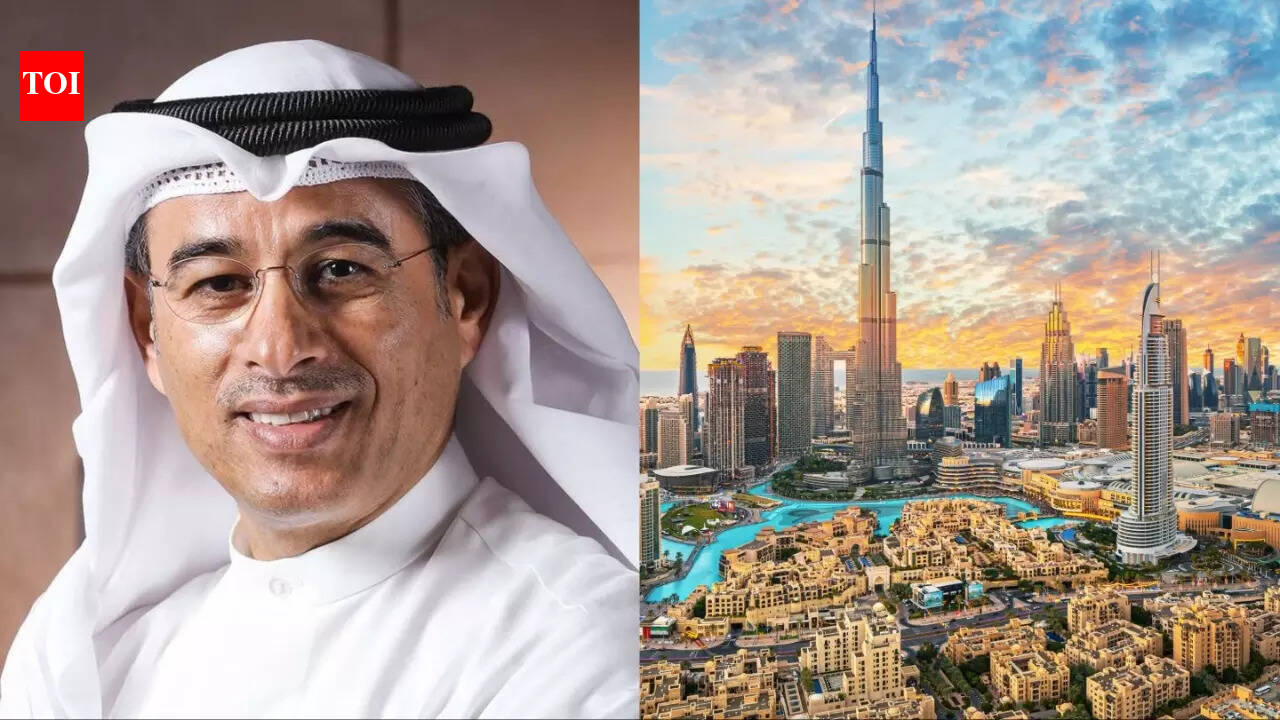
Emaar’s Founder Confidently Explains Why Dubai’s Real Estate Sector Is Safe Despite Iran and US-Israel Conflicts
Despite increasing geopolitical tensions in the Middle East, particularly the ongoing US-Israel conflict with Iran, Dubai’s real estate sector showcases remarkable resilience. Industry leader Mohamed Alabbar, founder of Emaar Properties, asserts that the Dubai property market faces “nothing to fear,” even amid these complex territorial concerns and an impending influx of new housing developments.
Resilience of Dubai’s Real Estate Amid Geopolitical Tensions
Alabbar’s optimistic remarks arrive during a period when investors are understandably apprehensive about potential fallout from rising regional conflicts. The financial markets in the UAE have shown signs of volatility due to heightened security concerns. Analysts warn that such geopolitical risks could pose a challenge to Dubai’s status as a premier investment destination. However, Alabbar emphasizes that the stability provided by the UAE’s leadership, forward-thinking planning, and robust economic foundations have consistently enabled the country to navigate global and regional crises effectively. These attributes bolster Dubai’s reputation as a secure haven for international capital and property investment.
A Welcomed Surge in Property Supply
Looking ahead, Dubai is poised to witness a significant uptick in property availability between 2026 and 2027. While some analysts express concerns that this increased supply might dilute property prices, Alabbar views the influx of new units as beneficial for the market. Rather than seeing it as a threat, he interprets this development as a normal aspect of the property cycle aimed at stabilizing price growth and promoting sustainable market expansion. His perspective highlights the importance of balanced growth over short-lived price fluctuations to ensure the long-term viability of the real estate sector.
Emaar’s recent financial disclosures align with this uplifting outlook. The developer reported unprecedented sales figures and robust revenue driven by persistent demand for residential and luxury projects throughout Dubai. The luxury segment, in particular, continues attracting a global clientele, with high-end property transactions reaching exceptional levels even amid regional unrest. This continued interest has been underscored by ultra-luxury apartment sales exceeding several million dirhams.
Magnet for Global Investors Despite Regional Strain
Dubai’s allure relies heavily on its favorable tax structure, modern infrastructure, and robust investment policies, all of which draw global investors seeking reliable returns. Over the past twenty years, Dubai has successfully evolved into one of the world’s most vibrant real estate markets. Nevertheless, experts caution that the sector is not immune to challenges. Factors such as prolonged geopolitical instability or decreased foreign investment could slow the momentum going forward.
Nevertheless, industry figures like Alabbar emphasize that Dubai’s real estate market is engineered for long-term strength, rather than short-term gains. A combination of strong demand, ambitious infrastructure initiatives, and a continuous flow of international capital positions the emirate’s property sector as critical to the UAE’s overall economic landscape.
As Dubai forges ahead, expanding its iconic skyline through innovative projects ranging from luxury waterfront estates to landmark developments, its real estate market continues to prove its capacity to endure global uncertainties and emerge even more robust. As a result, investors can look to the future with optimism, knowing that Dubai’s property sector remains a pivotal element in the region’s economic framework.