
Dubai Real Estate Transactions Exceed $4 Billion Amid Ongoing Iranian Attacks
Dubai has once again proven its resilience as a property investment hub, achieving over $4 billion in real estate transactions in just a week. Despite ongoing tensions and concerns related to missile and drone strikes from Iran, the market remains robust and continues to attract investors. According to data from the Dubai Land Department, the surge in activity underscores not only the stability of the Dubai property sector but also the appeal of the city as a safe investment environment.
Impressive Sales Figures Amidst Regional Tensions
Between February 28 and March 11, 2026, Dubai witnessed a remarkable influx of buyers purchasing a staggering 3,675 residential units, 444 buildings, and 395 plots of land. This activity was primarily driven by interest in residential flats, particularly in suburban and mixed-use areas throughout the city.
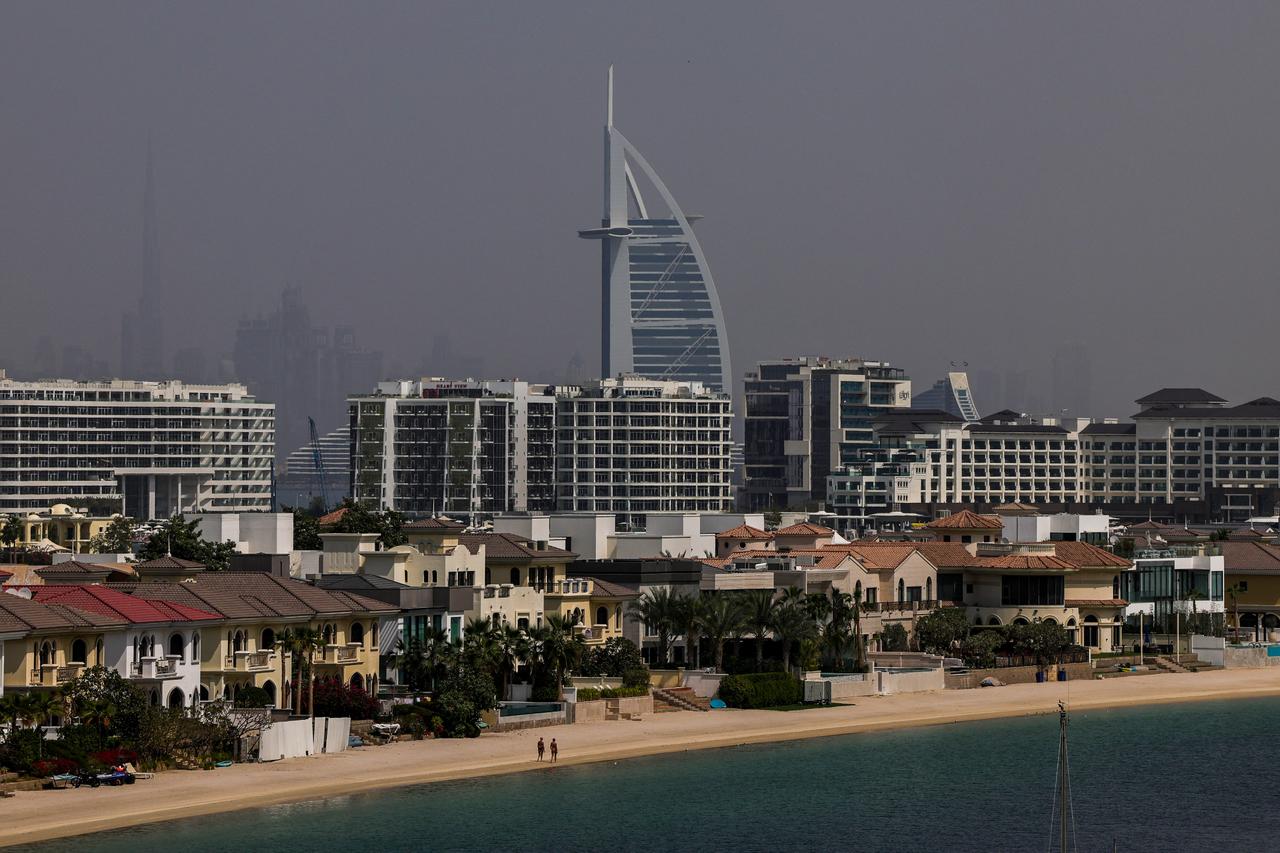
Luxury neighborhoods showcased significant transactions, most notably in Palm Jumeirah, which racked up AED 434.3 million (approximately $117 million) in sales shortly after a drone strike near the Fairmont The Palm hotel. This event injured several individuals and caused panic among residents, yet it did not deter wealthy investors. Similarly, Palm Deira led the weekly transactions with AED 435.9 million, highlighting the persistent demand in high-end real estate sectors.
Other substantial deals occurred in Madinat Al Mataar, which reached AED 308.7 million, and in Majan, where sales amounted to AED 250.1 million. These figures reflect the market’s sustained appeal, driven by recent visa reforms and the influx of international wealth. Noteworthy transactions were also seen in districts like Burj Khalifa and Dubai Marina, despite some disruptions due to security alerts.
Market Resilience Despite Financial Volatility
The property landscape in Dubai has thrived since the COVID-19 pandemic, with impressive growth rates leading to a record total of $147.4 billion in transactions in 2025 alone. However, the recent geopolitical unrest has caused fluctuations in the Dubai Financial Market, which has seen a decline of approximately 15% since tensions escalated. Developer shares have particularly taken a hit, leading the real estate index to drop around 20%.
While the stock market is seeing instability, experts in the real estate sector remain optimistic. Representatives from international real estate firms have reported steady activity among investors, with buyers from Turkey—one of the prominent countries for property investment—expressing their continued interest in the city. For example, Burak Ustaoglu, CEO of WovenInt, emphasized that normal operations resumed swiftly after the recent incursions, underscoring the effective response of local authorities.
According to Burak Guler, another industry expert, the only noticeable disturbance during this period has been the sound of intercepted drones. Guler stated, “This situation is viewed by many investors as a factor that strengthens confidence in Dubai’s security capacity.” This sentiment contributes to a sense of stability that many investors find attractive, relying on Dubai’s reputation for safety and operational continuity in the face of challenges.
The Role of Foreign Investment in the Future
As the UAE works towards accommodating a growing population, foreign investors and expatriates are becoming increasingly vital for sustaining demand in the real estate market. Economic analysts from Abu Dhabi Commercial Bank (ADCB) point out that the influx of non-resident buyers will be crucial in absorbing new real estate inventory, which is expected to increase significantly by 2028.
Overall, despite the ongoing geopolitical situation, Dubai continues to attract both local and international investments, reinforcing its status as a leading global property market. As buyer confidence remains steadfast, the outlook for Dubai’s real estate sector appears promising, with continued interest set to drive market activity in the coming months.