
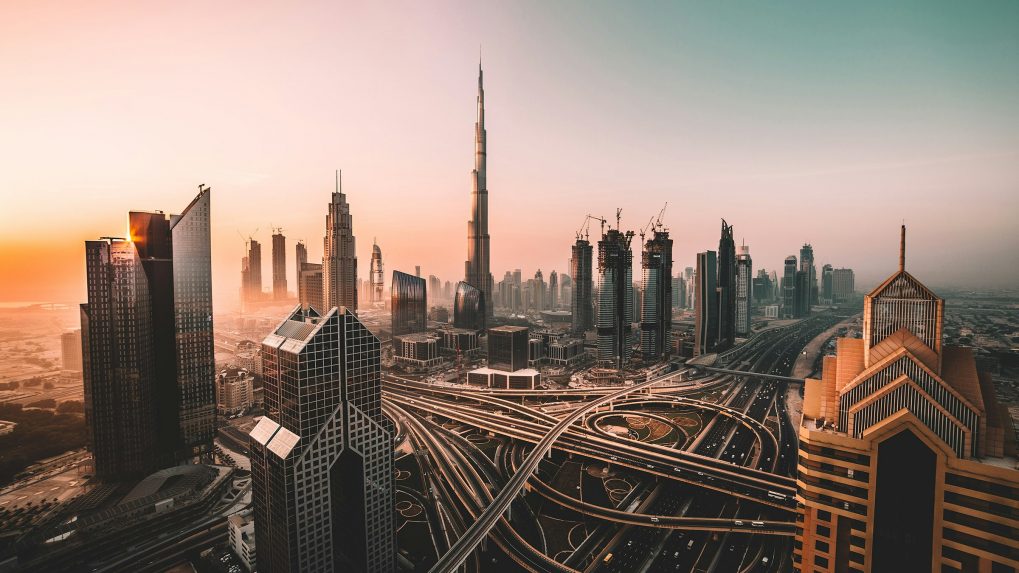
Dubai Real Estate Stays Strong Despite Tensions Between the US, Israel, and Iran
The ongoing tensions among the United States, Israel, and Iran are sending tremors through the Gulf region, significantly impacting Dubai’s real estate market. This market has long been promoted as a safe haven for investors during times of global unrest. As the situation develops, the question remains: will Dubai’s status as a refuge continue to hold strong?
Current Market Conditions: A Cautious Approach
So far, the impact on Dubai’s property market has been relatively muted. Price declines have yet to become widespread, and a mass exodus of investors is not yet evident. However, real estate brokers and market analysts are expressing concerns. They suggest that if hostilities escalate or endure, it could lead to diminished demand, particularly from foreign buyers who have been integral to the emirate’s residential growth.
High-profile investment from Indian celebrities underscores Dubai’s attractiveness as a second home. Noteworthy figures such as Shah Rukh Khan, Salman Khan, and Abhishek Bachchan have chosen Dubai for their luxury properties, indicating the emirate’s appeal to affluent individuals looking for lifestyle options. The presence of these stars adds an additional layer of allure to Dubai’s real estate offerings, particularly to potential investors from India and beyond.
Historical Context: Resilience in Times of Strain
Historically, when geopolitical tensions rise, Dubai’s real estate market has shown a tendency to hesitate rather than collapse. Buyers often pause to evaluate risks, while sellers resist lowering prices amid uncertain economic forecasts. Current market activity reflects a similar trend, as transactions slow down and investors exhibit more caution.
Some developers indicate that inquiries remain constant. However, the pace at which transactions close has become more deliberate. Newer investors, particularly individual buyers, seem more reluctant to make commitments at this time. Meanwhile, experienced buyers often view temporary volatility as an opportunity to negotiate favorable terms on high-value properties.
Market Dynamics: Investment Implications
Dubai’s property market saw unprecedented success in 2025, with a record $187 billion in sales across over 215,000 transactions. This remarkable growth was fueled by luxury developments and high demand from international buyers, particularly those looking for residency-linked investment options that offer promising rental yields. Yet, analysts caution that a prolonged regional conflict may disrupt this trajectory.
Though a sharp price correction is not anticipated, ongoing instability could prompt international investors to hesitate or renegotiate their transactions. Prolonged declines in property values or rental activity would likely necessitate a broader escalation of conflicts in the region to manifest fully.
Future Outlook: Cautious Optimism
Despite these uncertainties, Dubai maintains its inherent advantages: a favorable tax environment, relative political stability, and reputation as a financial and logistical center. Previous geopolitical tensions have often led to renewed investment once risks are perceived as manageable.
As a probable outcome, the market may experience a phase of moderation rather than outright collapse. This could manifest as reduced transaction volumes and more cautious behavior among buyers, with the overall market adapting to the prevailing geopolitical risks. The future of Dubai’s property market will likely depend more on external events than on immediate sentiment within the emirate.