
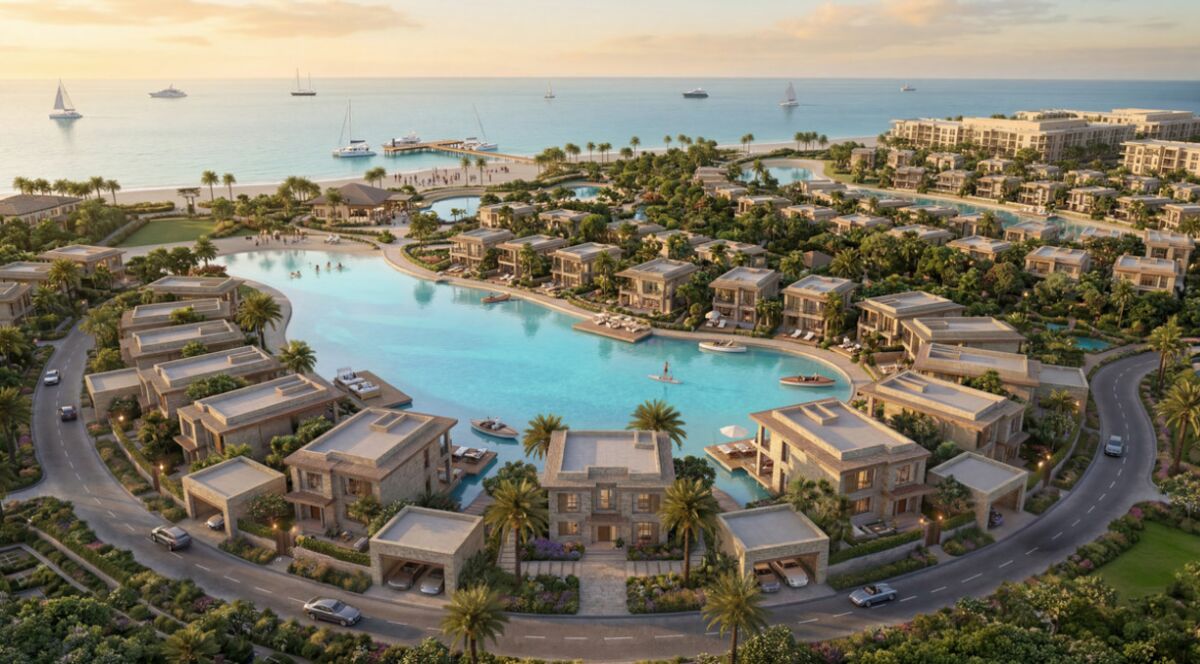
Dubai Real Estate Mogul Unveils $20 Billion Project in Syria
In recent weeks, Mohamed Alabbar, a prominent property magnate from Dubai, has explored the Mediterranean coastline near Latakia, Syria. This picturesque stretch of beach remains remarkably pristine, presenting a stark contrast to much of the country, which has endured significant turmoil over the past decade.
Discovering Syria’s Coastal Gem
As Alabbar walked along the shores, he witnessed a natural beauty that many might assume has been lost in the wake of the prolonged conflict. The crystal-clear waters and golden sands of Latakia hold a charm that beckons both local and international tourists. The potential for revitalizing the tourism sector in this region is immense, especially in light of its strategic location along the Mediterranean Sea, which has always attracted visitors.
His interest is not just in enjoying the scenery; it signals a potential investment opportunity. Alabbar’s ventures often aim to rejuvenate similar landscapes and communities that have been affected by instability. It seems he envisions a future where this beautiful coastline becomes a prime destination once more, fostering economic growth and stability in an area that desperately needs it.
The Impact of Investment on Local Communities
Investing in the coastal areas of Syria could pave the way for enhanced job opportunities and local economic development. Infrastructure improvements, such as hotels and recreational facilities, could revitalizing tourism, which has been largely dormant due to the ongoing conflict. As tourism reignites, local businesses can flourish, offering products, services, and jobs to the young population that yearns for a brighter future.
However, the path forward will not be without challenges. Political conditions in Syria remain complex, and foreign investments may face hurdles. It will require a concerted effort from both domestic and international stakeholders to ensure that any developments are sustainable and beneficial. Despite these obstacles, an influx of investment could foster hope and gradual recovery in a region that needs rebuilding.
Striking a Balance: Development and Preservation
While development is essential for economic growth, it must be balanced with the preservation of the area’s natural beauty. The ecosystem along Syria’s coastline is unique and fragile. Sustainable tourism practices should be prioritized to protect the environment while allowing for economic opportunities. Initiatives like eco-friendly resorts and conservation projects could ensure that natural resources are preserved for future generations.
As Alabbar contemplates his next steps, the focus must remain not just on profit but on fostering a sense of community and stewardship. Collaborating with local groups will be crucial in ensuring that developments represent the culture and identity of the region. By centering community needs in these plans, Alabbar and other potential investors can help create a tourism model that respects and enhances the local heritage.
In conclusion, Mohamed Alabbar’s exploration of Syria’s coastline illustrates a possible turning point for the region. By combining development with sustainability and community engagement, this scenic area could transform from a hidden gem into a vibrant hub for tourism and investment. As the world watches, there is hope that the shores of Latakia may soon tell a new story of recovery, opportunity, and prosperity amidst a challenging backdrop.