
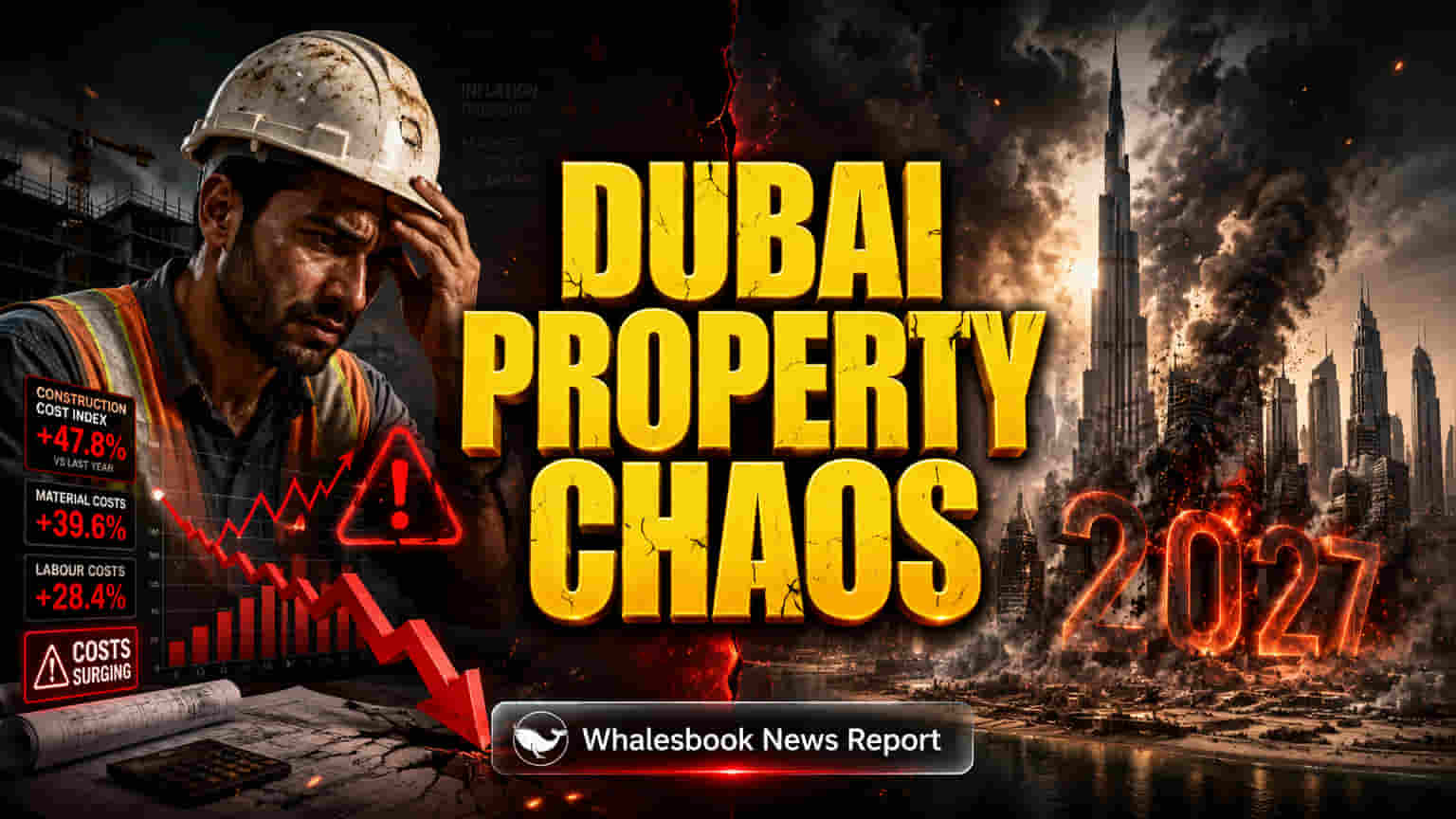
Dubai Real Estate Developments Encounter 6-9 Month Setbacks Due to Middle East Conflict
The ongoing conflict in the Middle East is having a profound impact on Dubai’s real estate sector, leading to significant delays and increased costs for development projects. With an estimated 45,000 residential units slated for completion in 2026, many of these projects are now anticipated to extend into 2027 or beyond. The challenges largely stem from disrupted supply chains, escalating material costs, and complicated shipping logistics, ultimately reshaping the landscape of Dubai’s property market.
Supply Chain Disruptions Affect Project Timelines
The conflict has caused considerable strain on supply chains, resulting in delays ranging from six to nine months for property delivery. Key materials such as high-quality ceramics and aluminum facade panels have seen price increases of up to 28%. The ongoing shipping complications, due to rerouted services, have also exacerbated transit times, pushing back project timelines. Major aluminum manufacturers in the region, including Emirates Global Aluminium and Aluminium Bahrain, have encountered production hiccups, further intensifying material shortages and driving costs higher for developers.
Finance Challenges in a Cautious Lending Environment
As the market grapples with these supply chain issues, developers are facing a tougher financing landscape. Banks are adopting a more conservative stance, tightening lending criteria and reconsidering their risk assessments, particularly for projects requiring escrow financing. According to Fitch Ratings, a prolonged regional conflict could adversely affect cash flow for real estate companies in the UAE, especially smaller firms that may struggle with rising upfront costs and increasing debt levels. This shift in banking sentiment has made obtaining loans for new developments significantly harder, prompting builders to prioritize financial stability over expansion initiatives, which may lead to a slowdown in new projects and land investments.
Comparison of Regional Markets: Saudi Arabia vs. Dubai
While Dubai navigates its current challenges, neighboring Saudi Arabia is experiencing robust growth fueled by its Vision 2030 strategy. The Saudi residential construction market is projected to flourish, driven by mega-projects like NEOM and increasing international investments encouraged by new foreign ownership regulations. Meanwhile, Qatar’s construction sector also anticipates growth, supported by its national development plans, though it faces its own set of issues, including fluctuating material costs. Despite these developments, Dubai retains its status as a leader in impactful real estate, even as it undergoes necessary adjustments to its market strategy.
Investor Hesitance Amid Early Project Vulnerability
Projects that are in the early stages of development are particularly at risk due to the heightened uncertainty. Currently, approximately 58% of active constructions are less than 20% complete, rendering them vulnerable to ongoing supply chain and labor issues. The geopolitical climate has introduced a noticeable slowdown in property sales and general investor interest, with entry-level sales in Dubai dropping by 40% in the last year alone. Off-plan properties are taking longer to market, and negotiations for price reductions have become more commonplace, indicating a cautious stance from buyers amidst market turmoil.
In summary, Dubai’s real estate sector is facing a confluence of challenges, requiring developers to shift their approach to maintain stability. While the city has historically shown resilience, the current mix of geopolitical risks, fragile supply chains, and restrictive financing conditions present significant hurdles for the property market. With a significant pipeline of over 482,000 units under construction, the capacity of the market to adapt and thrive during this correction period will be crucial to its recovery.