
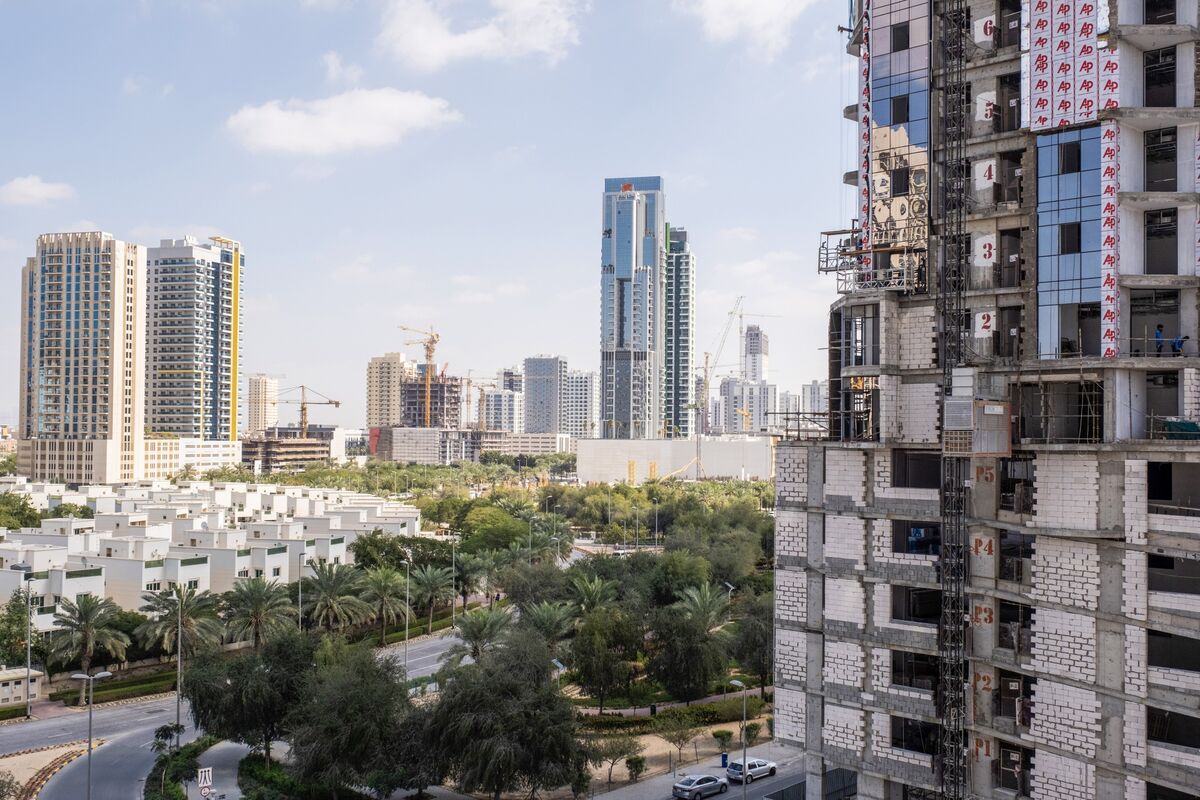
Dubai Property CEO Anticipates Slowing Growth in New Home Supply
The real estate sector in Dubai is experiencing rapid growth, but emerging challenges in construction and land costs are raising concerns about future housing supply. The CEO of Union Properties PJSC has voiced these worries, suggesting that rising expenses could hinder the availability of new homes in this flourishing market.
Impact of Rising Construction Costs
The construction landscape in Dubai has been significantly affected by soaring material costs and labor shortages. These factors have driven up the overall expenses associated with developing new residential projects. With construction prices on the rise, developers may think twice before embarking on new ventures, potentially leading to a decline in the number of houses entering the market. The implications of these cost increases are profound, as they may stall ongoing projects and delay the arrival of new homes, exacerbating the existing demand in Dubai’s real estate arena.
Land Prices and Market Supply
Simultaneously, land prices in Dubai have been escalating, creating a challenging environment for developers. As plots become increasingly expensive, the feasibility of new residential projects diminishes. High land acquisition costs can deter investment and limit the overall growth of housing supply. This could lead to a scenario where the rapid urbanization of Dubai is hindered, as the balance between demand for homes and available supply becomes skewed. Investors and homebuyers alike might experience difficulties finding affordable options as the market continues to tighten.
The Future of Dubai’s Real Estate Market
Looking ahead, the uncertainty surrounding construction and land costs raises questions about the sustainability of Dubai’s real estate market. A continued surge in prices could prompt policymakers to intervene, seeking ways to stabilize the market and ensure that housing remains accessible. Strategies may include regulatory adjustments or incentives aimed at encouraging construction despite rising costs. Stakeholders must keep an eye on economic indicators and consumer demand to gauge how these factors will evolve in the coming months.
Conclusion: Adapting to Changes
In conclusion, while Dubai’s real estate market remains vibrant, the challenges posed by rising construction and land costs can significantly impact future housing supply. Developers, investors, and policymakers must adapt to these changing conditions to maintain a healthy market dynamic. Failure to address these issues could lead to a housing shortage, which would ultimately affect the vibrancy and growth of the emirate. Collaboration among stakeholders will be crucial in navigating these challenges and ensuring that Dubai’s housing market can continue to thrive.