
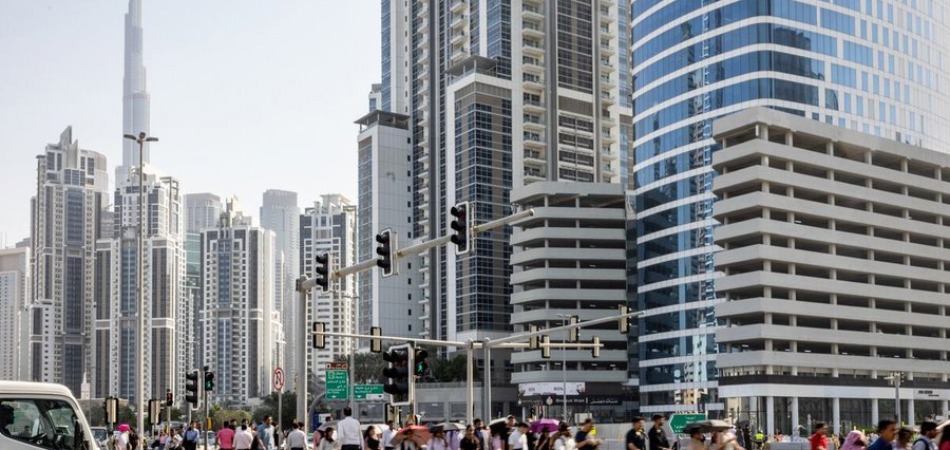
Dubai property bonds plunge further into troubled territory.
Bonds from property developers in Dubai have recently fallen deeper into distressed status due to escalating investor worries about credit integrity and refinancing challenges. This decline is largely attributed to the ongoing conflict in the Middle East, now in its fourth week. Analysts from Bloomberg emphasize that these issues were apparent even prior to the outbreak of hostilities, specifically concerning potential oversupply in the UAE’s residential real estate market. With property prices and rental returns under pressure, the war is only compounding these worries, leading to heightened anxiety among residents and diminishing Dubai’s reputation as a stable financial, logistical, and tourism center.
Market Vulnerability Intensified by Conflict
The prevailing conflict has exacerbated an already fragile market. Investors are increasingly apprehensive about the implications of a protracted war on property values and demand. Prior to the situation’s escalation, there were already indications of potential oversupply in the housing sector, suggesting that both pricing and rental yields could be jeopardized. The recent turmoil has triggered a wave of concern, not only affecting investor sentiment but also tarnishing the image of the UAE as a trustworthy locale for investments.
Borrowing Surge Before the Conflict
The rapid increase in borrowing among UAE real estate developers has raised eyebrows, with nearly $7 billion in bonds issued in 2025—more than doubling the figure from the previous year. In the initial months of 2026 alone, developers successfully raised $2.7 billion, hinting at a robust financial year ahead. However, with the early stages of the Iran conflict unfolding, this positive outlook has begun to wane, showcasing the fragility of the market.
Impact on Specific Developers
Some property developers have faced significant declines in their bond values. Notable examples include Sobha Realty, Binghatti Holding Ltd, and Arada Developments LLC, all of which have witnessed marked drops in their securities. Sobha Realty’s five-year green sukuk issued in September fell by 8.5% this month, while Binghatti’s corresponding bond is down by 7.8%. Arada’s bonds have also dropped by 6%. Expert Manuel Mondia of Aquila Asset Management suggests that while a correction was anticipated, current sentiments could worsen as foreign buyer interest diminishes.
Credit Rating Concerns and Mixed Responses
Fitch Ratings has raised flags over Binghatti’s credit situation, placing them on watch for a downgrade due to fears that ongoing conflict could dampen buyer interest, inflate unsold inventory, and elevate cancellation risks. Despite these concerns, Binghatti has taken a firm stance, asserting that its financial health remains stable. They claim that there has not been any significant change in key metrics such as sales, cancellation rates, pricing, or liquidity, even amidst the current uncertainty.
As geopolitical tensions continue, the fate of Dubai’s real estate debt market will heavily rely on the confidence of investors, accessibility to funding, and the conflict’s duration. Moving forward, a clear indication of how these elements interplay will be crucial for understanding the trajectory of the real estate market in this dynamic region.