
Can Dubai’s $250B Real Estate Market Withstand the Middle East Unrest?
The real estate market in Dubai, valued at an astonishing $250 billion, is currently navigating through a tumultuous geopolitical landscape. As tensions rise in the Middle East, many are left questioning the stability of this vibrant property market. Analyzing the current situation can shed light on the potential resilience and future of Dubai’s real estate sector.
Current Landscape of Dubai’s Real Estate Market
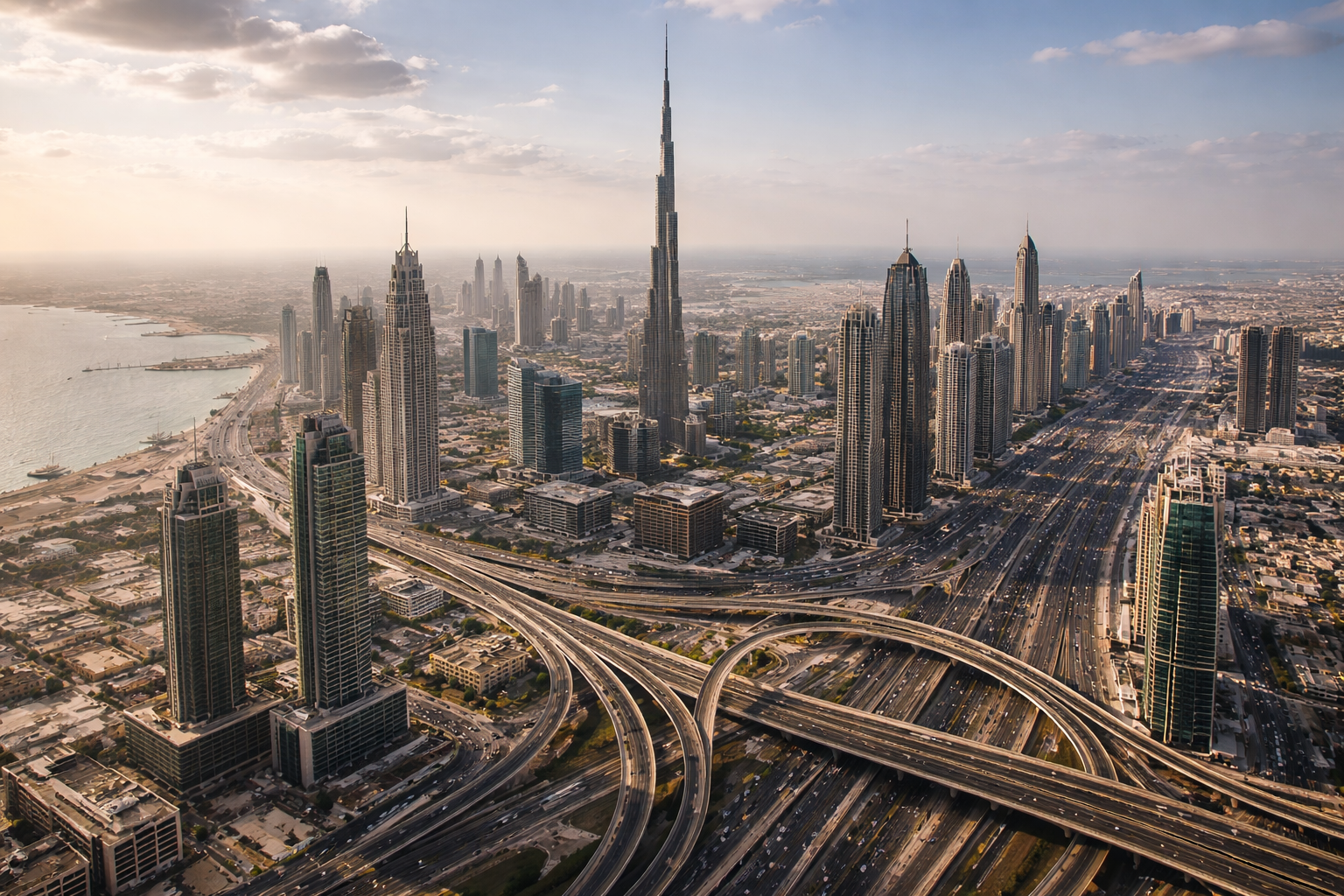
Dubai’s property market has shown remarkable growth over the past decade, driven by tourism, business expansion, and foreign investment. With its skyline punctuated by iconic structures, the city has become a magnet for high-net-worth individuals looking for luxury living or investment opportunities. However, the ongoing conflicts in the Middle East introduce uncertainties. Will investors remain confident in a region often seen as volatile? The next few months may reveal how the market reacts as geopolitical tensions persist.
Factors Influencing Market Stability
Several factors contribute to the resilience of Dubai’s real estate sector amid a backdrop of regional instability. The emirate’s strategic geographical location, positioned as a gateway between East and West, encourages international business. Additionally, robust government policies promoting economic diversification have bolstered investor confidence. These policies include visa reforms and attractive ownership laws, making it easier for foreign investors to plunge into the property market.
Furthermore, Dubai’s tourism sector plays a pivotal role in enlivening the real estate landscape. The city continuously attracts millions of visitors each year, creating a demand for rental properties and short-stay accommodations. Despite geopolitical tensions, Dubai’s status as a global tourist hub remains intact. Investors take into account not only immediate returns but also long-term growth potential, underlining the area’s appeal even when faced with external challenges.
Market Trends Amid Conflict
It is essential to observe current trends to gauge the market’s trajectory. One noticeable shift is the increasing preference for affordable housing options, as many prospective buyers seek value during uncertain times. Projects focusing on community living and sustainability are gaining traction. This hints at a possible pivot toward more economically viable properties, aligning with broader global trends in real estate.
Moreover, the high-end luxury sector is witnessing steady interest, fueled by affluent investors viewing Dubai as a safe haven for their investments. Such investors often look for secure assets, and Dubai’s properties, backed by a stable economy and transparent regulations, present a compelling choice even in challenging geopolitical climates.
In conclusion, while the geopolitical unrest in the Middle East raises valid concerns, there are several indicators suggesting that Dubai’s property market has the mechanisms in place to withstand these challenges. Its enduring appeal is reinforced by strategic positioning, attractive investment opportunities, and a robust tourism sector. As long as these elements remain intact, Dubai’s $250 billion real estate market may not only survive but thrive amid regional instability. Investors should remain vigilant, evaluating market conditions while taking advantage of emerging opportunities in this dynamic landscape.