
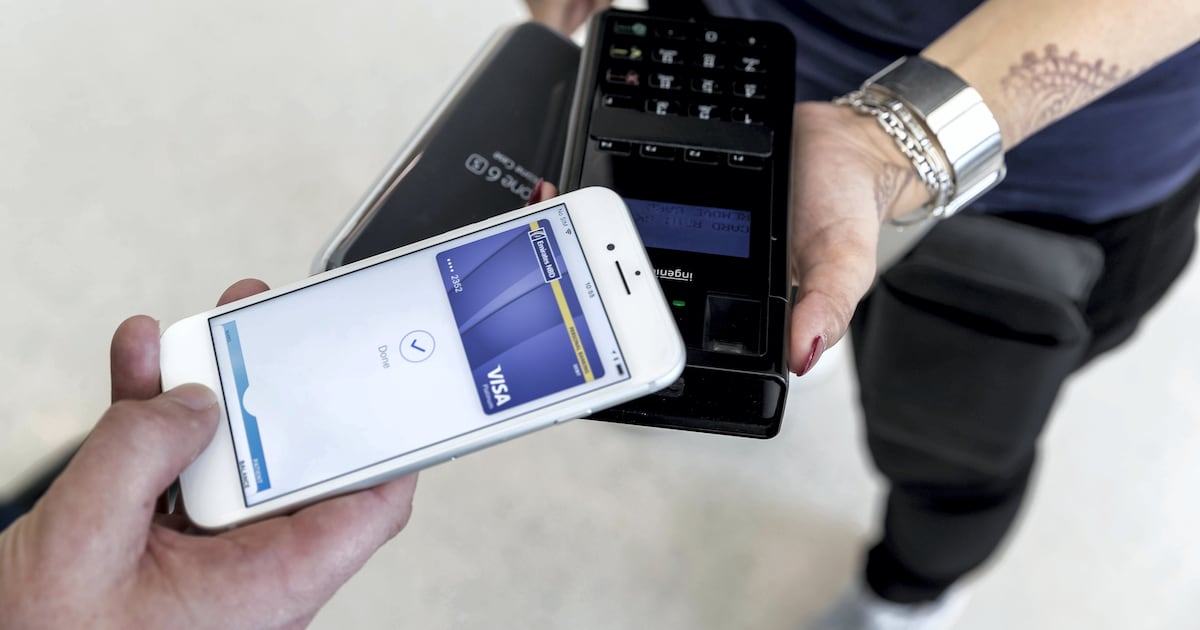
As Dubai’s real estate industry shifts toward tokenisation, what might a society without cash resemble?
Dubai is rapidly embracing cashless payment systems, with the government aiming for 90% of transactions to be electronic by the end of this year. This shift is not just a technological upgrade, but an integral part of a broader strategy to boost financial efficiencies and broaden market accessibility.
Real Estate Tokenisation: A Leap Forward
One of the cutting-edge innovations driving this transformation is real estate tokenisation, introduced by the Dubai Land Department through a pilot project in March 2025. Real estate tokenisation turns property ownership into digital tokens on a blockchain, which allows for fractional ownership. Stephen Flanagan, regional partner and head of valuation and advisory at Knight Frank, highlights that this initiative opens the market to a wider range of investors. “Tokenisation lowers the entry threshold, enabling investors to allocate smaller amounts across multiple properties instead of committing to a single unit,” he explains. This development not only enhances market accessibility but also fosters transparency and operational efficiency, as all transactions are securely recorded on the blockchain.
However, some experts express concerns about potential downsides. According to Prof. Hubert Pun from Western University in Canada, the new system could lead to real estate being treated as a “speculative asset.” He argues that this speculation might introduce significant fluctuations in property values, particularly affecting citizens in need of homes for living rather than investing. Alec Smith from Savills Dubai points out that speculation exists regardless of the presence of tokenisation, suggesting that the influx of new investors could potentially stabilize the real estate market.
Driving Towards Digital Payments
In October 2024, Dubai launched the Dubai Cashless Strategy, aimed at fostering digital transactions across both public and private sectors. The introduction of the Digital Dirham—a Central Bank Digital Currency (CBDC)—marks a significant milestone, officially becoming legal tender in late 2025. This initiative aims to streamline payments, making them not only faster but also more secure. The global trend towards digital currencies is evident, with many countries actively exploring or implementing their digital solutions.
Prof. Pun envisions a future where cash may gradually become obsolete, replaced by a landscape dominated by apps, credit cards, and digital assets. This digital shift promises several benefits, including improved tax compliance, lower transaction costs, and easier cross-border payments. Countries such as Saudi Arabia, Brazil, and India are already implementing government-led initiatives to promote cashless pathways, while nations like China have effectively transitioned to mobile payments, effectively leapfrogging to a cashless society.
However, the shift to a cashless economy is not without challenges, especially for small businesses that often face significant card-processing fees. These costs can compel some enterprises to maintain cash-only transactions. Prof. Alistair Milne points out that managing both cash and digital payments incurs additional complexities and expenses, making it easier for some businesses to opt for one or the other. Governments have attempted to safeguard access to cash by penalizing banks for failing to provide ATMs, but the challenge of ensuring cash’s continued acceptance remains.
Challenges and Concerns in a Cashless Society
Transitioning to a cashless society poses challenges for vulnerable groups, including the elderly, who may struggle with electronic payment systems. Additionally, without cash, simple budgeting strategies reliant on tangible money become difficult. For example, storing shopping funds in a biscuit tin will be rendered ineffective in a cashless landscape.
From a security standpoint, a shift away from cash has implications for financial crime prevention. Digital transactions leave a traceable digital footprint that can hinder illicit activities such as money laundering. However, individuals may be more susceptible to fraud in digital transactions, as Prof. Milne points out that it’s easier for one to transfer money electronically than to hand over cash to an unknown entity.
Finally, the risk of cybersecurity vulnerabilities cannot be overlooked. Professor Milne emphasizes the importance of having cash as a fallback during major digital breakdowns. A completely cashless environment makes society more susceptible to disruptions caused by cyber-attacks, which could now threaten the stability of the financial system. Authorities must consider these various aspects to foster a balanced and secure transition to a predominantly cashless future.