
2026 Outlook for Dubai’s Real Estate Market
Dubai’s property market has shown remarkable resilience, navigating through recent conflicts while experiencing significant demand. As the data reveals, January 2026 marked an unprecedented high for transactions in Dubai. The total transaction value hit an astonishing AED 72.4 billion, reflecting a 63% year-on-year growth, primarily fueled by a staggering 90% increase in the primary market. This trend highlights the ongoing strength in both the primary and off-plan segments, indicating a robust appetite from buyers.
Strong Buyer Demand Persists
In January, inquiries from new buyers surged over 25% when compared to December 2025. Notably, a significant portion of these inquiries originated from individuals earning above AED 40,000 per month, underlining the purchasing power driving this market. Furthermore, a remarkable 85% of transactions were executed by owner-occupiers. The positive momentum carried into February, as the transaction value climbed by an additional 19% year on year. Real estate in the commercial sector thrived even more, boasting a 118% growth. Mortgage Finder’s data reflected that 88% of clients were buoyed by a desire to purchase for personal living rather than purely as an investment. This indicates a market grounded in genuine demand, essential for sustainable growth.
Impact of Conflict on Market Dynamics
The situation changed in late February when regional conflicts began to emerge. Property Finder’s analysis for March highlighted the immediate impact on the market. While the overall transaction value saw an 8% drop year-on-year and a 19% decline month-on-month, the secondary market faced a more severe hit, contracting by 34%. Many buyers opted for caution, leading to 10% of contracts being canceled, and an additional 20% choosing to pause purchases. Interest rates also saw adjustments as mainstream lenders dropped loan-to-value ratios from 80% to 70%. Despite these challenges, the primary market continued to expand, with an 18% growth year-on-year, and off-plan properties witnessed a 20% increase, showcasing the resolve of buyers with a long-term vision for Dubai.
Signs of Recovery in April
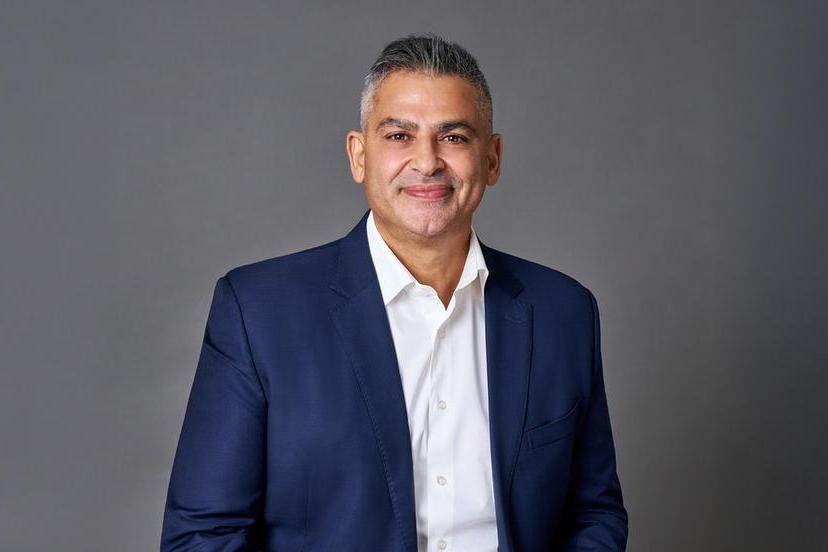
April provided a clearer picture of the market dynamics as it rebounded. The total mortgage value recorded by the Dubai Land Department reached AED 9.02 billion. Meanwhile, rental contracts saw a 16% increase year-on-year, signaling a return of movement among tenants who had previously hesitated during the conflict. Lenders, having tightened their criteria, began to revert to their pre-conflict policies, indicating a restoration of institutional confidence. Cherif Sleiman, Chief Revenue Officer at Property Finder, emphasizes that the fluctuations in March were not a signal of a failing market but a temporary hesitation by buyers making strategic decisions.
Long-Term Outlook and Structural Changes
From a structural standpoint, the property market is in a stronger position compared to last year. The Dubai Land Department has removed minimum property value thresholds for the two-year investor visa and has eased upfront requirements for the ten-year Golden Visa. These regulatory adjustments contribute to a favorable environment for growth and investment, providing a solid foundation for a data-driven recovery in the market.
In conclusion, the Dubai property market showcases an impressive ability to adapt and thrive despite external challenges. It is grounded in genuine demand, supported by favorable policy changes, and reflects a community of buyers with long-term commitment to the region. As the landscape continues to evolve, the future of real estate in Dubai remains bright and full of potential.