
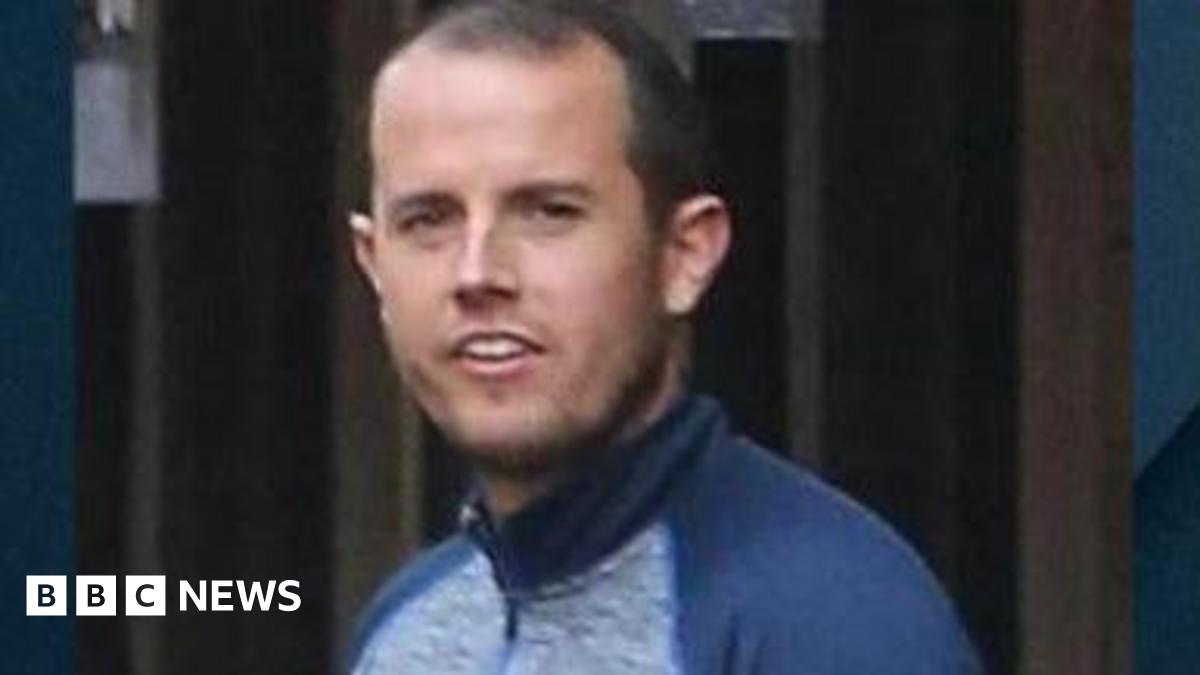
Kinahan gang: Encrypted messages vital in ‘senior lieutenant’ case
In recent investigations, encrypted devices have played a crucial role in uncovering criminal activities. Authorities have confiscated multiple devices from an individual named McGovern, shedding light on the intricate communications within organized crime groups. These encrypted channels facilitated criminals in communicating covertly, emphasizing the growing reliance on digital privacy tools in illegal endeavors.
Criminal Communication and Codenames
During the investigation, it was discovered that McGovern utilized the codename “Knife” when conversing with fellow criminals. This alias highlights the efforts made by criminal operatives to secure their identities while planning illicit activities. In one particular message, McGovern ominously noted, “All weasels get caught in the end,” suggesting a mindset steeped in paranoia and self-preservation amidst the turbulent world of crime. Such statements not only reveal the mentality of those engaged in these activities but also serve as a reminder of the risks they take in their desperate pursuits.
Tracking and Surveillance Strategies
The texts retrieved from McGovern also indicate that he was actively sharing tracking information regarding a target named Gately with his associates. This exchange of information underscores the calculated planning that often characterizes organized crime operations. An additional layer of complexity emerged through the communications of another individual, Imre Arakas, who was in contact with a high-ranking member of the Kinahan crime syndicate. Their discussion included specific strategies for targeting Gately, with Arakas suggesting that using a silencer would be most effective. He noted, “if picture on Google is the same as in real life it could be one shot to the head and that’s it,” reflecting a chilling level of premeditation in their plans.
Arrests and Implications
However, the plot took a turn when Arakas was apprehended by authorities, thwarting the planned attack on Gately. Following his arrest, he faced charges for conspiring to commit murder, indicating that law enforcement is making strides in disrupting organized crime networks. Meanwhile, McGovern and his associates continued to express concerns about potential informants within their ranks, referred to as “rats.” In a text, McGovern stated, “Me and you ain’t any rats we are the ones up to our bollox in it,” illustrating the distrust and paranoia prevalent in their discussions.
In another exchange, an associate hinted at a timeline for their plans, stating they would “have mago within two to four weeks.” To this, McGovern responded enthusiastically, proclaiming it would be “the best news of the year” once everyone remained safe. This exchange demonstrates the continuous plotting and adaptation that characterizes their criminal endeavors, highlighting the lengths individuals will go to in their pursuit of illicit goals.
Shifting Strategies and Future Plans
After the thwarted efforts to execute their plan, an associate suggested a need to alter their tactics, to which McGovern responded, “100pc or all going to jail with stitch ups mate.” This statement encapsulates the precarious nature of their operations and the constant fear of being apprehended. The dialogue reveals a network that is not only focused on immediate goals but is also contemplating the broader implications of their actions in a tightening law enforcement environment.
The series of communications seized from McGovern and his associates illustrates the intricate and often disturbing world of organized crime. As law enforcement continues to crack down on such networks, the reliance on encrypted technology poses both a challenge and an opportunity for authorities seeking to combat these criminal enterprises. The developments in these cases serve as a reminder of the ever-evolving landscape of crime and the continuous effort needed to stay ahead of illicit activities.