
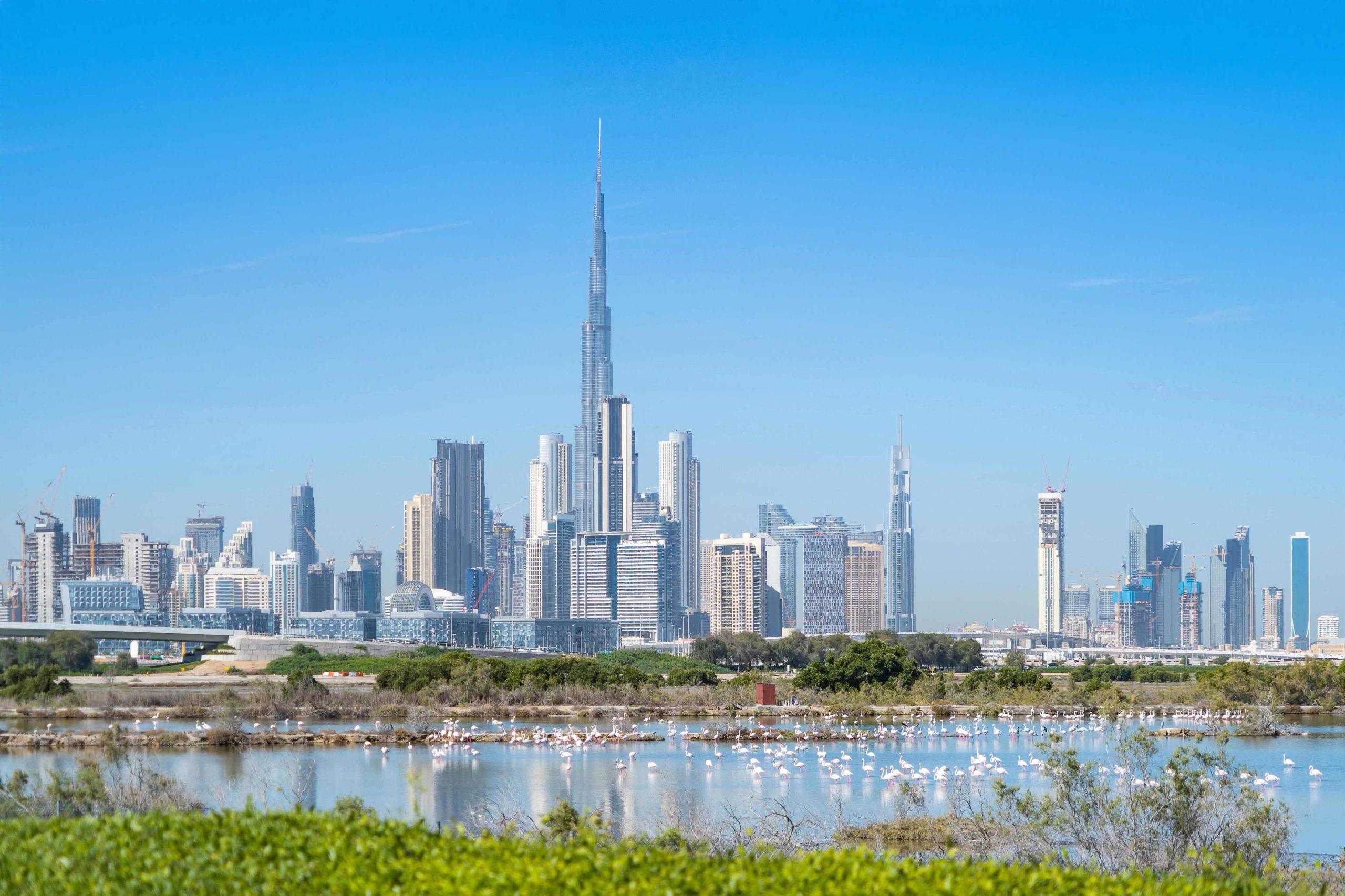
Five Dubai Areas Influencing UAE’s Wellness-Centric Real Estate Market
Dubai’s real estate scene is undergoing a significant transformation, moving away from solely luxury investments towards a focus on wellness and sustainable living. Investors and homebuyers are now prioritizing environments that foster health, community interaction, and access to nature. This shift has resulted in an increasing demand for developments that offer low-density housing, integrated amenities, and green spaces.
Growth in Real Estate Investment
According to the Dubai Land Department, the trend towards wellness-oriented properties is reflected in the growing number of investors entering the market. In the first half of 2025, Dubai welcomed roughly 94,700 investors, representing a 26% increase from the same period in 2024. These investors participated in over 91,000 residential transactions, totaling AED 262.1 billion—a remarkable 36.4% rise year-on-year. This data illustrates a robust appetite for high-quality housing aligned with healthier lifestyles.
Top Wellness-Focused Neighborhoods
A recent examination by Emirati real estate developer Amaal identified five neighborhoods that are leading the charge in Dubai’s wellness-oriented real estate landscape. These areas highlight a combination of green spaces, wellness facilities, and thoughtfully planned layouts, catering to health-conscious buyers.
-
Meydan (Nad Al Sheba): Meydan stands out for its low-density design and abundant green corridors, making it a haven for wellness-oriented living. Residents enjoy walkable streets intertwined with parks and sporting facilities. Recent data shows that apartment prices in Meydan have surged to AED 1,543 per square foot in Q3 2025, reflecting ongoing interest in this well-planned area. The district is attracting off-plan buyers, indicating strong confidence in its future infrastructure and livability.
-
Mohammed Bin Rashid City (MBR City): MBR City is a model for family-friendly living that integrates luxury villas with abundant green spaces and pedestrian-friendly pathways. This community has recorded significant high-value sales, particularly in Q3 2025, emphasizing its appeal to those balancing urban convenience with green living. The district’s strategic location close to Downtown Dubai enhances its attractiveness.
-
Dubai Hills Estate: This development is synonymous with suburban wellness, featuring a central park, golf course, and interconnected amenities such as schools and retail options—all within a walkable environment. The demand here is evident, with occupancy rates for rentals around 86.5% in early 2025. Families searching for a holistic community experience are drawn to the advantages that Dubai Hills offers.
-
Palm Jumeirah: Known globally for its luxury, Palm Jumeirah also emphasizes a wellness-oriented lifestyle. The area’s waterfront villas and landscaped pathways provide ample opportunities for outdoor activities and relaxation. The limited availability of new plots contributes to its long-term value, appealing to buyers seeking a lifestyle focused on health and recreation.
-
Emirates Hills: As one of the most exclusive neighborhoods in Dubai, Emirates Hills features beautifully landscaped villas with private gardens and pools. Its low-density structure offers a tranquil environment, making it perfect for those who value privacy along with urban accessibility. The area boasts some of the highest property values in the emirate, confirming its reputation as a top choice for luxury seeking buyers.
Future Trends in Dubai Real Estate
As the landscape of Dubai’s real estate continues to evolve, a stronger emphasis on wellness, sustainability, and community integration is becoming increasingly significant. With over 61,800 residential units currently under construction in 2025, neighborhoods that prioritize green infrastructure and livability are set to lead the market. This marks a pivotal transition in Dubai’s residential development, steering focus towards a lifestyle that aligns health, environment, and community living.
As this trend gains momentum, it will likely redefine the dynamics of the property market, setting the stage for a new era of living that prioritizes well-being and connection.