
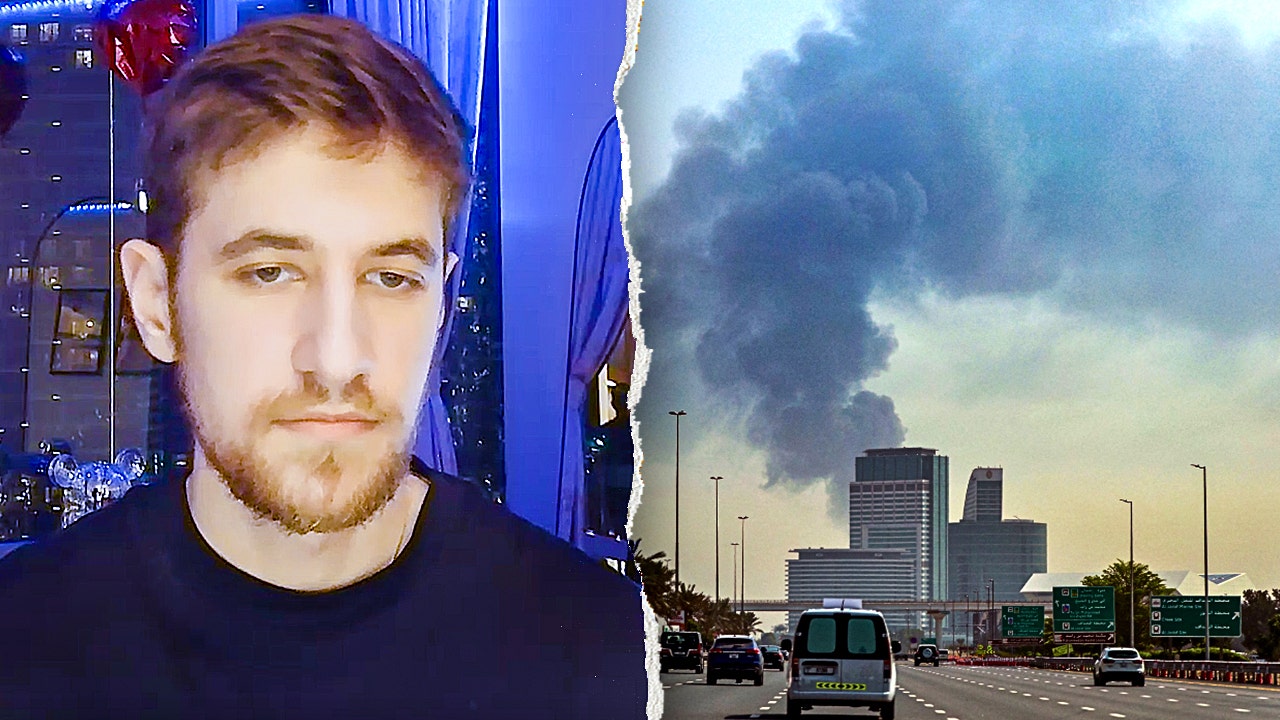
Dubai influencers claim city is safer than US amid Mideast violence.
As tensions rise in the Middle East, influencers and residents in Dubai discuss their experiences living in this luxury destination amid ongoing conflict. With the recent escalation of violence, many are shocked to learn that life in the city continues largely unchanged. This article explores the perspectives of several influencers who remain in Dubai and their views on safety and the character of the city.
Influencers Share Their Experiences in Dubai
Mike Babayan, a financial influencer from Los Angeles, has been living in Dubai since 2020. He emphasizes the confidence he feels while living in the city, claiming that one could carry large amounts of cash without fear. “I don’t think I could ever do that in a major U.S. city,” he stated. Babayan has noted the calm atmosphere in Dubai even following recent attacks, asserting that the city’s reputation for safety remains intact. “There’s this whole notion going around that what used to be the safest place in the world is no longer safe. But I think nobody really feels that’s changed,” he contends.
On the other hand, Hofit Golan, an influencer specializing in longevity and biohacking, shares a slightly different outlook. Originally from Israel and raised in Canada and the U.S., she notes that Dubai feels quieter, reminiscent of lockdown days. While tourism has diminished, Golan appreciates the “stillness” in the city due to Ramadan. However, unlike Babayan, she mentions her sense of unease during the attacks but underscored that the government’s efficient communication and response system has alleviated some of her fears.
Government Response to Escalating Tensions
The U.S. government is advising its citizens to leave the Middle East as conflict intensifies and air travel becomes increasingly complicated due to closed airspaces. Many Americans find themselves stranded with limited options, particularly as Iranian missile attacks target locations within the United Arab Emirates. The U.S. State Department’s warning comes at a time when ongoing conflicts disrupt traditional evacuation routes.
Despite the warnings, Babayan insists that life continues as usual for most residents. “If you look out the window, people are walking the streets, cars are packed,” he notes, reflecting a sense of normalcy. Nevertheless, the evenings of the attacks offered a clear sense of reality; hearing interceptions firsthand was a sobering experience for him.
The Impact of Misinformation and Regulation
In the UAE, authorities have stringent regulations against spreading misinformation, particularly during times of crisis. Golan recognizes the rationale behind these rules, emphasizing the potential dangers of unverified information during sensitive periods. Both Golan and Babayan indicate that many influencers acknowledge these regulations and strive to communicate responsibly with their audiences.
As conflicts escalate, social media platforms are flooded with content depicting soothing imagery of Dubai accompanied by reassuring messages from locals. This has raised questions about whether these posts serve as genuine peace-of-mind gestures or as attempts at propaganda to maintain a façade of safety amid chaos.
In conclusion, while Dubai faces challenges due to regional conflicts, the city continues to be a place where influencers and residents assert their confidence in safety. Their perspectives highlight a complex balance between personal experience and broader societal narratives in times of conflict. Despite uncertainties, these influencers emphasize resilience and community, making Dubai a unique focal point during turbulent times.