
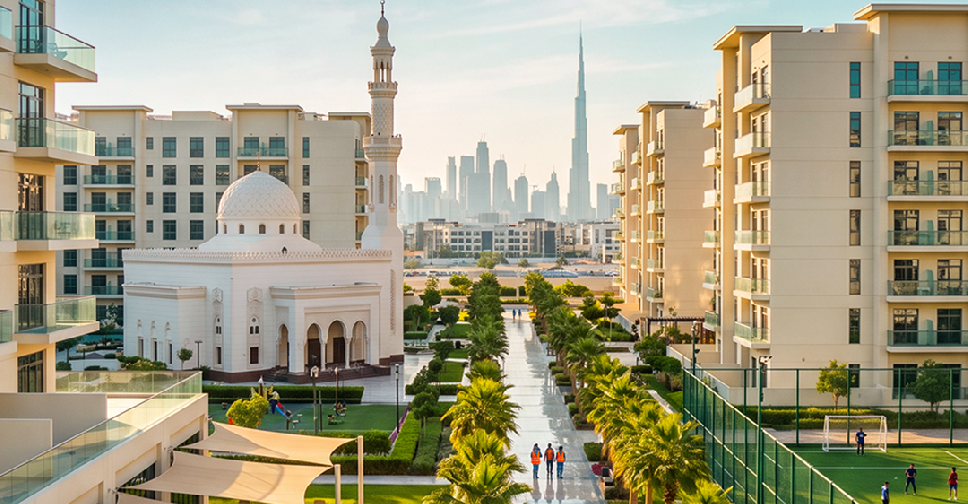
Dubai enhances quality of life in workers’ neighborhoods.
Dubai Municipality recently unveiled a set of strategic projects designed to enhance living conditions, improve quality of life, and promote sustainability in workers’ communities throughout the emirate. Collaborating with various government partners, these initiatives align with the city’s Workers’ Accommodation Policy, ensuring that residents enjoy safer and more sustainable environments.
Infrastructure Upgrades and Community Enhancements
The newly implemented projects encompass significant infrastructure improvements, building enhancements, and the introduction of new community and recreational facilities. These developments aim to foster safe, vibrant living spaces tailored to the needs of workers. A notable advancement is the establishment of a comprehensive shared database that consolidates data on workers’ residential areas. This new resource will serve government entities by providing critical performance indicators and planning tools essential for future development efforts.
In keeping with the emphasis on sustainability and worker well-being, Dubai Municipality has introduced a unified smart classification system specifically for workers’ accommodation. As part of ongoing efforts to ensure safety and compliance, inspections have been conducted on 1,417 buildings, evaluating their structural integrity as well as adherence to health and safety regulations. This systematic approach ensures that all living facilities meet the necessary criteria to support the residents’ needs.
Recognizing Standards in Workers’ Accommodation
As part of the Model Workers’ Accommodation initiative, Dubai Municipality has acknowledged 19 facilities that have excelled in meeting high-quality standards. Among these, three accommodations have achieved Platinum ratings, while nine facilities received Gold ratings, and seven were designated Silver. This recognition is a testament to the commitment to providing workers with high-quality living conditions.
Furthermore, field surveys are underway to evaluate infrastructure within workers’ areas, identifying needs such as pedestrian pathways, bridges, and pavements. The Municipality is prioritizing these improvements while also exploring enhanced parking solutions to benefit the communities further. An updated set of planning and design standards for workers’ accommodation has been established, specifying a minimum living space of 3.7 square meters per person, with total floor area allocations ranging between 8.9 and 10.3 square meters per resident.
Future-Focused Urban Development
These standards also mandate the inclusion of dedicated recreational facilities and outdoor spaces, creating a balanced environment that promotes both relaxation and activity. Dubai Municipality emphasizes a data-driven approach to ensure that its initiatives align with the goals of the Dubai 2040 Urban Master Plan and the Dubai Quality of Life Strategy for 2033.
The broader program encompasses plans for new retail outlets, community centers, and sports facilities, thus enhancing workers’ access to shopping, recreational activities, and physical wellbeing within their living areas. The overarching aim is to create well-planned, inclusive residential environments that prioritize the health, wellbeing, and overall quality of life for the resident workforce.
By focusing on development that combines safety, sustainability, and a sense of community, Dubai Municipality is paving the way toward a future where workers’ communities thrive in a holistic and enriching environment.