
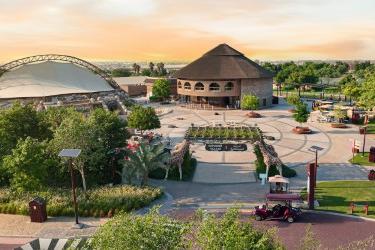
Blue Zones Inspire Sustainable Living in Dubai
Exploring Blue Zones: A Blueprint for Healthy Communities in Dubai
Recent scientific research has identified specific regions around the world known for their residents living long and healthy lives, referred to as “blue zones.” This concept has become pivotal in understanding how the natural environment contributes to longevity and well-being. One of the most notable names associated with blue zones is Dan Buettner, a National Geographic Fellow who first investigated these areas in the early 2000s. His findings have led to the creation of communities designed to promote better health and well-being, particularly exemplified by a groundbreaking development in Dubai.
The Concept of Blue Zones and Longevity
Buettner’s exploration initially focused on the Japanese islands of Okinawa, where researchers found that a unique combination of lifestyle, diet, and social factors contributed to the longevity of its inhabitants. Following this initial study, Buettner collaborated with a team of scientists to identify other global locations where similar health and longevity trends were observable. Alongside Okinawa, communities like Sardinia, Costa Rica’s Nicoya Peninsula, Icaria in Greece, and Loma Linda in California emerged as blue zones. Each of these areas offers valuable insights into crafting healthier living environments.
The influence of these blue zones can be seen in innovative architectural and community-design initiatives, such as Keturah Reserve in Dubai. Developed by Talal M. Al Gaddah, the Keturah luxury brand aims to integrate the principles of blue zones within the framework of urban living, promoting a lifestyle where nature and healthy habits are seamlessly woven into daily activities.
Keturah Reserve: A Natural Approach to Luxury Living
Keturah Reserve is designed to reflect the essence of biophilic living. With an investment of AED 5.7 billion, this bio-living community aims to not only provide luxurious amenities but also foster an environment conducive to health and wellness. Situated in Mohammed Bin Rashid City, the project stands as a testament to Dubai’s commitment to incorporating nature into urban planning, thus enhancing the quality of life for its residents.
Revealed at the recent World Governments Summit, the Dubai Municipality has introduced a comprehensive Blue and Green Spaces Roadmap. This initiative includes over AED 4 billion in projects dedicated to sustainable urban development over the next five years. Plans to plant an impressive 1.5 million trees, establish 120 parks, and create sports and recreation spaces showcase Dubai’s ambition to become a leader in global sustainability.
Integrating Health and Community
Keturah Reserve prioritizes natural elements such as air, water, and light, essential for human health. The development features cutting-edge air purification systems designed to eliminate harmful pollutants and pathogens often found in traditional buildings. Advanced water treatment processes ensure the provision of safe and clean water, while the lighting within the community simulates natural daylight, supporting residents’ circadian rhythms and overall well-being.
The community also offers family-friendly amenities, including safe play areas, educational centers, and active learning spaces. Educational daycare and opportunities for outdoor engagement are meticulously designed to stimulate growth and development for children of all ages.
As the demand for wellness-centric properties continues to rise, it has been observed that homes in these types of developments can command price premiums ranging from 15% to 25%. As the market shifts towards valuing long-term health and well-being, innovative designs that integrate nature and community elements become not just trends, but essential features for luxury buyers.
In conclusion, Dubai’s Keturah Reserve exemplifies how innovative community design can be inspired by the principles of blue zones, promoting healthier lifestyles through nature-integrated living. As urban areas continue to evolve, initiatives like these may offer a roadmap for creating environments that prioritize well-being and longevity for future generations.