
UAE Minister: Iran Shouldn’t Compromise Global Economic Stability
Iran’s Actions Must Not Threaten Global Stability
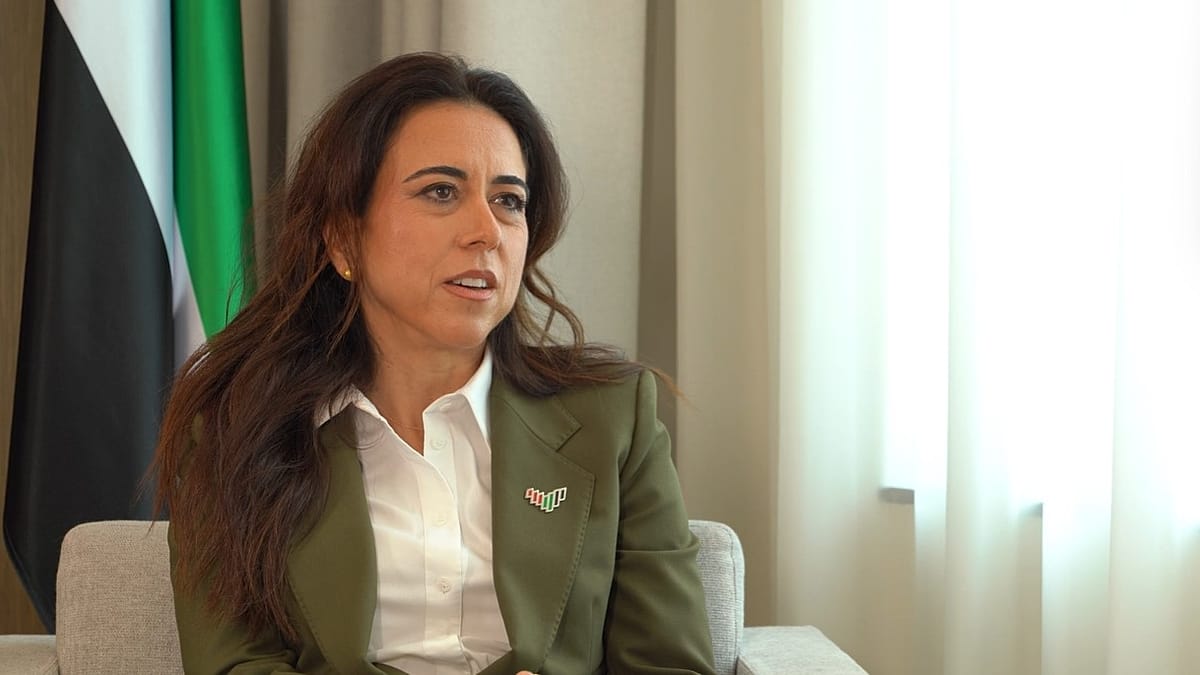
In a recent conversation with Euronews, UAE Minister of State Lana Nusseibeh emphasized the need for international vigilance against Iran’s disruptive actions. She asserted that the behavior of Iran, which she referred to as “rogue state behavior,” should not be allowed to jeopardize global economic stability and security. Her remarks hold significant implications as tensions rise in the Middle East, leading nations to reassess their foreign policy under the shadow of Iran’s activities.
The Need for Collective Action
Nusseibeh called for a unified response from the international community to address Iran’s provocative behavior. She urged that the stability of the global economy is at stake, with potential repercussions for trade and diplomatic relations worldwide. The UAE, as a vital player in the Gulf region, is keenly aware of how Iran’s actions can affect not only its national security but also the broader economic landscape. By fostering collaborative efforts among nations, the UAE aims to build a strong front that deters Iran from continuing its disruptive tactics.
Impact on Regional Security
The Middle East has long been a hotspot for geopolitical tensions, with Iran often at the center of various conflicts. Nusseibeh highlighted that Tehran’s aggression undermines regional stability, affecting countries and communities far beyond its borders. With its influence spanning various militia groups and its involvement in ongoing conflicts, Iran poses a significant challenge to peace. The minister’s insights stress the necessity for a coordinated strategy to safeguard regional interests, thereby promoting a more secure environment for both local and international stakeholders.
Evolving International Relations
The evolving dynamics of international relations demand new approaches to diplomacy in light of Iran’s activities. Nusseibeh’s statements reflect the urgency for nations to rethink their alliances and strategies. As global economic interdependence grows, the repercussions of Iran’s destabilizing actions could be felt across various sectors, from energy markets to financial systems. Countries must remain vigilant and proactive in their diplomatic engagements to counteract the potential fallout from a more aggressive Iranian stance.
In summary, Lana Nusseibeh’s call for global awareness regarding Iran’s actions serves as a critical reminder of the interconnectedness of international relations and economic stability. As communities around the world feel the impact of rising tensions, it is imperative for states to unite in their response. Only through collaboration can the international community hope to mitigate the risks posed by a rogue state and ensure lasting peace and stability in the region.