
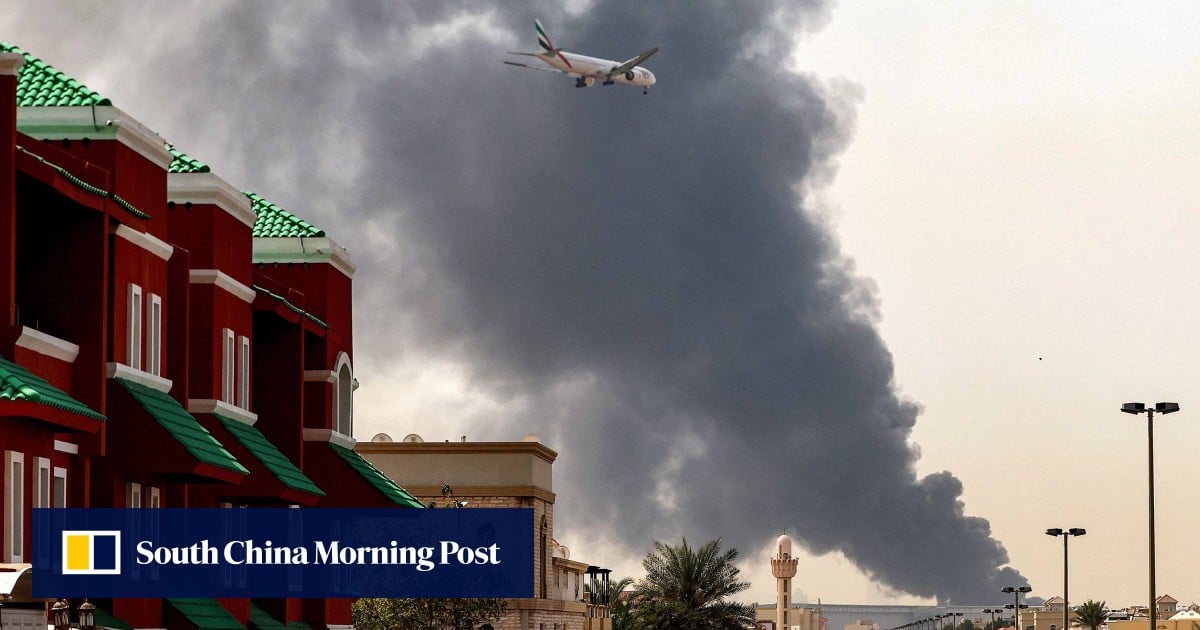
UAE Cuts Off Iran’s Economic Support After Attacks
The United Arab Emirates (UAE) has recently enacted measures in response to ongoing air strikes from Iran targeting its industrial infrastructure. In a strategic move, the UAE is tightening its economic connections with Iran, a nation already struggling under heavy sanctions. This new policy signifies a shift in the UAE’s diplomatic stance while maintaining a primarily defensive posture.
Entry Restrictions for Iranians
In a significant development, the UAE has implemented a ban restricting most Iranian citizens from entering the country or passing through its airports. This move silently rolled out earlier this week, sparking concern among both the Iranian expatriate community and Iranian officials. The UAE is home to a sizeable Iranian population exceeding half a million, many of whom hold influential ties to the Iranian government.
The new entry restrictions have been communicated predominantly through social media, allowing the news to spread rapidly without official announcements. Residents and travelers have expressed anxiety about potential mass expulsions, worrying that this decision could affect their livelihoods and connections to families back home.
Exemptions and Criteria
Despite the broad ban, the UAE has made exceptions for Iranians holding long-term residency visas. This includes property owners, business investors, skilled professionals, and the immediate family members of Emirati citizens. The move appears to target individuals involved in economic activities while controlling the flow of individuals from Iran under changing geopolitical conditions.
This differentiation highlights the UAE’s focus on safeguarding its economic interests while being cautious about national security. The goal appears to be minimizing risks without escalating tensions further in a volatile regional climate.
Government Response and Community Concerns
In an effort to quell the growing unease among the Iranian expatriate community, the UAE’s foreign ministry issued a statement assuring the public that the processes guiding these policies are rooted in established frameworks designed to uphold safety and welfare for all citizens and residents. This statement aims to reassure both Emirati nationals and expatriates that there is an organized structure behind the new restrictions.
However, the uncertainty surrounding the future of Iranian nationals in the UAE remains palpable. Many residents worry about the long-term implications of these regulations on their communities and family ties. The situation illustrates the complexities of diplomacy in the region, particularly as the UAE navigates its relationships with neighboring states while addressing internal security concerns.
In summary, the UAE’s recent measures against Iran reflect a calculated approach to security and economic management amid ongoing regional tensions. With many Iranians living in the UAE deeply intertwined with local society, the fallout from this ban raises pertinent questions about future relations and community stability. As this situation develops, both governments and expatriates will be closely monitoring the impacts of these evolving policies.