
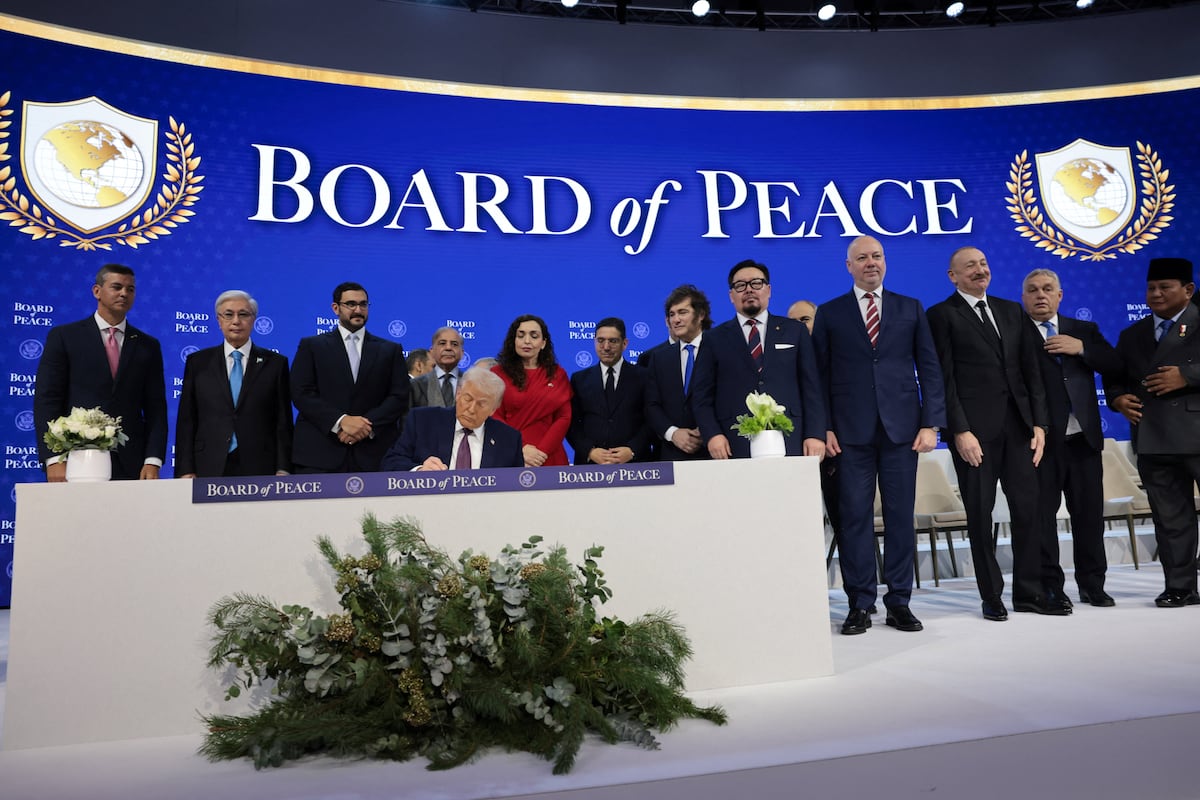
Trump Administration Promotes a ‘Dubai-Style’ New Gaza Economic Plan
In a recent presentation at the World Economic Forum, Jared Kushner, President Donald Trump’s senior advisor, introduced a controversial plan for a “new Gaza.” This proposal is framed as an opportunity for economic development, aiming to reshape the devastated region into a bustling hub reminiscent of Dubai or Singapore. Amid ongoing conflict, the plan outlines a future featuring waterfront skyscrapers, a transportation hub, and a vibrant free-market economy. However, this ambitious vision comes only days after violent unrest in Gaza, underscoring the dramatic contrast between Kushner’s vision and the harsh realities on the ground.
The Current State of Gaza
The Gaza Strip, home to over two million residents, has faced unyielding turmoil. Just recently, Israeli military actions resulted in the deaths of 16 Palestinians, including journalists. Humanitarian agencies reported a tragic case involving a three-month-old baby who succumbed to hypothermia while aid is being blocked by military authorities. The circumstances for residents have barely shifted since a ceasefire was established last October, with ongoing strikes creating an atmosphere of persistent danger. Kushner’s presentation seemed increasingly disconnected from the current local conditions as he unveiled plans for a revitalized urban landscape.
The Blueprint for Revitalization
Kushner’s vision includes the development of over 100,000 residential units, principally in the devastated areas of Rafah, ultimately aiming to extend these projects to Gaza City. The proposal includes the complex task of achieving the demilitarization of Hamas, a condition newly woven into the framework despite not being part of the initial plan. While Kushner emphasizes the American commitment to facilitate a beautifully reconstructed Gaza, the practicality of these undertakings remains questionable, especially given the precondition of disarmament.
The Role of International Forces and Local Dynamics
The second phase of Kushner’s plan involves deploying a multinational military force to support security efforts. Yet, this component has seen diminishing presence in public discussions, reflecting potential hesitance from the international community to become embroiled in the conflict. Israeli President Yitzhak Herzog recently acknowledged the reluctance of foreign nations to intervene militarily, leaving Israel to bear the burden of military action. Meanwhile, tensions remain between Israel and Hamas regarding the terms for disarmament, complicating any progress on reconstruction initiatives.
In the backdrop of these plans, the humanitarian crisis in Gaza continues to escalate. Recent statistics from global food security assessments underscore that around 1.6 million people, or 77% of Gaza’s population, still face acute food insecurity. The region is starkly divided, with areas under Hamas control densely populated while others lie nearly deserted due to military dominance. As Kushner transitions from the initial phase of his reconstruction plan, ongoing Israeli military presence raises questions on the feasibility and sincerity of any movement toward peace and stability.
Gaza’s multifaceted challenges require not only ambitious plans but also genuine international engagement and respect for human rights. As the global community watches these developments unfold, the efficacy of Kushner’s vision will be scrutinized against the ongoing suffering of Gaza’s residents. The distance between aspiration and reality may prove to be the most significant obstacle to any lasting transformation in the region.