
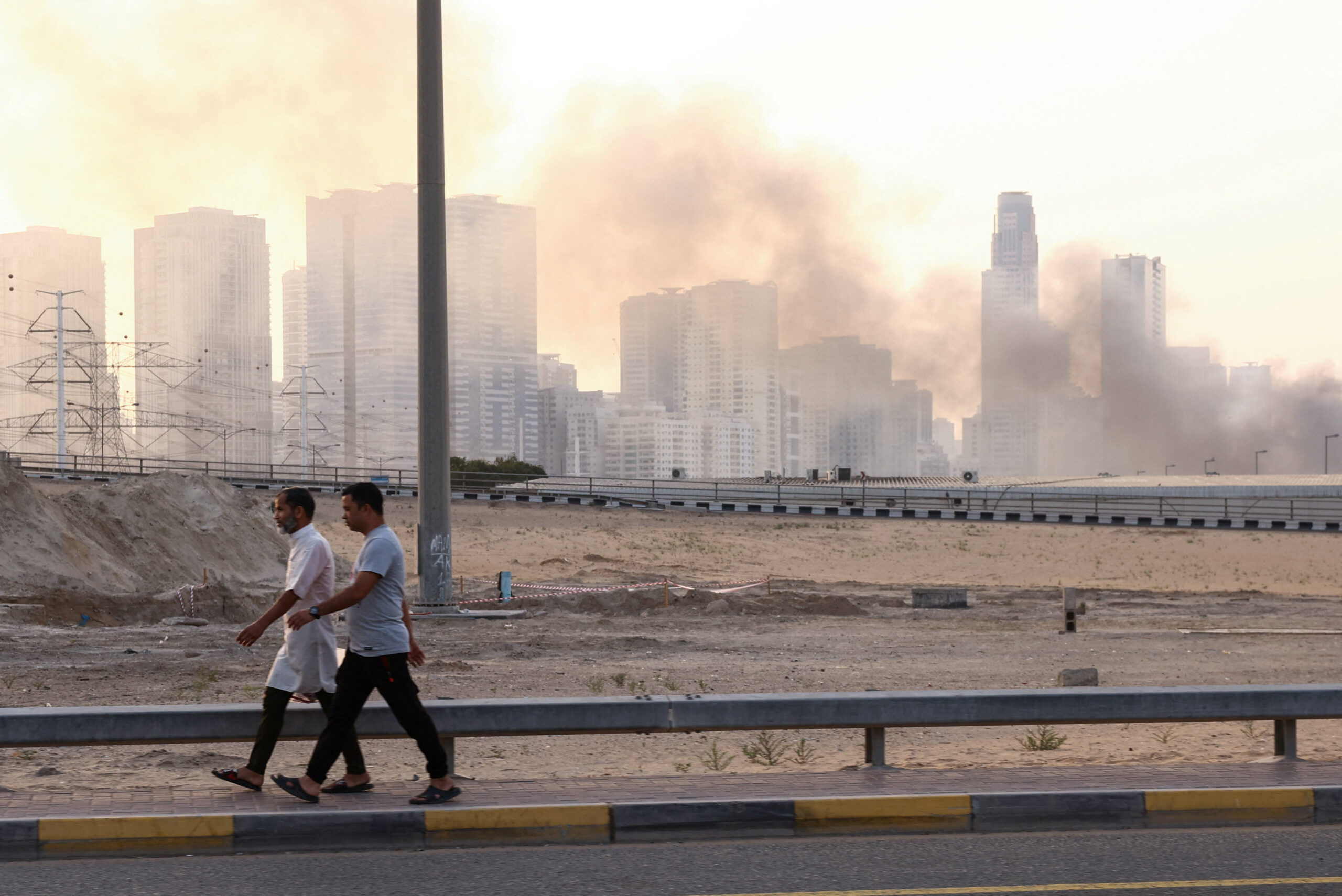
The Gulf Post-Iran War Will Transform Significantly
The recent outbreak of conflict involving Iran has sent shockwaves across the Gulf region, profoundly impacting the dynamics of diplomacy and security. In its initial response to the ongoing war, Iran launched assaults on multiple nations within the Gulf Cooperation Council (GCC), including the United Arab Emirates (UAE), Saudi Arabia, Oman, and Qatar. The implications of these attacks, which targeted not just military installations but also civilian areas, airports, and key infrastructure, pose a significant challenge to the region’s stability and economic future.
Impact of Iranian Attacks on the UAE
The UAE found itself at the center of Iranian aggression, suffering an overwhelming number of drone and missile strikes in the opening days of the conflict. This unexpected escalation marks a sharp departure from the longstanding understanding between Abu Dhabi and Tehran, where both sides had previously avoided direct confrontation. The UAE’s efforts to cultivate Dubai as a global business and tourism hub are now at risk, as the perception of stability is essential for attracting foreign investment. The vulnerabilities exposed by these attacks could force Emirati leaders to rethink their national security strategies significantly.
In previous years, the UAE had sought to stabilize its relationship with Iran, viewing de-escalation as a means of safeguarding its economic interests. However, the magnitude of the recent strikes signals a reevaluation of this approach may be necessary. The Iranian assaults have resulted in considerable damage and casualties, emphasizing the inadequacies of past agreements. As a result, the UAE may implement a more proactive defense policy in light of these renewed threats, indicating a potential shift in military and diplomatic strategies.
The Broader Implications for Regional Diplomacy
Interestingly, Oman, known for its neutral diplomatic stance, was also targeted in the Iranian attacks. This development underscores a pivotal shift in the regional landscape, where even historically cautious nations are drawn into the fray. Oman’s approach of maintaining amicable relations with both the U.S. and Iran may no longer be tenable as the conflict escalates. The need for Gulf nations to choose sides is becoming increasingly apparent, complicating longstanding diplomatic norms that had relied on neutrality.
As these regional geopolitics evolve, Gulf states are compelled to reconsider their alliances and security arrangements, particularly in light of the perceived diminishing effectiveness of U.S. military presence in the region. With doubts emerging about U.S. commitment, the Gulf states may seek to fortify their military capabilities and alliances. Historical precedents, such as past attacks backed by Iran on significant oil sites, have left countries questioning their reliance on American military support.
Future of Gulf-US Military Relations
Recent events have sparked concerns within the Gulf about the effectiveness and reliability of U.S. military partnerships. While the presence of American forces historically aimed to deter Iranian aggression, the recent attacks have sparked doubts about their ability to provide adequate protection. A thorough reevaluation of U.S.-Gulf relations is warranted, as the current environment necessitates clear communication and strategic partnership adjustments.
Saudi Arabia stands to gain significantly from a weakened Iran, which poses a longstanding challenge to its ambitions of regional dominance. However, the volatility of an unstable Iran could lead to further complications. As U.S. and Israeli operations continue, Riyadh must navigate its response carefully, weighing the benefits against the potential for increased unrest. The unfolding conflict will provide vital insights into the shifting balance of power in the Middle East, as Saudi Arabia aims to shape its own leading role while confronting emergent threats posed by a fractured Iran.
In summary, the recent Iranian assaults have catalyzed a considerable reevaluation of diplomatic and military dynamics among Gulf nations. As countries grapple with the new reality of escalating tensions, the focus will likely shift towards forging stronger alliances, reevaluating security strategies, and stabilizing the region against future threats. The consequences of these developments will resonate well beyond the immediate conflict, shaping the geopolitical landscape of the Gulf for years to come.