
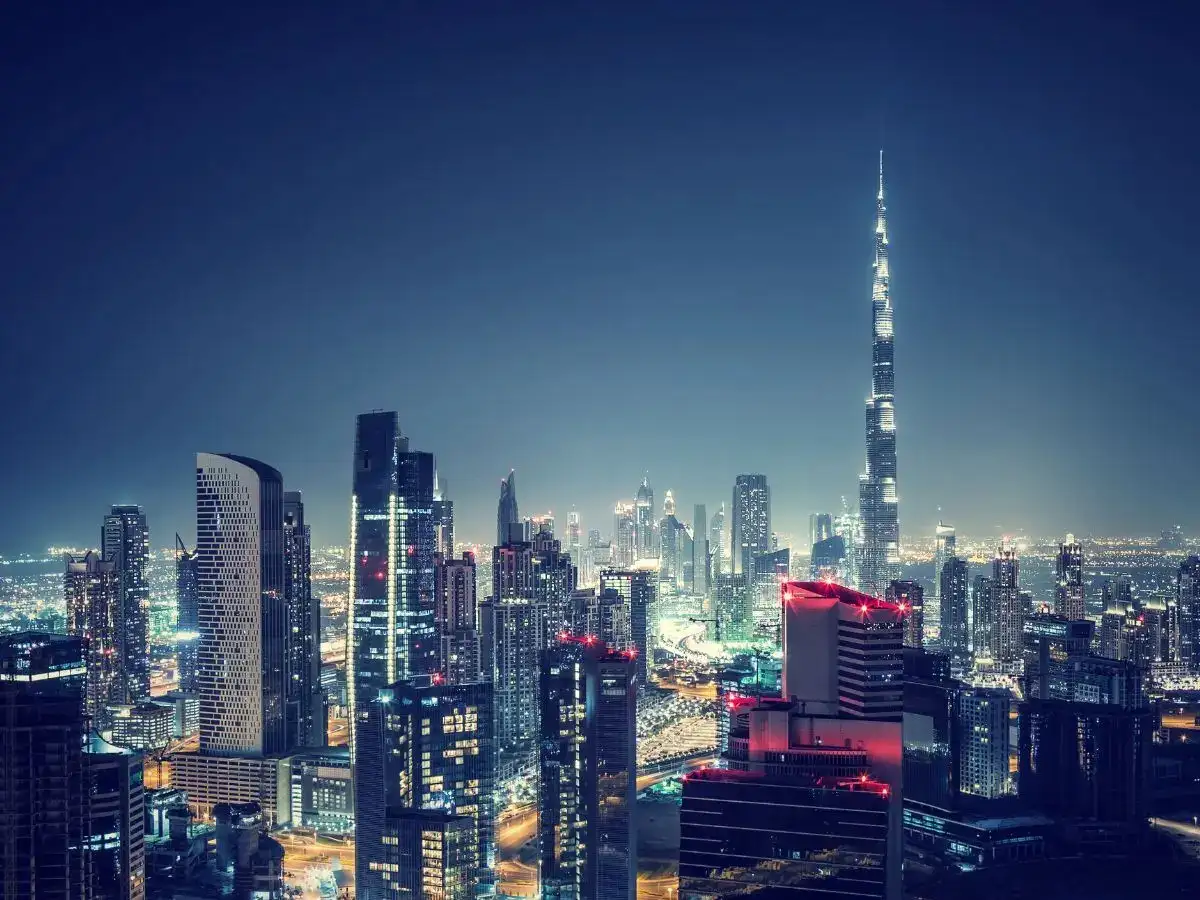
The Dubai conflict story seems increasingly exaggerated.
History hasn’t treated the cultural and financial aspirations of the Middle East kindly in the past fifty years. From Beirut’s civil strife to Kuwait’s invasion by Iraq, the region has faced numerous challenges. Today, Dubai and Abu Dhabi are confronting an even greater test: an escalating conflict between the United States, Israel, and Iran, which has resulted in casualties, displacements, and significant disruptions to oil supplies.
Current Economic Outlook in the UAE
Despite the turmoil surrounding the US-Israel conflict with Iran, official statements from the United Arab Emirates (UAE) maintain an optimistic perspective. Government officials claim that life in the UAE continues without significant interruption, highlighting operational efficiency among institutions and professionalism within the defense forces. Dubai’s ruler, Mohammed bin Rashid Al Maktoum, expressed confidence that the Emirates will emerge from the crisis even stronger. Nonetheless, this narrative has begun to fray as the conflict drags on, now in its fifth week.
As the war continues to evolve, some prominent figures from the business community have voiced their uncertainties regarding the region’s economic future. Statements from investors and corporate leaders reflect a growing skepticism about growth prospects. Recent analysis from the UN Development Program suggests that Arab nations could face gross domestic product losses of between $120 billion and $194 billion due to disruptions caused by the ongoing conflict.
Implications for Dubai’s Business Hub
Dubai’s stock market has already shown signs of strain, plummeting over 18% since the escalation of the conflict. The real estate sector faced an even steeper decline, with values dropping approximately 30%. Hotels have been forced to drastically cut prices to attract guests, and airlines are rerouting flights to Asia as Dubai Airport operates at limited capacity. Although property developers are attempting to assuage investor concerns regarding liquidity, the UAE central bank has introduced measures to bolster the banking sector.
For a city often compared to Switzerland in terms of its financial services, the economic implications could be substantial. While many expatriates are hesitant to leave due to their established lives and the benefits of living in a tax-free environment, there are growing concerns among those who relocated recently. The idea of a return to the previous status quo — when Dubai was perceived as a desirable alternative to London — remains uncertain.
The Geopolitical Landscape and Future Considerations
The UAE has successfully intercepted thousands of missile attacks since the conflict began, demonstrating its ability to manage immediate threats. However, its geographical vulnerabilities have become increasingly apparent. The Strait of Hormuz, a crucial passage for oil exports, is now a focal point for risk assessment among businesses. The UAE’s port of Jebel Ali has experienced a decline in activity, and although there are alternative routes for oil exports, these remain susceptible to attack.
As the UAE shifts its focus toward diversifying its economy beyond oil, international investors are likely to reassess their risk profiles in light of Iran’s threat. The region has heavily invested in emerging technologies such as artificial intelligence, but the ongoing conflict could lead to a reevaluation of these initiatives.
Saudi Arabia’s Vision 2030 emphasizes a transition to a non-oil economy, which aligns closely with the UAE’s objectives. However, prolonged conflict could force a reprioritization of financial commitments, including tapping into sovereign wealth funds that have previously been committed to international investments.
The Future of Global Investment in the Region
A key question remains: Will the Gulf states continue to operate under the security framework established by the United States? As tensions rise, there are increasing calls within the UAE for a stronger alliance with American forces, despite the unpredictable nature of US foreign policy.
Supporters of Dubai argue that global capital has few viable alternatives, especially as London tightens its taxation and regulatory measures. Yet, there is a growing recognition that places like Geneva, Milan, and a resurging Hong Kong could present attractive options for international investors. As the landscape evolves, the idea of stability and security will determine where investment flows next, ushering in a new era of dynamics in the financial world.