
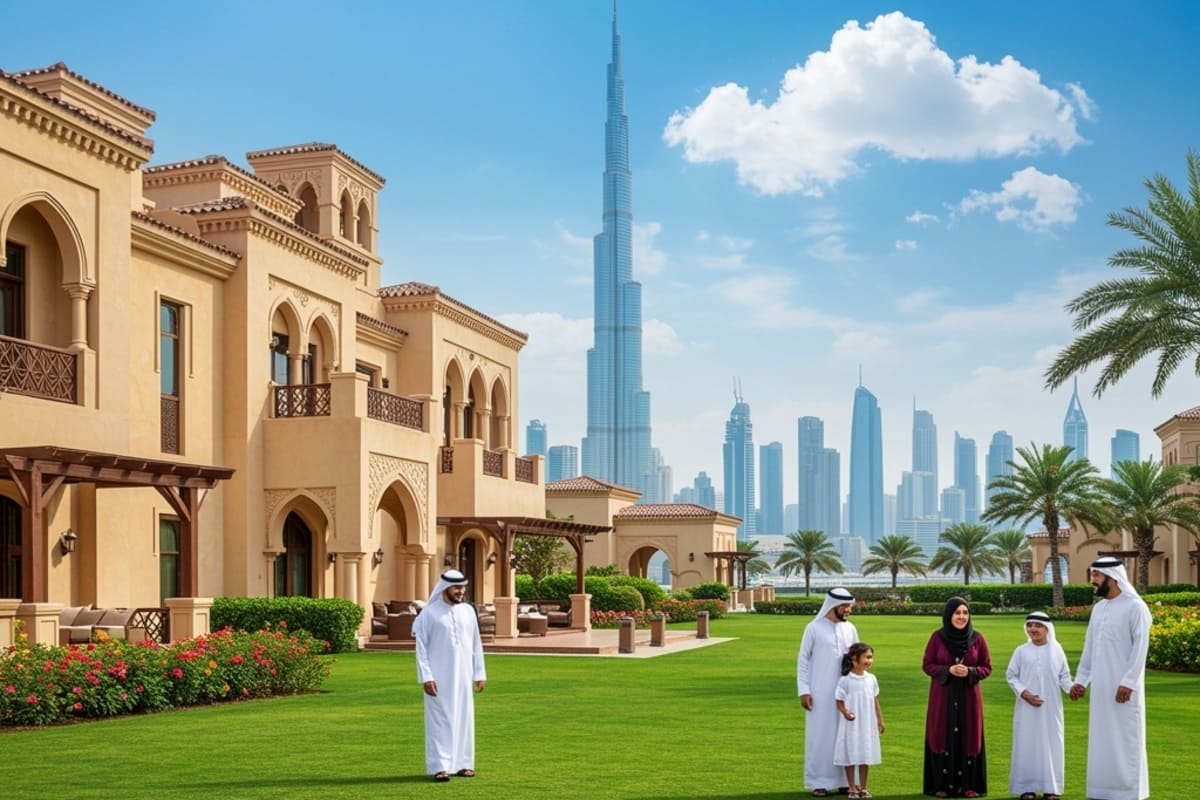
Strong economic signs, increasing population, and infrastructure boost growth.
Dubai is poised for significant growth in its real estate sector as it approaches 2026, driven by a booming economy, a rising populace, and ambitious infrastructure projects. According to a recent analysis by global consulting firm ValuStrat, the emirate is on the verge of substantial transformation, which will have wide-ranging implications for investors and residents alike.
Economic Momentum and Population Growth
Forecasts indicate that Dubai’s economy is set to expand by 5% by the end of 2026, with a robust performance in non-oil sectors such as tourism, financial services, real estate, and construction. This positive economic climate is further enhanced by an anticipated inflation rate of just 2%, effectively creating a conducive environment for both businesses and investors. One of the critical drivers behind this growth is the expected population increase; projections suggest that Dubai’s resident count could reach 4.7 million. During peak hours, the city might be bustling with as many as 6.5 million, underscoring the urgent need for adequate housing and essential services to accommodate this growth.
Residential Market Insights
As the residential sector evolves, the pace of price increases is expected to moderate. Capital gains are forecasted to reach 10% in 2026, a notable decline from 19.8% in the previous year. This shift hints at a normalization of the market following years of rapid growth. Villa and townhouse prices are anticipated to rise faster than those of apartments, with estimates predicting increases of 17.7% compared to 7.4% for apartments. This trend is largely driven by limited availability and changing lifestyle preferences among residents. Despite the forecasted growth, it’s crucial to note that specific communities have seen prices soar, tripling in some cases since the pandemic.
Currently, around 131,234 residential units are planned for development; however, the majority of these—approximately 81%—are apartments. Yet, potential delays in construction may impact actual delivery rates, underscoring the challenges in meeting the increasing housing demand. Meanwhile, rental growth is expected to stabilize at around 0%, reflecting a balance in the leasing market dynamics.
Commercial and Hospitality Sector Expansion
The office space market in Dubai continues to thrive, buoyed by the rise of new businesses and corporate expansion. Forecasts suggest a growth in capital values and rental rates by 15%, albeit slower than in previous years, driven by ongoing supply constraints in prime commercial areas. Furthermore, Dubai is anticipated to consolidate its position as a leading global hospitality hub, with 11 hotel projects currently underway, adding approximately 3,923 keys by 2026. Notable upcoming developments include Six Senses The Palm and Marbella Resort Hotel, both showcasing the city’s commitment to luxurious hospitality offerings.
The report also highlights that occupancy rates are likely to increase during the usually slower summer months, coinciding with Ramadan, which aligns with cooler periods. Upcoming hotel properties will predominantly feature four- to five-star accommodations, while local guests are expected to play a vital role in boosting occupancy and revenue for mid-range to affordable hotels.
In summary, Dubai’s real estate market is primed for transformation, driven by its economic resilience and a growing population. Both the residential and commercial sectors are set to experience significant changes, presenting opportunities and challenges for investors and stakeholders in the coming years.