
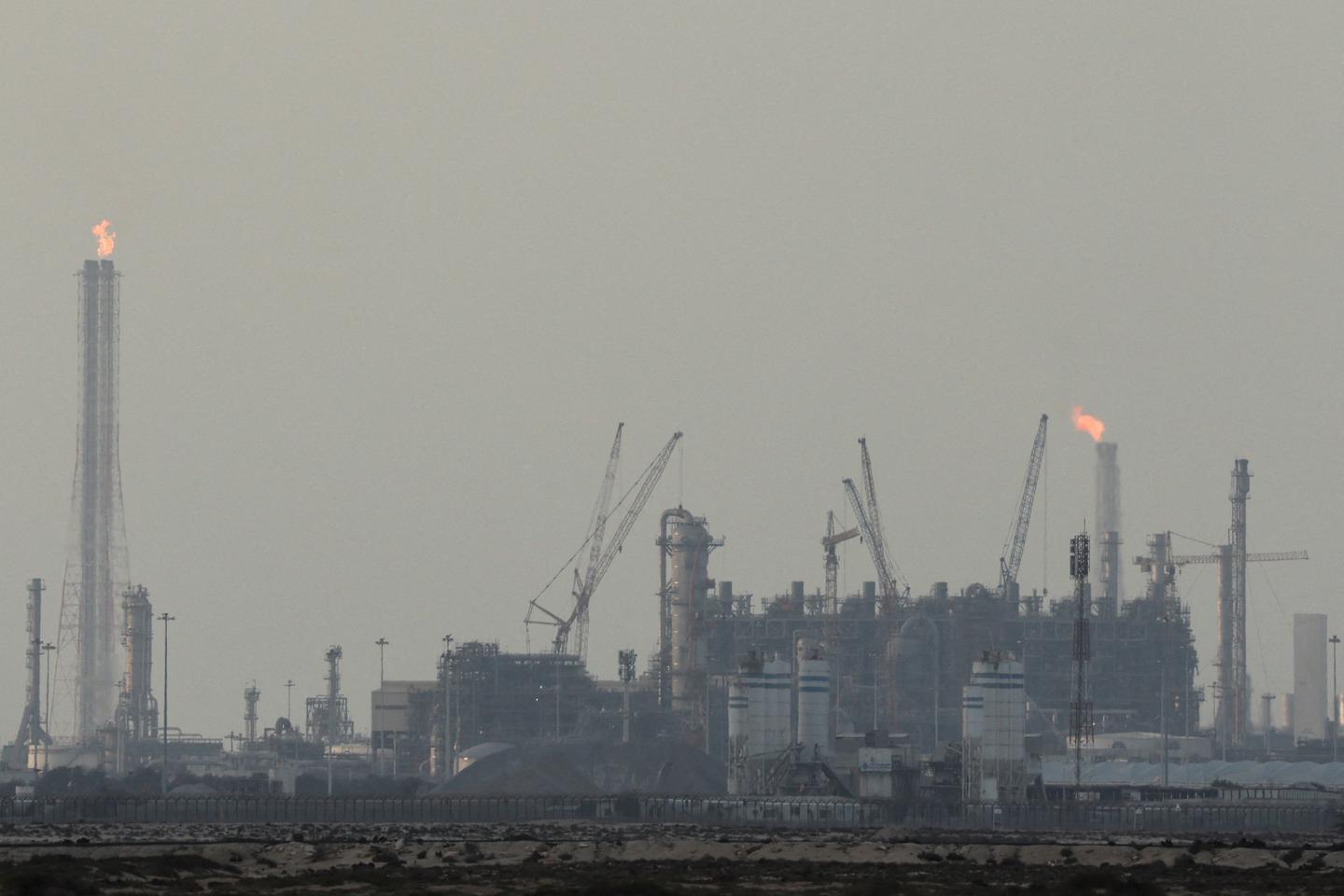
Middle East conflict triggers fresh economic turmoil.
As tensions in Iran escalate, the implications for global economics are beginning to surface. With military actions in full swing as of March 5, economic stakeholders are contemplating the potential repercussions of a prolonged conflict. The ongoing hostilities have severely impacted the Strait of Hormuz—a vital passage for oil and gas resources—prompting concerns about global energy stability.
The Strait of Hormuz: A Critical Chokepoint
The Strait of Hormuz is essential for international energy transportation, with a substantial percentage of the world’s oil passing through its waters. Currently, disruptions due to Iranian military actions threaten to create ripple effects that could lead to significant disruptions in global trade. These disturbances not only affect Gulf countries but could also extend their economic impact far beyond the region. If the situation continues to escalate, an increased risk of throttled energy supplies could destabilize pricing structures worldwide.
Risk of Stagflation: A Combined Economic Threat
While it may be premature to declare an economic crisis, the signs of an impending energy shock are becoming apparent. Economists are warning of potential stagflation, characterized by stagnant growth coupled with rising inflation—an alarming scenario that can leave economies in a precarious situation. Kristalina Georgieva, managing director of the International Monetary Fund (IMF), has expressed concerns regarding the endurance of the global economy, noting that it is undergoing yet another resilience test.
Georgieva’s analysis indicates that prolonged conflicts like the one unfolding in Iran could exacerbate volatility in energy prices, leading to unwanted fluctuations in market sentiment and potential increases in inflation. Bruno De Moura Fernandes, the head of macroeconomic research at Coface, echoed these sentiments, emphasizing that markets are beginning to anticipate a longer-duration conflict, which could reshape economic forecasts.
Global Market Sentiment: A Shift in Dynamics
As the crisis unfolds, investors and economists are increasingly cautious. The uncertainty surrounding military operations in Iran is prompting a reassessment of market dynamics. Rising energy costs could trigger inflationary pressures, affecting consumer spending and economic growth rates. Thus, market participants are closely monitoring developments, as even minor escalations may ripple throughout global economic frameworks.
The current conditions underscore the interconnectedness of energy and economic health, highlighting that regional conflicts can have far-reaching effects. As stakeholders await further developments, the focus will be on mitigating risks associated with reduced energy supplies and adapting to the evolving economic landscape.
In conclusion, the situation in Iran poses a complex challenge that extends well beyond its borders. With the potential to disrupt energy supplies and usher in stagflation, stakeholders must remain vigilant as they navigate the uncertain waters ahead. The coming days will be crucial in determining whether these predictions materialize or if diplomatic solutions can bring a swift resolution.