
Iran Conflict Threatens Gulf Remittances in South Asia
As tensions escalate in the Persian Gulf due to the Iranian conflict, millions of South Asian expatriates working in the region face the looming threat of economic instability. This could have dire consequences not only on their livelihoods but also on the crucial remittances they send back home, which are vital for their home countries’ economies.
The Economic Impact of Remittances on South Asia
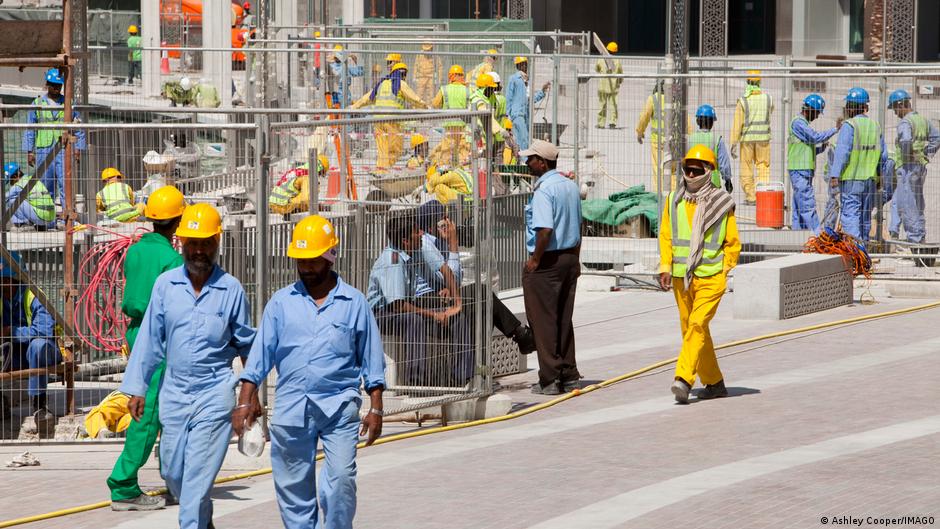
The Persian Gulf states are heavily reliant on foreign labor, primarily from South Asia, including countries like India, Pakistan, and Bangladesh. For years, these workers have played a significant role in the economic development of the region, often employed in sectors such as construction, hospitality, and healthcare. Their remittances provide essential financial support to their families and serve as a crucial source of foreign exchange for their home countries.
India stands out as the world’s largest receiver of remittances, with estimates predicting inflows could reach $135 billion in 2025. A significant portion of this comes from the Gulf region, which contributed nearly $40 billion in the prior year alone. For India’s economy, these funds are not just a lifeline for families, but also help mitigate trade deficits. Pakistan and Bangladesh are also major beneficiaries, with each sending around five million workers to the Gulf, contributing to remittance totals of approximately $38 billion and $30 billion, respectively.
Risks to Migrant Workers’ Safety
The ongoing conflict is putting the lives of migrant workers at risk. Reports indicate that civilians across the Gulf Cooperation Council (GCC) countries are being endangered, with fatalities and injuries reported due to drone strikes and missile attacks. Human Rights Watch noted at least 11 civilian deaths and over 260 injuries, impacting migrant workers the hardest. For instance, three Pakistani workers lost their lives in the United Arab Emirates as a result of falling debris from an attack.
Despite the risks, many expatriates are choosing to remain in the Gulf, prioritizing economic survival over safety concerns. Analysts suggest that a majority of these workers perceive the current hostilities as temporary and manageable, although the longer the conflict persists, the greater the potential threat to their employment.
The Future of Remittances Amid Conflict
Thus far, the conflict has not significantly disrupted remittance flows, but experts warn that could change if the warfare continues for an extended period. Rajiv Biswas of Asia-Pacific Economics noted that while the situation has not yet adversely affected employment for migrant workers, prolonged armed conflict could lead to job losses in key sectors like tourism and aviation, which are heavily reliant on foreign labor.
If the war extends for months, a 10% to 20% reduction in Gulf remittances could occur, translating to a loss of $5 to $10 billion for India. Economic forecasts indicate that a prolonged conflict could contribute to a GDP decline of 10% to 15% in the Gulf, severely exacerbating the situation for South Asian economies that depend on these funds.
While current assessments suggest minimal immediate consequences for remittance inflows, only time will show how deeply the region’s economies will be affected should the Iranian conflict continue. Thus, stakeholders in South Asia must remain vigilant, understanding that the health of their economies is intricately tied to the stability of the Persian Gulf and the safety of their citizens working abroad.