
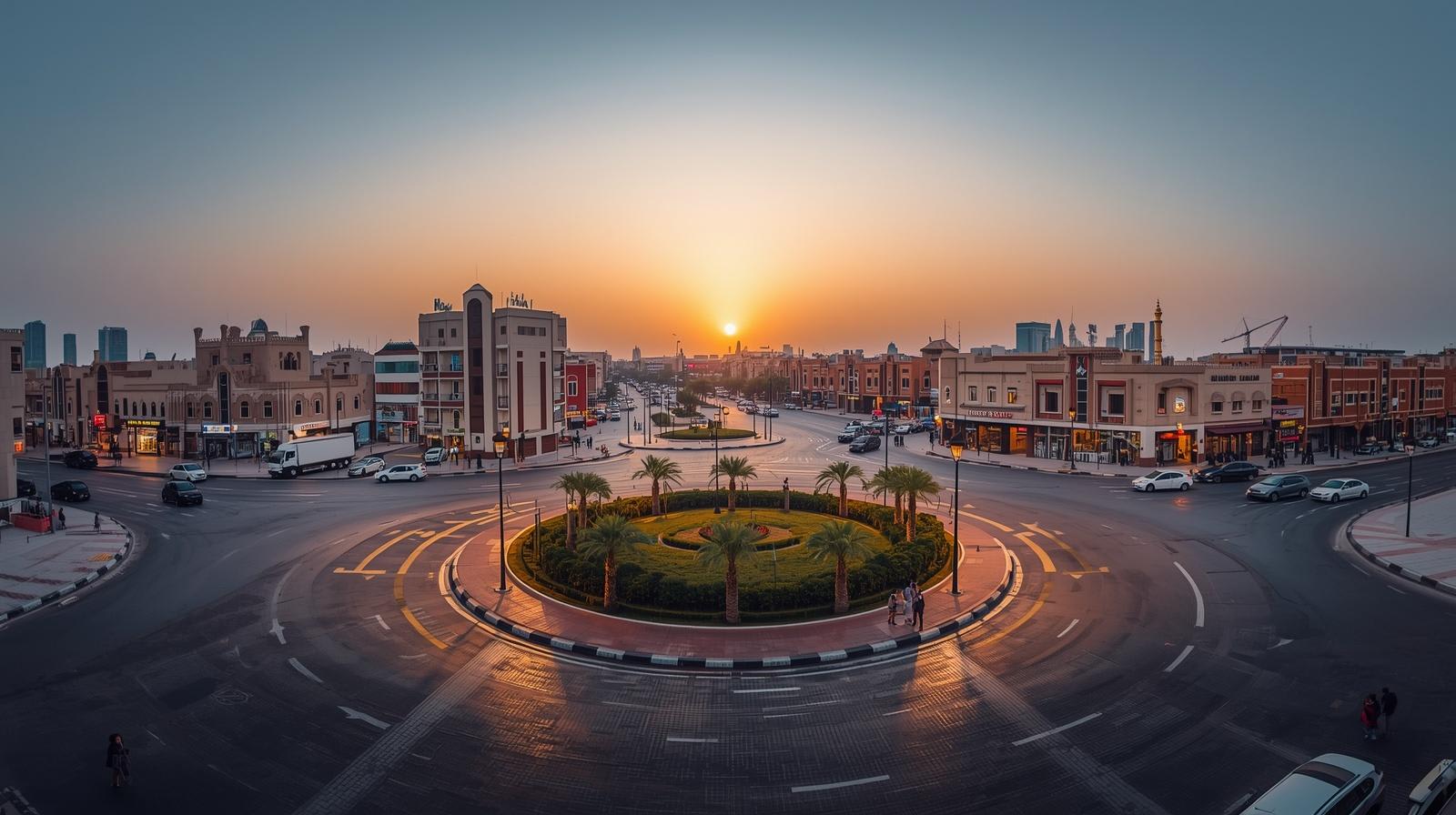
Impact of Satwa Roundabout on Dubai and UAE Economy
Satwa Roundabout might seem like just another traffic intersection in Dubai, but its influence reaches far beyond mere vehicle management. This vital junction plays a significant role in fostering economic activity and facilitating daily business operations throughout the city. In fast-paced urban environments, even seemingly minor locations can dramatically affect the flow of money, resources, and people. The Satwa Roundabout serves as an essential link, connecting various sectors of the city and keeping both commerce and workforce moving efficiently.
Daily Economic Flow
Satwa Roundabout experiences a heavy volume of traffic each day, with thousands of people passing through for work, shopping, and other daily activities. This consistent movement generates a dynamic economic atmosphere within the vicinity. Workers utilize this crucial point to access offices, construction sites, and various service-related jobs, while consumers flock to boutiques, cafes, and other establishments nearby. This continual flow of individuals not only sustains local businesses but also breeds economic growth and stability in the surrounding area.
Enhancing Local Business Accessibility
The Satwa area thrives on the presence of small to medium-sized enterprises, which are pivotal to Dubai’s economic landscape. The roundabout enhances visibility and provides essential accessibility to these businesses. Local shops and restaurants near the roundabout attract high foot traffic, leading to increased sales and fostering a stable income for small business operators. From clothing alterations to grocery provisions, numerous enterprises hinge on the roundabout’s steady influx of customers to stay afloat and prosper.
Boosting the Informal Economy
Not all economic activities revolve around big corporations or shopping complexes. The Satwa Roundabout plays a significant part in nurturing the informal and service-oriented economy. A variety of workers—delivery personnel, maintenance staff, cleaners, and shop clerks—depend on the convenient transit this roundabout provides. Efficient mobility not only accelerates service delivery but also enhances overall economic productivity, ensuring that everyday operations run smoothly.
Transportation Flow and Infrastructure Development
Effectively managing traffic at the Satwa Roundabout contributes significantly to transportation efficiency across Dubai. A well-structured transport system directly correlates with heightened economic productivity. When traffic systems are streamlined, businesses can deliver goods more swiftly, and workers can reach their destinations on time. By minimizing delays and maximizing efficiency, the roundabout contributes to improving the overall productivity of the local economy and the city as a whole.
In conclusion, Satwa Roundabout is more than just a simple traffic junction; it is a crucial element of Dubai’s economic framework. By facilitating connections between neighborhoods and commercial hubs, it supports both workers and businesses alike. Its role in sustaining economic activity, fostering local entrepreneurship, and enhancing transportation efficiency showcases how even minor infrastructure can have substantial impacts on a city’s economic health. As Dubai continues to expand, the importance of such locations cannot be underestimated; they are vital to the sustainability of everyday economic functions and the overall growth of the city.