
Gulf tensions drive Dubai diamond dealers to consider Surat auctions, facing challenges.
In light of recent geopolitical events affecting global trade, two diamond trading companies based in Dubai are looking to relocate rough diamond auctions to Surat, India’s gem capital. The ongoing conflict between Israel and Iran, along with disruptions in Gulf trade routes, has made transportation between the UAE and India increasingly challenging. As a result, Koin International and Stargems Group have approached the Gem and Jewellery Export Promotion Council (GJEPC) in Surat to discuss organizing regular competitive auctions for uncut diamonds.
Impact of Geopolitical Conflicts on Trade Routes
The recent military tensions in the region have significant implications for the diamond trade. Reports indicate that flight cancellations, airspace closures, and halted rough diamond bidding events in the Gulf have severely restricted the movement of diamonds between India and the UAE. These challenges have made it nearly impossible for Surat traders, who typically traveled to Dubai to bid on parcels of rough stones, to maintain their usual operations. Many have chosen to stop traveling due to both logistical constraints and eroded confidence in air travel in the region.
“The companies are keen on establishing regular auctions in Surat—not merely exhibitions—likely occurring every two weeks or monthly,” noted Ashish Borda from GJEPC. The potential transition to Surat for these auctions reflects a broader aim to stabilize diamond supply and maintain competitiveness in the diamond cutting and polishing market.
Significance of Surat in the Global Diamond Industry
Surat is a critical player in the global diamond market, processing over 90% of the world’s rough diamonds. According to GJEPC data, an astounding nine out of ten diamonds sold globally are cut and polished in this bustling city. However, it is essential to note that India does not mine a substantial quantity of its diamonds. Most rough diamonds are sourced from countries like Russia, Botswana, and Canada before being traded in UAE hubs. As a result, Surat’s diamond industry relies heavily on these foreign trading entities for their supply of rough stones.
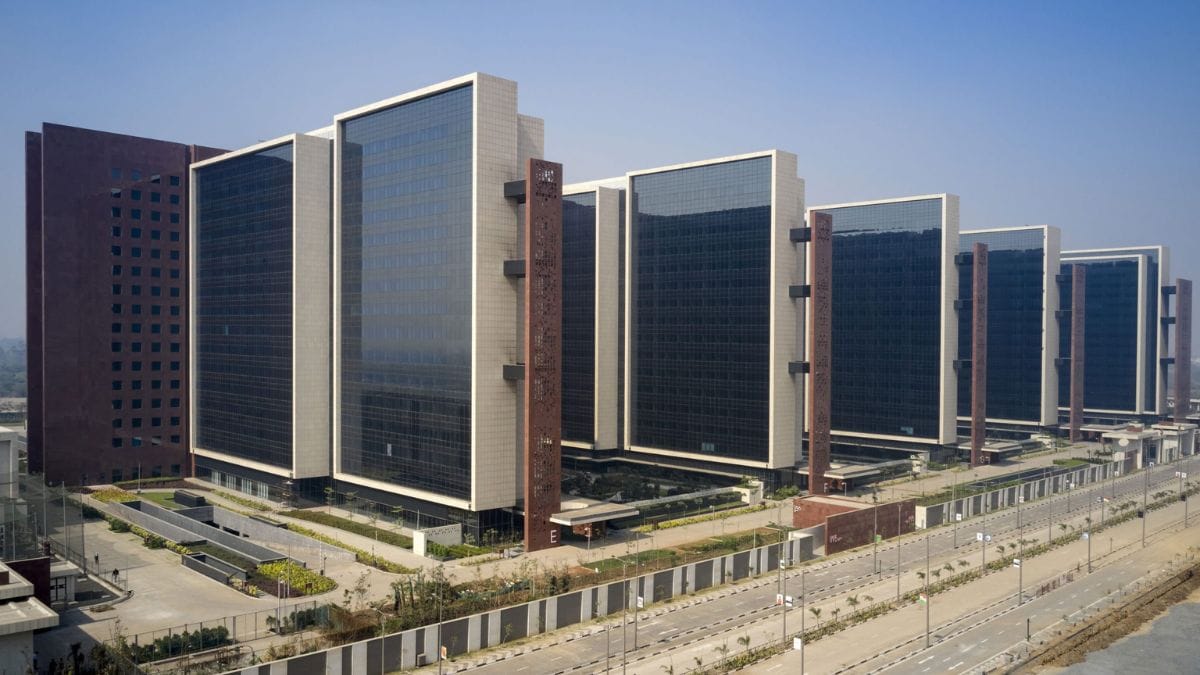
In the auctioning process, mining firms and trading companies from around the globe offer parcels of uncut diamonds to prospective buyers through competitive bidding. This system is particularly beneficial for smaller firms, providing a marketplace where they can showcase their gems while giving Indian manufacturers direct access to essential raw materials from the Gulf. If the initiative to conduct regular auctions in Surat progresses, the events may be hosted at the Diamond Bourse, which serves as India’s largest diamond trading center and aims to facilitate easier access for small businesses.
Challenges Ahead for Indian Auctions
Transitioning these auctions to India could face numerous hurdles, particularly regarding customs regulations that govern the importation of rough diamonds. Currently, importers encounter stringent checks and a Goods and Services Tax (GST) of 0.25%, which applies repeatedly: once for viewing and again for re-importation after bidding. Industry leaders have voiced concerns that this multi-step customs process remains the most significant obstacle. Many traders may hesitate to absorb the cost and complexity of these repeated levies unless faced with no other viable options.
Jayantibhai N Savalia, chairperson of GJEPC in Gujarat, has called upon the government to streamline these regulatory processes. “It’s crucial that the government simplifies protocols to encourage diamond trading in India,” he asserted. He further argued that Surat has the potential to be more than just a manufacturing hub but could evolve into a major trading center if administrative barriers are reduced.
In summary, while the possibility of relocating rough diamond auctions to Surat presents a valuable opportunity for local traders and manufacturers, several logistical and regulatory challenges remain. As the industry continues to grapple with geopolitical changes, the focus will undoubtedly turn towards finding viable solutions that promote both accessibility and efficiency in the diamond trade.