
Foreign Millionaires in Dubai: Dominated by Pakistanis, Indians, Saudis
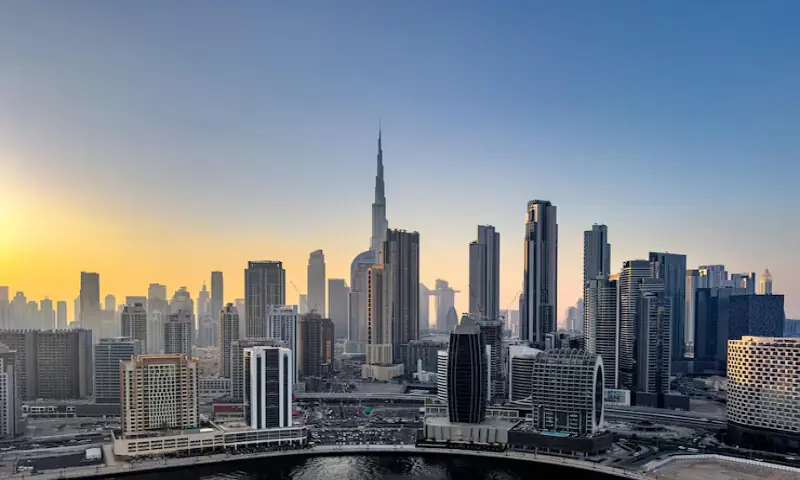
Dubai has become a magnet for ultra-high-net-worth individuals (UHNWI), with a current population of around 900 citizens possessing assets of at least $30 million. A recent report reveals that a notable percentage of these wealthy individuals hail from foreign nations, particularly India, Pakistan, and Saudi Arabia. The city’s allure is not only its impressive skyline but also its favorable economic conditions that foster wealth accumulation.
The Demographics of Dubai’s Ultra-Wealthy Population
According to a study conducted by Altrata and Arton Capital, Dubai’s wealthy demographic is notably youthful compared to many areas worldwide. One in five foreign-born millionaires is under 50, challenging the traditional narrative of aging affluence. Additionally, around 40% of the city’s millionaires have accumulated their wealth through a combination of self-generated income and inheritance, surpassing the global averages in this category. This dynamic indicates a thriving entrepreneurial spirit that underpins Dubai’s economy.
Factors Attracting Wealthy Individuals to Dubai
Several key factors contribute to Dubai’s growing reputation as a hub for the ultra-rich. Its low tax rates, lenient regulations, and expedited residency options, including sought-after Golden Visas, create an inviting environment for wealthy expatriates. The luxury lifestyle available in Dubai further enhances its appeal, making it an attractive location for both living and investment. The city’s population surpassed the four million mark last year, largely fueled by an influx of skilled professionals and investors eager to capitalize on these benefits.
Wealth Diversification and Global Mobility
The report also points out that over 95% of foreign-born millionaires in Dubai maintain assets outside the UAE. This trend suggests that Dubai serves primarily as a strategic base for wealth diversification rather than as a permanent financial center. Experts in the field recognize that global wealth is becoming increasingly mobile, with affluent individuals structuring their assets across various countries to mitigate the risk of relying on a single financial jurisdiction.
The Changing Landscape of Wealth Creation
The report indicates that nearly 80% of foreign-born ultra-wealthy individuals in Dubai are self-made, underscoring a significant shift toward new-age entrepreneurship and business-driven wealth creation. This is complemented by increased female representation, which stands at about 7% among foreign-born UHNWI residents. The study highlights a diverse array of sectors employing these wealthy residents, including industrial conglomerates, banking, construction, manufacturing, and business services. The largest groups work in industrial sectors (13%), business and consumer services (12%), and banking and finance (12%).
As the global population of ultra-wealthy individuals is projected to rise significantly, with estimates suggesting a leap to approximately 734,100 by 2030, the total wealth is also expected to increase dramatically. By the end of the decade, it could burgeon from $63 trillion in 2025 to $84 trillion. An anticipated 7.7 million individuals are expected to hold assets exceeding $5 million, highlighting the growing concentration of wealth worldwide.
In conclusion, Dubai’s evolving landscape, characterized by a younger, diverse population of ultra-high-net-worth individuals, is a testament to its robust economic environment and global appeal. As wealth mobility becomes a crucial aspect of financial strategy, Dubai is positioned as a vital base for many looking to thrive in an interconnected world.