
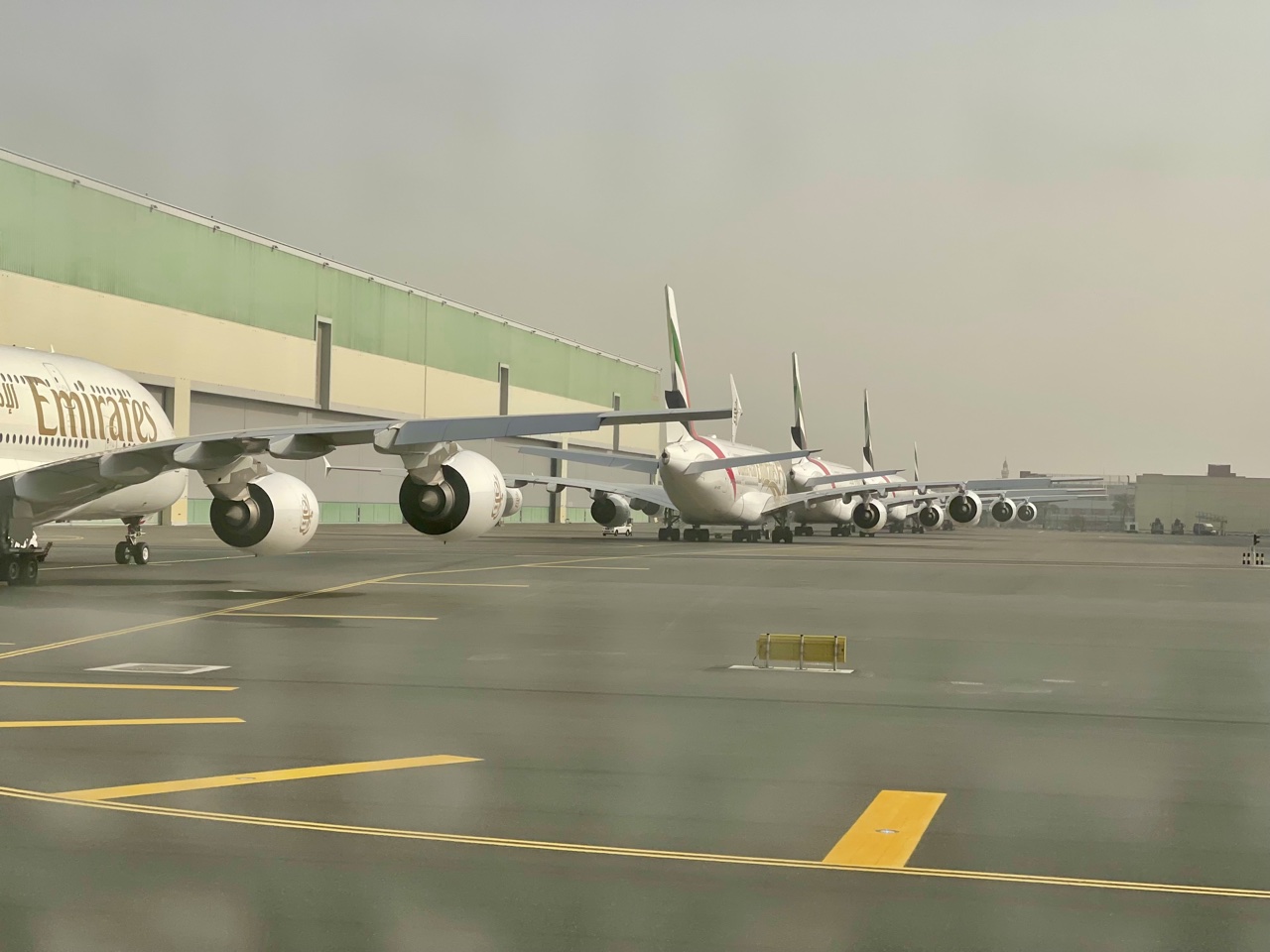
Emirates Discontinues Its 615-Seat A380 Aircraft Quietly
Emirates Airlines has announced a significant change to its Airbus A380 fleet, eliminating 46 seats from its densely packed 615-seat configuration. This move signals a strategic shift toward maximizing revenue through premium offerings rather than simply increasing passenger capacity. The introduction of premium economy seating reflects changing consumer preferences and an industry-wide trend to upgrade cabin experiences.
The Evolution of Emirates’ A380 Configurations
For the past twenty years, Emirates has featured two main A380 layouts. The flagship option consists of 14 First Class suites, 76 Business Class seats, and a maximum of 517 Economy Class seats. However, the lesser-known variant was a high-density model seating 615 passengers, making it the highest-capacity commercial jet operational. This configuration predominantly served leisure routes, such as Bangkok and Mauritius, enabling Emirates to offer competitive pricing by maximizing the number of passengers per flight.
The dense seating arrangement was profitable for a time; however, the industry landscape is evolving. Emirates is pivoting away from this volume-driven strategy. The recent decision to redesign the A380 fleet to include a three-class configuration—76 Business, 56 Premium Economy, and 437 Economy seats—reflects a broader market trend favoring premium offerings over sheer capacity.
The Economics Behind Removing Seats
Emirates’ decision to remove 46 seats per aircraft isn’t just a matter of comfort; it’s a calculated business move. The airline is replacing the spaces with premium economy seats, which are priced at two to three times the standard economy fare while occupying about 1.4 times the floor area. This swap equates to fewer seats but will likely enhance overall revenue per flight. The airline’s statement emphasizes a shift from maximizing seat count to optimizing revenue per square meter, highlighting a newfound emphasis on profitability over volume.
The broader implications of this shift are significant. By removing revenue-generating economy seats, Emirates acknowledges a definitive trend that premium economy is no longer a niche but rather a foundational aspect of airline cabin offerings. This shift contrasts sharply with the long-standing belief that higher seat density equated to financial success.
The Strategy Behind Route Selections
Emirates has strategically chosen to launch its newly retrofitted aircraft on its Dubai to Amman route. This route features a balanced mix of corporate and leisure travelers, making it an ideal testing ground. The second phase will see flights to Prague, and later, Guangzhou, allowing Emirates to gauge passenger reactions across different markets. These initial flights will set the precedent for a full fleet conversion expected by November.
The successful introduction on the Amman route indicates strong potential for premium economy offerings in other markets. The intention is to expand this service rapidly, making premium economy available in nearly 100 cities by year-end. With other major airlines like Singapore Airlines, Delta, and United also investing in premium economy, Emirates’ decision appears both timely and prescient.
The Future of Premium Economy
The introduction and expansion of premium economy represent a significant transformation in the aviation industry. Five years ago, such offerings were experimental; they are now changing the landscape of widebody aircraft seating arrangements. As airlines acknowledge the profitability of premium economy, other carriers are likely to follow suit, further validating Emirates’ shift away from high-density layouts.
The decision to forgo the A380’s maximum seating capacity may serve as a decisive moment in aviation strategy. Airlines have long prioritized maximizing seat counts, but Emirates is redefining this approach. The airline’s focus on premium experiences over sheer numbers indicates a pivotal change in consumer demand and profit maximization.
In summary, Emirates’ move away from the 615-seat configuration illustrates a broader, industry-wide shift toward premium offerings. As other carriers observe this trend, the future trajectory of airline seating could trend toward a more passenger-focused approach, valuing comfort and experience over maximum capacity.