
Dubai’s Future: UAE’s Struggle to Reclaim Its Glory Post-War
The UAE’s trajectory following the Iran conflict will significantly depend not only on its recovery efforts but also on the broader regional dynamics that have shifted dramatically. As the UAE navigates this complex landscape, returning to business confidence is paramount yet poses considerable challenges.
The Cost of Strategic Choices
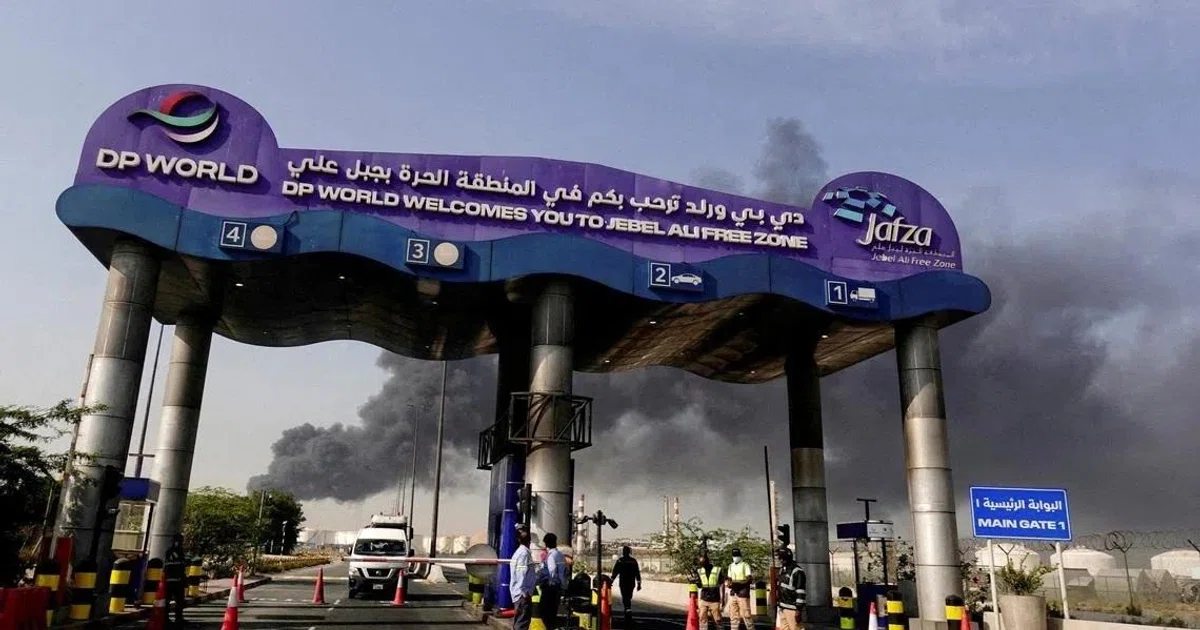
The United Arab Emirates stands out as the most severely affected nation within the conflict caused by Iran, despite not being a direct participant. Its strategic alliances and geographical location rendered it vulnerable, subjected to more missile and drone attacks than any other Gulf state, including Israel. Estimates indicate that the damage to its infrastructure has soared close to $60 billion, and oil production has dropped by 800,000 barrels per day. This has also disrupted air travel, leading to the cancellation of over 30,000 flights at Dubai International Airport, which is recognized as the busiest global hub.
These vulnerabilities resulted from intentional policies aimed at strengthening ties with Israel, such as the 2020 Abraham Accords, and hosting a significant U.S. military base. Such choices have made key cities like Abu Dhabi and Dubai prime targets for Iranian aggression. Positioned closer to Iran than other Gulf states, the UAE’s essential infrastructure, including critical desalination plants, remains exposed, which poses serious risks for its population.
Therein lies a critical lesson for the UAE: the very military presence intended to safeguard its future has, paradoxically, attracted threats. Moving forward, the nation will need to rethink its security strategies, focusing on a more sustainable approach to its foreign alliances.
Diverging Paths of Recovery
Not all emirates within the UAE will rebound uniformly; economic profiles and political significance vary widely. Abu Dhabi, which dominates the nation’s oil and gas wealth, is likely to recover more swiftly once energy exports resume through the Strait of Hormuz. Its financial strength positions it favorably for a quicker bounce back, amplifying its power within the federation.
Conversely, Dubai faces a more daunting recovery challenge. Relying heavily on trade, finance, and tourism—sectors severely impacted by the conflict—its economic model has taken a substantial hit. The decline in the free movement of goods and visitors has strained its market. Restoring business confidence will be crucial for Dubai’s revival, as investing in infrastructure and ventures without solid optimism about the future remains difficult.
This economic divergence will inevitably shift the political balance in the UAE. Abu Dhabi is likely to strengthen its grip on power, leading to potentially greater internal pressures to allocate resources for rebuilding. This might complicate its ability to maintain influence over other regions, particularly in places like Sudan and Libya, as the need for internal stability becomes paramount.
Navigating Talent Post-Conflict
The UAE’s dependency on foreign talent, which constitutes a majority of its population, is under scrutiny post-conflict. Many expatriates, especially from Western nations, have left since the onset of hostilities, causing concern for the workforce that underpins the economy. The question now is whether the UAE can retain its status as an attractive destination for international talent.
While many expatriates have departed, a significant number have remained, valuing the benefits that the UAE continues to offer such as tax-free income, superior infrastructure, and business-friendly regulations. Although the geopolitical climate is unsettling, there remains a pool of highly educated professionals from regions such as Asia and Africa who view the risks as manageable and find the UAE’s advantages compelling.
The backbone of the UAE’s economy, low-income migrant workers, has largely chosen to stay despite being heavily impacted by the situation. For these workers, returning home to high unemployment rates in their countries is rarely a feasible solution. Thus, the UAE may maintain a steady labor force amid uncertainties, though the social dynamics could change over time.
Rethinking Security and Strategic Alliances
The overarching challenge that the UAE must navigate is fundamentally strategic rather than purely economic. A reconstruction of its security architecture is crucial, especially given the reliance on U.S. protection that has become a point of contention. With the understanding that U.S. bases have attracted hostility, the UAE may seek to craft security arrangements that mitigate risks from Iranian retaliation.
Additionally, the UAE is already diversifying its security partnerships, engaging more with countries like Turkey and France and exploring opportunities within the European Union. Its relationship with Israel will also continue, albeit with increased caution to manage regional perceptions. Forming a coherent collective security agreement among the Gulf Cooperation Council states presents substantial hurdles, especially given differing national agendas and attitudes toward Iran.
In conclusion, while the UAE faces significant obstacles in the wake of the Iran conflict, it possesses the resilience needed for recovery. Though business confidence may take time to rebuild, the UAE’s advantages and strategic rethinking could ultimately allow it to thrive once again in a changed geopolitical landscape.