
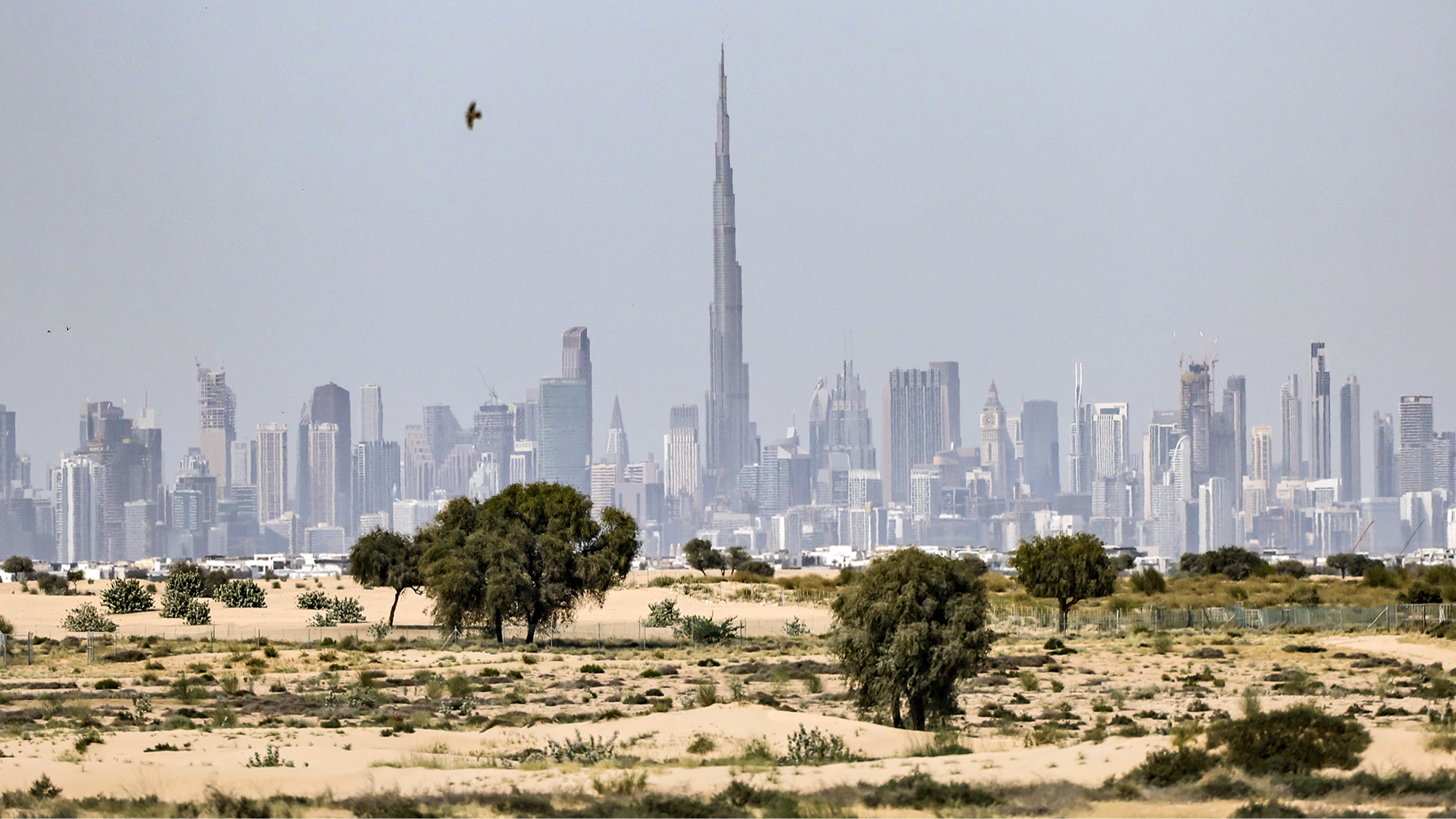
Dubai Bankers Consider Future Opportunities After Conflict
The recent Iranian assaults on Dubai and the Gulf region have led to a major rethinking among the emirate’s banking sector. Almost a month has passed since the attacks began, and while there is optimism for a resolution, the financial landscape continues to experience significant shifts.
Impact on Financial Institutions
Although buildings associated with Dubai’s financial institutions have largely escaped serious damage, the broader ramifications of the attacks are unmistakable. Notable strikes on critical infrastructure, including Dubai International Airport and high-end hotels, have stirred considerable anxiety among banking professionals. As a result, a number of bankers and financial experts are making the difficult decision to relocate from the emirate permanently. This mass exodus highlights a growing concern for personal safety and business continuity, compelling many to reconsider their long-term commitments to Dubai.
Safety and Business Concerns
The violence has raised alarms about security, making it increasingly challenging for financial professionals to operate in an environment fraught with uncertainty. Personal safety is now a priority for many, especially those who live in residential areas that have also been targeted. The fear of further escalations has led some to conclude that continuing their careers in Dubai may no longer be viable. With banks and financial institutions under pressure to safeguard both their assets and employees, a proactive approach to risk management is becoming a necessity.
Future Prospects for the Banking Sector
As the situation evolves, the potential for peace and restored normalcy brings both hope and skepticism. Bankers are closely monitoring geopolitical developments, evaluating how quickly and effectively Dubai can return to business as usual. Analysts are divided on whether the emirate can quickly regain its status as a financial hub. The future will heavily depend on the regional stability and how effectively the local government addresses both security concerns and the economic fallout of the recent events.
In conclusion, while the fundamental infrastructure of Dubai’s financial hub remains intact, the psychological and practical impacts of the conflict are already reshaping its banking landscape. With safety concerns at the forefront, financial professionals must navigate a complex labyrinth of challenges, weighing their options carefully as they consider their next moves. The evolution of Dubai’s financial environment will not only be determined by recovery efforts but also by the long-term implications of these geopolitical tensions. As the world watches, it remains essential for the emirate to reassure its banking community and cultivate an atmosphere where they can thrive once again.