
Conflict, Energy Resources, and Global Economy
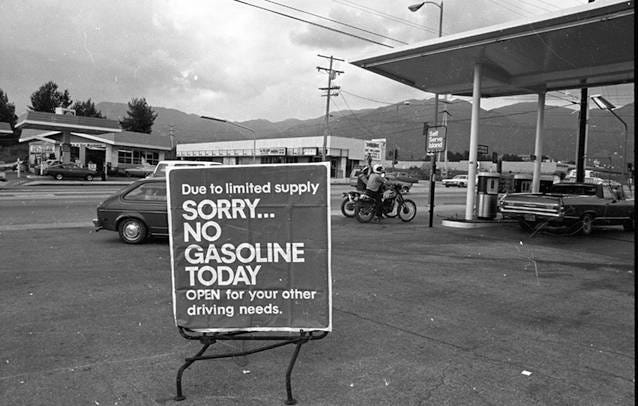
The 1979 oil crisis is a hallmark event in economic and energy discussions, with many reflections on its far-reaching impacts felt even today. It was characterized by long lines at gas stations and heightened inflation, largely influenced by geopolitical turmoil, particularly in Iran. Fast forward to the current geopolitical landscape, and we’re facing new challenges that primarily revolve around the energy sector’s stability.
Understanding the Current Landscape
In light of recent military engagements involving Iran, many analysts speculate whether the economic ramifications will parallel those of the late 70s. While there is a significant degree of optimism regarding today’s resilience against such events, it’s essential to analyze the current dynamics to understand potential vulnerabilities. One might ponder why the global economy has seemingly adjusted to lessen its dependency on fluctuations in Iranian oil output.
The crude reality, however, remains that although Iran accounts for a relatively small percentage of global oil production, any disruptions can set off broader market reactions. The oil market is shaped by speculation and fear, leading to price spikes, as seen during the Iranian Revolution when oil prices surged by 165% despite Iran’s modest production share. As we move forward, it’s essential to consider how geopolitical uncertainties may affect exports from neighboring oil-producing countries, potentially igniting similar turmoil in the market today.
Dependency on Middle Eastern Oil
Despite advancements in energy independence, the global reliance on Middle Eastern oil remains stubbornly high. The major players in oil production—countries like Saudi Arabia and Kuwait—still dominate the market. The present-day geopolitical scenario, characterized by Iranian missile capabilities, further complicates matters, raising concerns about shipping disruptions through key maritime routes like the Strait of Hormuz.
As recently as mid-February, oil prices saw a notable uptick of about $10 per barrel, impacting gasoline prices at the consumer level. Market reactions suggest a short-term focus on conflict rather than a prolonged economic fallout. Yet, the greater question remains: how will prolonged disruptions affect not just energy prices but also broader economic stability?
Economic Resilience and Modern Highs
Fortunately, the economies of major nations have evolved, reducing their dependency on oil significantly compared to the 1970s. The “oil intensity of GDP” has reportedly dropped by over 70%, meaning today’s output can be achieved with far less oil consumption. Fuel efficiency improvements and the transition to natural gas and renewable energy sources have played vital roles in this transformation. Consequently, if oil prices were to rise sharply, the economic consequences may not be as detrimental as previously experienced.
Nevertheless, with current inflationary trends being comparatively moderate, there is some ground for optimism. Most people still expect inflation to stabilize, indicating that any shocks from the evolving conflict might prove temporary. However, historical lessons indicate that complacency can be a dangerous mindset.
Conclusion: Navigating Risks Ahead
While there are valid reasons to be cautiously optimistic about the current geopolitical and economic landscape, potential risks remain. The fragility of the financial system, marked by unregulated areas like private credit, poses a threat that did not exist in 1979. Moreover, the high valuation of key market indices raises questions regarding their sustainability should economic instability arise.
Finally, it’s crucial to recognize that the modern Middle East’s importance extends beyond oil; it serves as a vital financial hub in the global economy, exemplified by the transformation of Dubai into a central aviation and finance center. Disruptions in this versatile landscape could send ripples throughout global markets, revealing the interconnectedness of these systems. As we observe these developments, staying vigilant about potential economic impacts should be a priority for policymakers and economists alike.