
Albanese: Economic Impact of War to Last Months
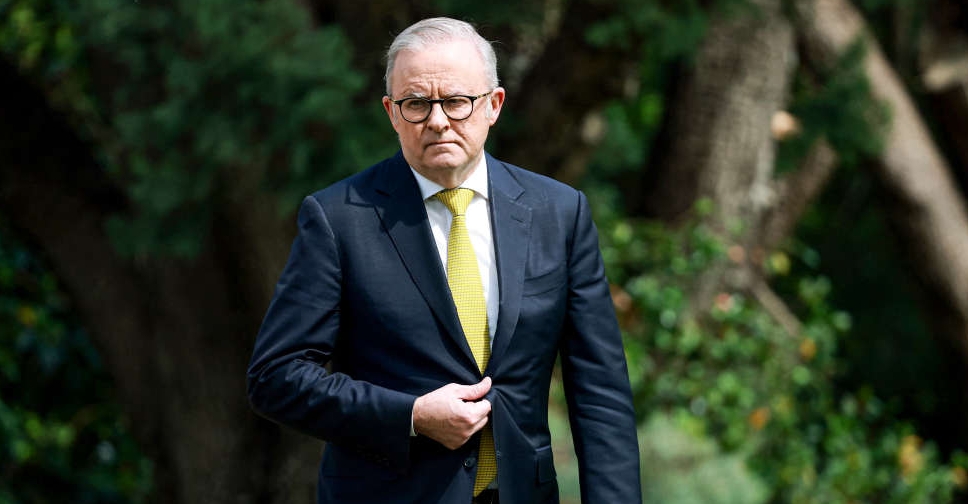
Australian Prime Minister Anthony Albanese recently delivered a crucial address regarding the economic implications of the ongoing conflict in the Middle East. This announcement, broadcast across major media platforms, serves as a call for unity and cooperation among citizens as they navigate the resulting challenges.
Economic Impact of the Middle East Conflict
The war in the Middle East has led to significant economic disturbances globally, with Australia experiencing substantial spikes in fuel prices. As a nation that relies heavily on imports for approximately 90% of its fuel supply, Australia has felt the pressure of increased petrol and diesel costs. In his address, Albanese made it clear that while Australia is not a direct participant in the conflict, its citizens are still bearing the financial brunt. “I understand that right now it’s hard to be positive,” he remarked, underscoring the unprecedented rise in fuel prices.
In light of these economic shocks, the Prime Minister warned of lasting repercussions, stating, “The economic shocks caused by this war will be with us for months.” These sentiments resonate with many citizens who are concerned about the ongoing disruptions and their long-term effects on daily life and the economy.
Advice for Citizens amidst Rising Fuel Prices
To mitigate the crisis, Albanese urged Australians to take practical measures. He encouraged the use of public transport and advised against stockpiling fuel, especially with the upcoming Easter holidays fast approaching. “If you’re hitting the road, don’t take more fuel than you need—just fill up like you normally would.” By adopting these small, mindful changes, individuals can help alleviate demand pressures on fuel resources, benefiting communities across the nation.
The Prime Minister emphasized the importance of considering others during this challenging time. He recommended that commuters make an effort to switch to public transportation options like trains, buses, or trams whenever possible. This collective action can play a crucial role in managing fuel supplies effectively and ensuring that essential services remain uninterrupted.
Government Measures to Support Households and Businesses
Recognizing the struggles faced by families and small businesses, the Australian government has introduced beneficial measures to ease the economic strain. This includes halving the excise on petrol and diesel for three months, alongside the removal of the heavy-road-user charge, at an estimated cost of approximately A$2.55 billion. Such initiatives aim to buffer households against the financial impact of soaring costs, allowing them some relief as the situation continues to unfold.
Despite having the highest fuel stocks in 15 years, these reserves still fall short of the International Energy Agency’s recommended level of 90 days. Treasurer Jim Chalmers has acknowledged the unique challenges posed by the conflict, assuring the public that affected small businesses will have enhanced access to credit. “We believe that by working together, if everybody does their bit, we can get through this difficult period,” he stated, emphasizing solidarity in the face of adversity.
As Australia faces this tumultuous period, the government’s proactive measures and Albanese’s encouragement for unity present a path toward resilience. It is essential for citizens to remain informed and engaged, as their collective efforts will be crucial in weathering the economic challenges ahead. With cooperation and diligence, Australia can navigate these trying times and emerge stronger together.